
香港教區主教周守仁樞機2026年復活節文告

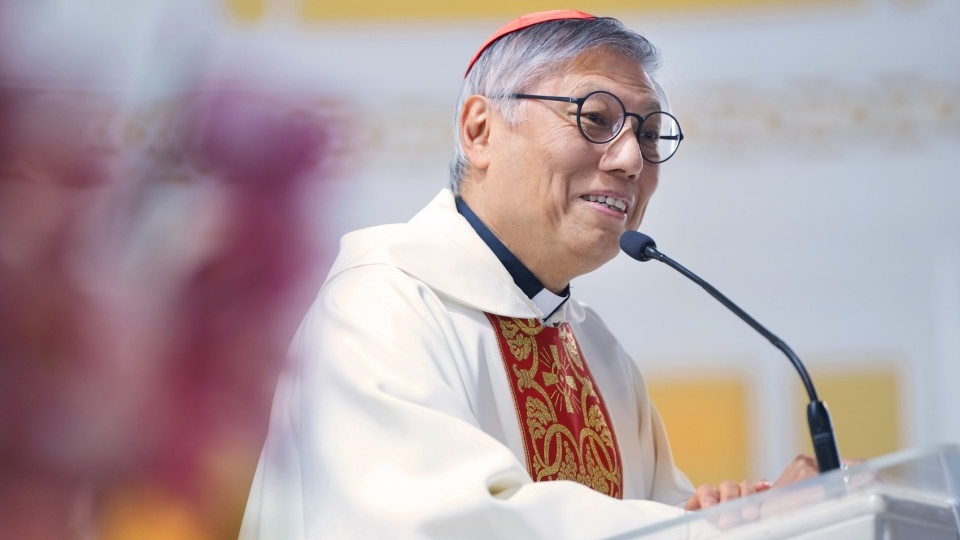
Photo courtesy of Joseph Lam @josephlam.photography

2026年4月2日,天主教香港教區發布該教區主教周守仁樞機在今年的復活節文告中,指出復活節激勵我們不要放棄希望。他強調無論世界會變得怎樣,請不要讓自己或我們的年輕一代向絕望屈服,更不要讓他們選擇報復性的仇恨與暴力。要堅信愛的力量,它是希望的根基。

圖片提供:天主教香港教區

2026年復活節文告
天主教香港教區主教周守仁樞機

因為我們的逾越節羔羊基督,已被祭殺作了犧牲。所以我們過節,不可用舊酵母,也不可用奸詐和邪惡的酵母,而祇可用純潔和真誠的無酵餅。(哥林多前書 5:7b-8)

各位香港市民和居民,當我撰寫這篇復活節文告時,中東的戰爭和衝突,有可能會蔓延至世界其他地方,實在讓我們無法樂觀地預期衝突將快結束。

說實話,我不知道復活節當日我們的世界會變得怎樣。侵略者發動了極度破壞性的襲擊行動,受襲一方也生起了惱怒的仇恨,他們要拉世界到甚麼境地?但願不是走向核災難或活地獄。讓我們誠心祈求上主的救援。

然而,我們作為世界公民,既不能夠、也不應該坐以待斃,等待著這些嚇人的可能性變成事實。否則,我們也要為這災難性的後果負起責任、即使責任是怎樣微小的。因為每個人——無論是積極或消極、有意還是無意——都在身處的團體、社會、國家,以至鄰近地區,構成人類集體意識的一部份。因此,假如我們多數人對鄰居抱持負面態度並採取相應行動,這連鎖效應又將如何影響我們居住的地區、甚至全世界呢?

換句話說,我們能做甚麼來緩解自身社群內的緊張局面,進而影響全球的氛圍呢?我想,在這個充滿敵意的世界裡,我們幾乎都會認為自己只是微不足道的小角色,影響力微乎其微。面對巨大邪惡時,我們又能做甚麼呢?令人遺憾的是,我們大多數人可能感到極其無助,以致選擇不採取任何建設性的行動,而只是詛咒這片黑暗。

但感謝天主,我們還有復活節!主耶穌的復活意味著,良善、真理與愛最終會勝過邪惡。生命的芬芳最終會驅散死亡的惡臭。關鍵在於,我們要堅信生命與良善所帶來的總體益處,會勝過死亡與邪惡所造成的傷害。

相信生命與美善,意味著要同時在頭腦和心靈上擁抱它們,並透過行動實踐出來。若我們希望這世界有一個新開始,就必須遠離「奸詐與邪惡」的舊酵母。我認為,舊酵母也包括那任由絕望吞噬自己,又或是成為那嘲諷、仇恨與破壞性批評的民兵。我們必須遏止仇恨與暴力蔓延,特別是透過社交媒體的傳播,無論它們表面上看似多吸引。

要重申,暴力只會帶來暴力,絕不會帶來和平。人們要自問:當今世上,既然還有其他和平或破壞力較小的方法可用,或是我們尚未竭盡一切可能。那麼,是否還存在「正義戰爭」這回事?香港的情況又怎樣?根據「香港大學香港賽馬會防止自殺研究中心」的資料顯示,對比2023年,在2024年15至24歲年齡組別的自殺個案仍然高企,年輕成年男性的自殺個案則有所上升。可幸其他年齡組別的個案,在2024年有所下降。最新的數據亦預計2025年15至24歲年齡組別的自殺個案沒有增加。這可能源於社會意識有所提升,社會支援有所增加等因素。事實上,復活節激勵我們不要放棄希望,也不要向絕望屈服。這為我們年輕一代尤其重要。

當一切看似黑暗並且迷失時,要堅信光明就在不遠處。我們只需起步前行,並邀請夥伴與我們同行。天主是生命與愛,祂深愛我們每一個人、尤其是青年,祂絕不會拋棄我們。天使正透過大家身邊的善心人,向我們伸出援手,即使我們當下無法認出他們來。要知道,除非我們甘於就範,惡魔是無法吞噬我們的。每當我們投靠復活的主,祂那賦予生命的力量必能保護我們。

我在這裡籲請各家長與各學校,要保護我們的孩子,不要讓他們消耗生命,墮入讓人盲目的競爭文化當中——雖然有少數學生能夠適應這種文化。若我們不再執意讓孩子與同儕比較,而是讓他們與自己比較,從中得益更大。這需要由家長開始,因為他們的焦慮大多源於自己與其他家長比較,又或把孩子與別的孩子比較,擔心自己的孩子競爭力變得弱 。

透過「自我比較」去達致個人成長,能夠為青年提供更多的喘息機會與成長空間,也讓他們發掘自身的天賦與才能。這些改變所產生的連鎖效應,有助改變現有的壓抑文化,為兒童和青年帶來新鮮空氣,讓他們在希望中茁壯成長。我們要擺脫以下這種憂慮:青年可能因為在許多學校裡極高要求的校園文化,而訴諸自我傷害。自然流失的法則不應套用在我們的學生身上,為教育界更是不應該。每一個生命都具有尊嚴與價值,這都是超越成就的。

我籲請政府領導人減少使用「關鍵績效指標」(KPI),讓教育工作者有更多時間與空間,更好地陪伴學生。單靠增加經費來聘請額外的文職及專業服務,不能實質地減輕教育工作者的負擔。不斷追求「增值」,只會令人筋疲力盡和分心。

「關鍵績效指標」沒有強調好些重要的價值,這些價值卻對青年的健康發展非常重要。例如,他們的心理—靈性健康,以及他們對自身能塑造理想未來的信念。我們都希望在學生身上見證到復活的喜悅,而不是恒常的痛苦與絕望。

關鍵績效指標之外,我籲請政府及社會領袖,為違反了法律的青年提供重新開始的機會。這有助他們對社會重拾亟其需要的希望與信心。擱置了幾年的調查工作對他們仍然帶來風險,因此影響著他們的精神健康。犯罪紀錄、即使是相對輕微的、也削弱及阻礙他們發展事業。難道我們不能制訂一些法律條文,幫助那些犯下輕微罪行而又服完刑期的人繼續追求他們的專業嗎?我們可以幫助他們重拾對社會的信心,並重建對美好將來的希望。再一次說,復活的喜樂與希望對他們來說,不應是難以得到的奢侈品。

這復活節文告行將作結,我們可無從預知當大家讀到或得悉這文告時,世界會變得怎樣,但請不要讓自己或我們的年輕一代向絕望屈服,更不要讓他們選擇報復性的仇恨與暴力。要堅信愛的力量,它是希望的根基。

我們的主復活了!祝大家有一個充滿希望的復活節。

+周守仁樞機

Easter Message 2026
His Eminence Stephen Cardinal Chow
Bishop of Hong Kong

For our paschal lamb, Christ, has been sacrificed. Therefore, let us celebrate the feast, not with the old yeast, the yeast of malice and wickedness, but with the unleavened bread of sincerity and truth. (1 Corinthians 5:7b-8) To all the fellow residents and dwellers of Hong Kong, as I write this Easter Message, the wars and conflicts in the Middle East, with the possibility of spillover to other parts of the world, do not allow us to be optimistic of the conflicts ending soon.

Honestly, I do not know what our world will be like on Easter Sunday. Given the devastating acts of the aggressors and the maddening hate of the one being attacked, to where are they dragging the rest of the world? Not towards a nuclear disaster or a living hell, we hope. Let us earnestly pray for God’s deliverance.

Yet, as fellow global citizens, we cannot and should not wait helplessly for these horrific possibilities to become reality. If not, we could be counted among those partly responsible for the disastrous outcome, even if only for a very small part of it. For everyone contributes, positively or negatively, knowingly or unknowingly, to the human consciousness in his or her communities, society, country, or even neighbouring regions. Hence, if many of us feel and act negatively towards our neighbours, how would the chain effects affect the region or even the world in which we reside?

In other words, what can we do to ease the tension in our own communities, which will eventually affect the global sentiment? I think almost all of us would consider ourselves insignificant players with negligible impact in this overwhelmingly hostile world. What good can we do when we are facing immense evil? The sad part is that most of us may feel so helpless that we choose to do nothing constructive but curse the darkness.

But thank God that there is Easter! The Resurrection of the Lord Jesus means that goodness, truth and love will ultimately overcome evil. The fragrance of life will eventually dispel the stench of death. What is pivotal is our conviction in the summative benefits of life and goodness over the extent of damage incurred by death and evil. Believing in life and goodness means embodying it not only in the head but also in the heart and through one’s actions. If we want our world to enjoy a new beginning, we need to stay away from the old yeast of “malice and wickedness.” And I would include the old yeast of allowing ourselves to be consumed by hopelessness, or joining the militia of cynical, hateful and destructive criticism. Therefore, we need to halt the spreading of hate and violence, through social media in particular, no matter how desirable it might appear to be.

Again, violence begets violence, never peace. One should wonder whether there can be just wars nowadays when other peaceful or less destructive means are available, or whether just have not yet been exhausted.

How about Hong Kong? According to The Hong Kong Jockey Club Centre for Suicide Research and Prevention at HKU, in 2024, suicide cases among the 15 to 24 age group, and among young adult males, remained just as high and rising respectively when compared with 2023. But the cases for the rest of Hong Kong decreased in 2024. Recent updates also indicate no increase in suicide cases in these age groups in 2025. This may be due to, but is not confined to, improved awareness and social support in our society. Indeed, Easter exhorts us not to give up hope or succumb to hopelessness. And this is particularly important for our younger generations.

When all seems dark and lost, have faith that light is not far away. We only need to get up and walk, and invite our peers to walk with us. The God of Life and Love, who loves everyone of us, especially our young people, will never forsake us. Angels are reaching out through the good people around us, though we might not recognise them readily. Please know that demons cannot consume us unless we allow them to do so. The life-giving power of the Lord of Easter can protect us whenever we take shelter in him.

Allow me to call on parents and schools to protect our children by not allowing them to go under the life-sapping and blindingly competitive culture, although a relatively small number of students may thrive in it. It will be more helpful if our children and young people are not intently compared with each other but with their own selves. This will need to start with our parents, whose anxiety largely stems from comparing themselves with other parents or comparing their children with the children of other parents, worrying that their children would become less competitive.

Emphasising personal betterment through self-comparison will provide our young people more room to breathe and space to grow, while discovering their own gifts and talents. Chain effects from such changes will help transform the existing suffocating culture, bringing fresh air for our children and young people to thrive with hope. Let us be free from the worry that our young people may resort to self-harming measures due to the highly demanding culture of schooling in many schools. The law of natural attrition should not be applied to our students, certainly not in education. Every life has its own dignity and value that rise well beyond achievements.

And I call on our leaders in the government to reduce the use of “Key Performance Indicator” (KPI) so as to allow our educators more time and space to better accompany their students. An increase in funding to recruit extra clerical and professional services alone cannot meaningfully ease the burden on our educators. Continuing demands for “value-addedness” are simply exhausting and distracting.

There are important values which are not emphasised with KPIs but are crucial for the healthy development of our young people. For example, their psycho-spiritual well-being and conviction in their ability to shape their own desirable future. I believe we all want to witness the joy of Easter among our students, not constant suffering and hopelessness.

Besides KPIs, I call on our government and civic leaders to give our young people who have been in trouble with the law a second chance to start anew. This will allow them to have the much-needed hope and faith in our society. Investigations put aside in the past couple of years remain threatening to them, which in turn, has taken its toll on their mental health. Criminal records, even relatively minor ones, are crippling barriers to their career pursuits. Can we not identify some legal provisions to help those whose crimes are minor and who have served their sentences to continue pursuing their careers? We can help them regain faith in society and reconstruct hope for their desirable future. Again, Easter joy and hope should not be an unattainable luxury for them.

Before I finish this Easter Message, not knowing what our world will be like when we read or hear about it, please do not let ourselves or our young ones succumb to hopelessness, or worse still, resort to vengeful hate and violence. Have faith in the power of love that should form the basis of hope.

Our Lord is risen indeed! A hope-filled Easter to you all!

+ Stephen Cardinal Chow, S.J.

來源:天主教香港教區;香港天主教社會傳播處
香港教區主教周守仁樞機2025年將臨期牧函

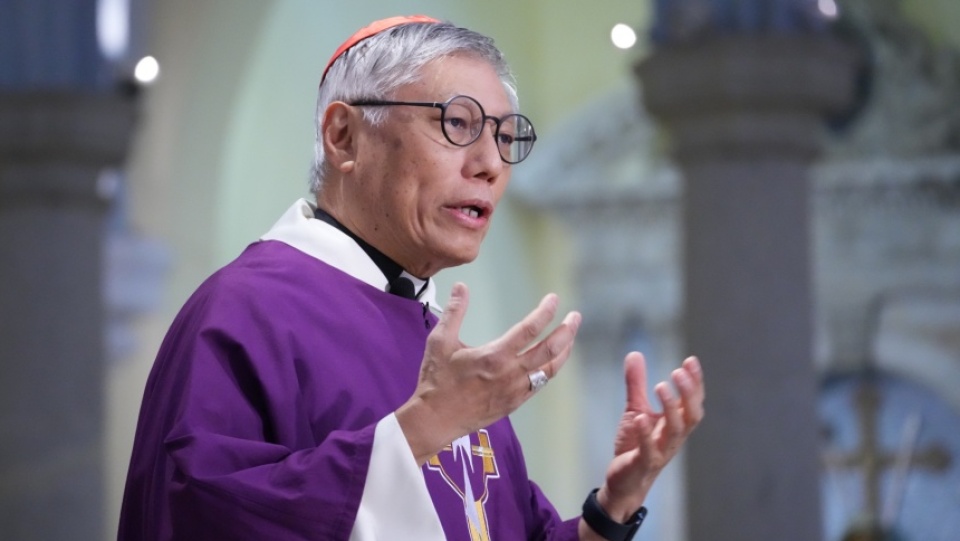
圖片拍攝:@josephlam.photography

二零二五年將臨期牧函

「來!我們攀登上主的聖山,往雅各伯天主的殿裏去!他必指示我們他的道路,教給我們循行他的途徑。」(依撒意亞2:3)

親愛的姊妹弟兄:

以望德為主題的禧年即將結束。但結束的不是望德。希望是將臨期的精神本質,在這節期,我們預備自己去慶祝默西亞的第一次來臨,並期盼祂的再來。若沒有希望,我們為何要攀登上主的聖山,往天主的殿裡去?我們為何要接受天主的指示,走在祂的道路?

我們基督徒的盼望不是建基於俗世所提供的短暫承諾。這些承諾並不來自天主,無法長久,更無法超越此生。將臨期再次提醒我們,盼望在於天主,祂的承諾永世長存。無疑,有些痛苦是因為我們把希望寄託於錯誤的地方。

希望的傳承者

在禧年即將結束之際,我們教區也開始慶祝成立80周年。我們將於今年12月8日舉行序幕典禮,慶祝活動將貫通2026年。80周年慶典的主題是「希望的傳承者」,因著天主在我們內的愛,我們既是希望的接收者,也同樣蒙召成為希望的媒介。在這個理想淡去的世界裡,讓我們一起成為希望的朝聖者。為著目前以至未來的世代,我們就是希望的傳承者。

發展中的共議同行教會

許多人問我們如何在教區內推展共議同行。事實上,我們自2021年起便開始為共議同行打下基礎,與2023年和2024年的兩次世界主教代表會議一起發展。根據主教代表會議的工作文件,共議同行是有關天主子民的「共融、參與、使命」,對教會這個團體,有著真正的歸屬感和問責,以邁向合一。也因此我們更有動力去分辨和落實由天主交託給我們的使命。

從世界主教代表會議的工作文件和最終文件中,我們可以看到,共議性的教會其基礎在於天主子民一起去聆聽和分辨。近年來,「聖神內交談」這方法已展現出它可靠的潛力,讓平信徒、修道人和聖職人員為共同目標一起祈禱,彼此尊重地認真聆聽,並透過大家的共識(共滙點)和差異(分歧點)去共同分辨。張力不一定會帶來破壞,反而可激發創意,促使各方與張力共處,並在適當的時候深入探討,以求達成嶄新而共同的理解。

我愈多體驗這種交談和分辨方式,就愈欣賞到它能夠是第一個將我們凝聚一起的教會靈修方式。不論我們的角色、地位、職務和靈修背景, 我們都共享同一的靈性語言和進行方式。多令人振奮!

我們會在2026年協助各堂區和工作小組學習這方法。2027年,我們計劃召開教區大會(diocesan assembly),而作為發展中的共議同行教會,在大會中我們會運用「聖神內交談」這方法去分辨牧民計劃。我們會陸續公佈詳情,請大家祈禱和一起參與。

可以預期的是,共議同行的前設是要有文化轉變,而這轉變又跟心靈皈依密不可分。因為共議同行不是民主體制,而是共同分辨達致共識的過程。此外,它並不要求教會放棄聖統制,因為聖統制對於天主教會的共議同行仍然是必須的。

英語和普通話牧民職務

為了更好地應對人口結構的變化,並認真履行我們作為共議性的教會的召叫,我們設立了兩個團隊,分別負責為英語和普通話的團體提供牧民服務,切合他們各自的牧民需要。

「搭建橋樑」是我們教區的一項重要使命,我們應該明白到所鍾愛的香港作為國際城市的意義,並留意到本地有愈來愈多說英語的人士— 無論是出於個人意願還是因著生活需要而來港。我們不能忽視教宗方濟各在2023年的呼籲:「擴展我們的帳篷,向外延伸。」對我們而言,香港也有著愈來愈多說普通話的移民和學生。他們是我們的姊妹兄弟,也是善牧派來我們當中的、有機會成教會的一員。

為我們的青年與長者注入力量

有令人鼓舞的跡象顯示,在一些堂區,青年的參與有所提升。但我們希望能更好地讓他們融入教會。要讓青年有意義地參與教會生活,讓他們在所屬團體參與決策過程,特別是在自己的堂區。他們要知道團體重視他們的付出和意見,那不僅是請他們付出勞力。青年是我們發展共議同行時不可或缺的夥伴。

我們也要特別關注對長者的照顧。許多長者為疾病所困擾、感到孤獨和被遺棄。事實上,他們是瑰寶,讓我們連結那屬於我們的歷史和文化遺產。這對需要了解先賢歷史和傳統的青年尤其重要,他們可從中多欣賞自己的身份和文化資產。希望這能夠讓青年既與長者建立更好聯繫的同時, 又讓他們懷著信心走向未來。

與貧窮人、無聲者及受造界同行

教宗良十四世在他首份宗座勸諭《我愛了你》(Dilexi Te)熱誠地指出,貧窮人和邊緣群體不是我們憐憫的對象,反而是我們自身不可分割的一部分。我們可以向他們學習,從而豐富我們自身的貧窮(參 #100)。因為我們的教會始終是為貧窮人、也屬於貧窮人的教會(參第三章)。作為希望的傳承者,我們必須接納貧窮人和邊緣群體,不讓他們被遺忘或受歧視。他們在各自的堂區以至在香港的教會中,同樣擁有正式的位置。

最後,我們與地球上的其他生命體一樣,都是天主創造的整體成員之一。因此,我們實是與眾生共享同一家園,這意味著我們的福祉和困苦與眾生的息息相關。為了成為受造界負責任的管家,我們需要在各自的團體中研讀《願祢受讚頌》通諭,並實踐生態皈依。

例如,我們應該從自覺地在家居、堂區、辦公室和各中心等地方,開始減少使用膠樽和膠容器等塑膠製品。微膠粒污染環境,破壞食物鏈,這必然會損害我們的健康。難道我們要把這些留給我們的共同家園和子孫後代嗎?

教宗方濟各在他最後一道有關耶穌聖心之愛的通諭中,亦支持上述的建議,當中方濟各描述耶穌的愛如同從他被刺穿的心中流淌而出的水和血。「因為當酣飲此愛時,我們就有能力與他人締結兄弟情誼、承認每個人都具有人性尊嚴,並同心協力關懷我們的共同家園。」(《祂愛了我們》通諭,第217號)。

我的姊妹、兄弟和朋友們,我們蒙召成為希望的傳承者,這並非為了我們自己,而是為了彼此,特別是那些仍在掙扎的人,為他們來說希望已變得渺茫。我們的世界,需要天主子民為這些掙扎中的人去展示出愛與希望是真實的,如果他們願意擁抱愛與希望,並重拾來自天主的修復力,那麼創傷便能得治癒。

祝大家有一個蒙受祝福並且滿載希望的將臨期!

周守仁樞機
香港教區主教

Advent pastoral letter 2025

“Come, let us climb the Lord’s mountain, to the house of the God of Jacob, that he may instruct us in his ways, and we may walk in his paths.” (Isaiah 2:3)

Dear Sisters and Brothers,

The Jubilee Year of Hope is coming to an end. But not hope in itself. Hope is the essence of the Advent Season, when we prepare ourselves to celebrate the first coming and anticipate the second coming of our Messiah. For without hope, why would we climb the Lord’s mountain to the house of God? Why would we want to receive instructions from God to walk in God’s path?

Our Christian hope does not count on the transient promises offered by the secular world. These promises, not coming from God, cannot last and certainly not beyond this lifetime. The Advent Season reminds us once again that our hope is in God, whose promise lasts forever. Some suffering is, indeed, the result of our misplaced hope.

Messengers of Hope

While the Jubilee Year draws to a close, our diocese is starting to celebrate the 80th anniversary of its establishment. We will hold the inaugural celebration on December 8 this year, with celebrations spanning through 2026. And the theme for the anniversary year is “Messengers of Hope,” for we are all recipients as well as called to be agents of hope, well-supported by the love of God within us. Together, we are pilgrims of hope in this disillusioned world. And we are messengers of hope for both the present and future generations.

A Developing Synodal Church

Many have asked how we are going to develop synodality within the diocese. Actually, we have started laying the foundation for synodality since 2021, alongside the two assemblies of the Synod of Bishops for Synodality held in 2023 and 2024.

Synodality, as defined by the working documents of the Synod, is about “Communion, Participation, Mission” of the People of God, coming into unity with a real sense of belonging and accountability to this community, which we call the Church. With that, we are energised to participate in the discernment and implementation of our missions given by God.

Learning from the working documents and the Final Document of the Synod for Synodality, we can see that the basics of a synodal Church are to listen and discern together as the People of God. The methodology of “The Conversation in the Spirit” has demonstrated, in recent years, its reliable potential for laypeople, religious, and clergy alike to pray together for a common purpose, listen attentively to each other with respect, and discern together through their consensus (convergences) and differences (divergences). Tensions need not be destructive but can be creative, calling the parties involved to live with them and to go deeper for a new, unifying understanding at an appropriate time.

The more I have experienced this conversational and discerning method, the more I have come to appreciate that it can be the first ecclesial spirituality that brings us together. We will share a unifying spiritual language and way of proceeding, regardless of our roles, status, ministries, and spiritual backgrounds. This is exciting!

We will help parishes and work units learn this method in 2026. In 2027, we plan to hold a diocesan assembly using this method to discern our pastoral plan as a developing synodal Church. More details will be provided along the way for your prayers and participation.

One can imagine that synodality presupposes cultural changes, which in turn are integrally associated with the conversion of the heart. For synodality is not a democracy, but rather a process of discernment in common for consensus. Also, it does not require the Church to dismiss the hierarchy, because hierarchy remains essential for the synodality of the Catholic Church.

English and Putonghua Pastoral Ministries

In order to better respond to the changing demographics and to take seriously our vocation as a synodal Church, we are setting up two separate teams with mandates to provide pastoral services to the English-speaking and Putonghua-speaking communities, respectively, addressing their specific pastoral needs.

Recalling that an important mission of our Diocese is “bridging,” we should recognise the international significance of our beloved Hong Kong and the growing number of English-speaking locals, either by preference or by necessity. Neither can we ignore Pope Francis’ call “to enlarge our tent and to reach out” in 2023, which for us is the increasing number of Putonghua-speaking migrants and students in Hong Kong. They are our sisters, brothers, and potential members sent to us by our Good Shepherd.

Empowering our Youth and Elderly

While there are encouraging signs of increased participation from young people at some parishes, we want to better integrate them into our Church. It is advisable to involve the youth in meaningful ways, in the decision-making processes of where they belong, especially in their own parishes. They need to know that their communities value their inputs and insights, not only for their physical strength. They are our indispensable partners for the synodal development.

We should also pay special attention to the care of our elderly, many of whom are struggling with sickness, loneliness and feelings of abandonment. In fact, they are our treasures connecting us to our history and cultural heritage. This is particularly important for our young people who need to understand their ancestral history and heritage, so to better appreciate their identity and the assets that they have. Hopefully, this will help them strive with confidence into the future, while staying better connected with the elderly here and now.

Walking with the Poor, Voiceless, and the Creation Pope Leo XIV passionately points out in his first Apostolic Exhortation Dilexi Te, that the poor and the marginalised are not objects of our mercy, but very much part of who we are. We can learn from them so to enrich our own poverty (c.f. #100). That our Church is always a Church for the poor and of the poor (c.f. Chapter 3). As messengers of hope, we must include the poor and the marginalised, not allowing them to become forgotten or discriminated against. They also have a legitimate place in their own parishes and the Church in Hong Kong.

Finally, we are all integral members of God’s creation together with other life forms on Earth. Hence, we share our common home with them, meaning our welfare and suffering are woven with theirs. In order to be responsible stewards of the Creation, we need to study Laudato Si’ in our respective communities and work on our ecological conversion.

It should be advisable for us, for example, to start with a willful reduction of plastic consumption, such as plastic bottles and containers, at our homes, parishes, offices and centres, etc. Plastic particles contaminate our environment, pollute the food chains, and inevitably damage our health. Is this what we want for our common home and the future of our children?

The aforementioned mandates are well supported by Pope Francis in his final encyclical on the love of the Sacred Heart of Jesus, describing how Jesus’ love is like water and blood flowing out from his pierced heart. “For it is by drinking of the same love that we become capable of forging bonds of fraternity, of recognising the dignity of each human being, and of working together to care for our common home (Delixit Nos, no. 217).

My sisters, brothers, and friends, we are called to be messengers of hope, not really for ourselves but for one another, especially those who are struggling so much that hope becomes impossible to them. Our world needs the People of God to show them that love and hope are real, which will heal their wounds if they also embrace them, and reconcile with their reparatory power that comes from God.

May you all be blessed with a Hope-filled Advent Season!

+ Stephen Cardinal Chow, S.J.

來源:天主教香港教區

Secured By miniOrange