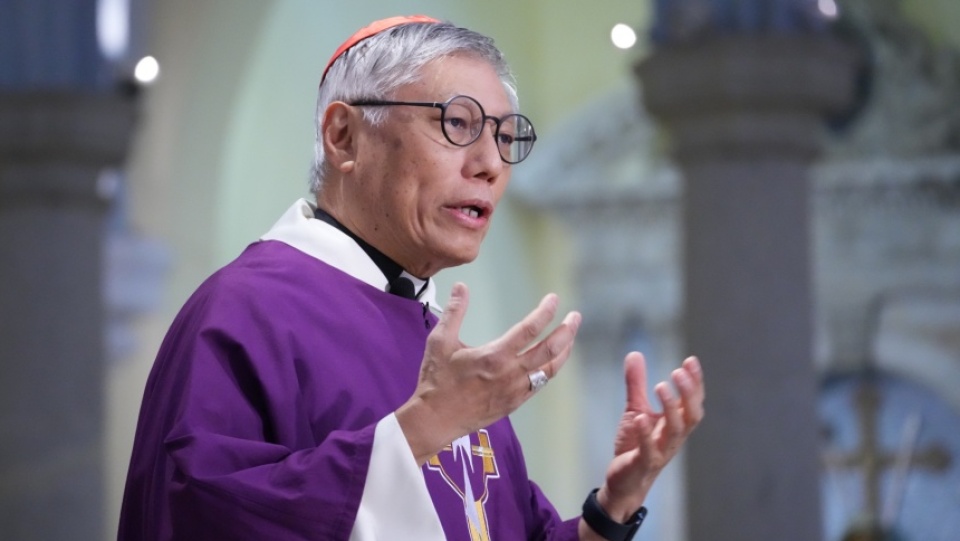
香港教區主教周守仁樞機2025年將臨期牧函

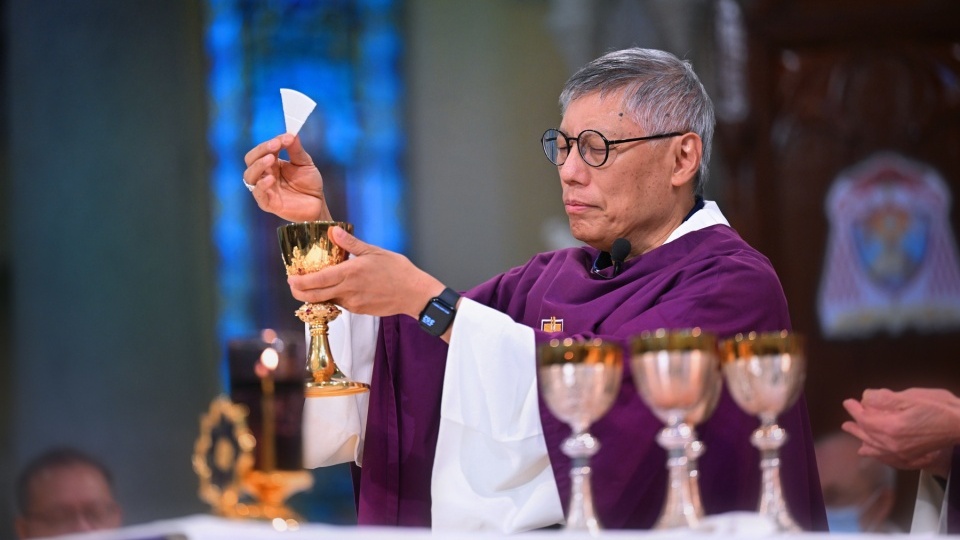
圖片拍攝:@josephlam.photography

二零二五年將臨期牧函

「來!我們攀登上主的聖山,往雅各伯天主的殿裏去!他必指示我們他的道路,教給我們循行他的途徑。」(依撒意亞2:3)

親愛的姊妹弟兄:

以望德為主題的禧年即將結束。但結束的不是望德。希望是將臨期的精神本質,在這節期,我們預備自己去慶祝默西亞的第一次來臨,並期盼祂的再來。若沒有希望,我們為何要攀登上主的聖山,往天主的殿裡去?我們為何要接受天主的指示,走在祂的道路?

我們基督徒的盼望不是建基於俗世所提供的短暫承諾。這些承諾並不來自天主,無法長久,更無法超越此生。將臨期再次提醒我們,盼望在於天主,祂的承諾永世長存。無疑,有些痛苦是因為我們把希望寄託於錯誤的地方。

希望的傳承者

在禧年即將結束之際,我們教區也開始慶祝成立80周年。我們將於今年12月8日舉行序幕典禮,慶祝活動將貫通2026年。80周年慶典的主題是「希望的傳承者」,因著天主在我們內的愛,我們既是希望的接收者,也同樣蒙召成為希望的媒介。在這個理想淡去的世界裡,讓我們一起成為希望的朝聖者。為著目前以至未來的世代,我們就是希望的傳承者。

發展中的共議同行教會

許多人問我們如何在教區內推展共議同行。事實上,我們自2021年起便開始為共議同行打下基礎,與2023年和2024年的兩次世界主教代表會議一起發展。根據主教代表會議的工作文件,共議同行是有關天主子民的「共融、參與、使命」,對教會這個團體,有著真正的歸屬感和問責,以邁向合一。也因此我們更有動力去分辨和落實由天主交託給我們的使命。

從世界主教代表會議的工作文件和最終文件中,我們可以看到,共議性的教會其基礎在於天主子民一起去聆聽和分辨。近年來,「聖神內交談」這方法已展現出它可靠的潛力,讓平信徒、修道人和聖職人員為共同目標一起祈禱,彼此尊重地認真聆聽,並透過大家的共識(共滙點)和差異(分歧點)去共同分辨。張力不一定會帶來破壞,反而可激發創意,促使各方與張力共處,並在適當的時候深入探討,以求達成嶄新而共同的理解。

我愈多體驗這種交談和分辨方式,就愈欣賞到它能夠是第一個將我們凝聚一起的教會靈修方式。不論我們的角色、地位、職務和靈修背景, 我們都共享同一的靈性語言和進行方式。多令人振奮!

我們會在2026年協助各堂區和工作小組學習這方法。2027年,我們計劃召開教區大會(diocesan assembly),而作為發展中的共議同行教會,在大會中我們會運用「聖神內交談」這方法去分辨牧民計劃。我們會陸續公佈詳情,請大家祈禱和一起參與。

可以預期的是,共議同行的前設是要有文化轉變,而這轉變又跟心靈皈依密不可分。因為共議同行不是民主體制,而是共同分辨達致共識的過程。此外,它並不要求教會放棄聖統制,因為聖統制對於天主教會的共議同行仍然是必須的。

英語和普通話牧民職務

為了更好地應對人口結構的變化,並認真履行我們作為共議性的教會的召叫,我們設立了兩個團隊,分別負責為英語和普通話的團體提供牧民服務,切合他們各自的牧民需要。

「搭建橋樑」是我們教區的一項重要使命,我們應該明白到所鍾愛的香港作為國際城市的意義,並留意到本地有愈來愈多說英語的人士— 無論是出於個人意願還是因著生活需要而來港。我們不能忽視教宗方濟各在2023年的呼籲:「擴展我們的帳篷,向外延伸。」對我們而言,香港也有著愈來愈多說普通話的移民和學生。他們是我們的姊妹兄弟,也是善牧派來我們當中的、有機會成教會的一員。

為我們的青年與長者注入力量

有令人鼓舞的跡象顯示,在一些堂區,青年的參與有所提升。但我們希望能更好地讓他們融入教會。要讓青年有意義地參與教會生活,讓他們在所屬團體參與決策過程,特別是在自己的堂區。他們要知道團體重視他們的付出和意見,那不僅是請他們付出勞力。青年是我們發展共議同行時不可或缺的夥伴。

我們也要特別關注對長者的照顧。許多長者為疾病所困擾、感到孤獨和被遺棄。事實上,他們是瑰寶,讓我們連結那屬於我們的歷史和文化遺產。這對需要了解先賢歷史和傳統的青年尤其重要,他們可從中多欣賞自己的身份和文化資產。希望這能夠讓青年既與長者建立更好聯繫的同時, 又讓他們懷著信心走向未來。

與貧窮人、無聲者及受造界同行

教宗良十四世在他首份宗座勸諭《我愛了你》(Dilexi Te)熱誠地指出,貧窮人和邊緣群體不是我們憐憫的對象,反而是我們自身不可分割的一部分。我們可以向他們學習,從而豐富我們自身的貧窮(參 #100)。因為我們的教會始終是為貧窮人、也屬於貧窮人的教會(參第三章)。作為希望的傳承者,我們必須接納貧窮人和邊緣群體,不讓他們被遺忘或受歧視。他們在各自的堂區以至在香港的教會中,同樣擁有正式的位置。

最後,我們與地球上的其他生命體一樣,都是天主創造的整體成員之一。因此,我們實是與眾生共享同一家園,這意味著我們的福祉和困苦與眾生的息息相關。為了成為受造界負責任的管家,我們需要在各自的團體中研讀《願祢受讚頌》通諭,並實踐生態皈依。

例如,我們應該從自覺地在家居、堂區、辦公室和各中心等地方,開始減少使用膠樽和膠容器等塑膠製品。微膠粒污染環境,破壞食物鏈,這必然會損害我們的健康。難道我們要把這些留給我們的共同家園和子孫後代嗎?

教宗方濟各在他最後一道有關耶穌聖心之愛的通諭中,亦支持上述的建議,當中方濟各描述耶穌的愛如同從他被刺穿的心中流淌而出的水和血。「因為當酣飲此愛時,我們就有能力與他人締結兄弟情誼、承認每個人都具有人性尊嚴,並同心協力關懷我們的共同家園。」(《祂愛了我們》通諭,第217號)。

我的姊妹、兄弟和朋友們,我們蒙召成為希望的傳承者,這並非為了我們自己,而是為了彼此,特別是那些仍在掙扎的人,為他們來說希望已變得渺茫。我們的世界,需要天主子民為這些掙扎中的人去展示出愛與希望是真實的,如果他們願意擁抱愛與希望,並重拾來自天主的修復力,那麼創傷便能得治癒。

祝大家有一個蒙受祝福並且滿載希望的將臨期!

周守仁樞機
香港教區主教

Advent pastoral letter 2025

“Come, let us climb the Lord’s mountain, to the house of the God of Jacob, that he may instruct us in his ways, and we may walk in his paths.” (Isaiah 2:3)

Dear Sisters and Brothers,

The Jubilee Year of Hope is coming to an end. But not hope in itself. Hope is the essence of the Advent Season, when we prepare ourselves to celebrate the first coming and anticipate the second coming of our Messiah. For without hope, why would we climb the Lord’s mountain to the house of God? Why would we want to receive instructions from God to walk in God’s path?

Our Christian hope does not count on the transient promises offered by the secular world. These promises, not coming from God, cannot last and certainly not beyond this lifetime. The Advent Season reminds us once again that our hope is in God, whose promise lasts forever. Some suffering is, indeed, the result of our misplaced hope.

Messengers of Hope

While the Jubilee Year draws to a close, our diocese is starting to celebrate the 80th anniversary of its establishment. We will hold the inaugural celebration on December 8 this year, with celebrations spanning through 2026. And the theme for the anniversary year is “Messengers of Hope,” for we are all recipients as well as called to be agents of hope, well-supported by the love of God within us. Together, we are pilgrims of hope in this disillusioned world. And we are messengers of hope for both the present and future generations.

A Developing Synodal Church

Many have asked how we are going to develop synodality within the diocese. Actually, we have started laying the foundation for synodality since 2021, alongside the two assemblies of the Synod of Bishops for Synodality held in 2023 and 2024.

Synodality, as defined by the working documents of the Synod, is about “Communion, Participation, Mission” of the People of God, coming into unity with a real sense of belonging and accountability to this community, which we call the Church. With that, we are energised to participate in the discernment and implementation of our missions given by God.

Learning from the working documents and the Final Document of the Synod for Synodality, we can see that the basics of a synodal Church are to listen and discern together as the People of God. The methodology of “The Conversation in the Spirit” has demonstrated, in recent years, its reliable potential for laypeople, religious, and clergy alike to pray together for a common purpose, listen attentively to each other with respect, and discern together through their consensus (convergences) and differences (divergences). Tensions need not be destructive but can be creative, calling the parties involved to live with them and to go deeper for a new, unifying understanding at an appropriate time.

The more I have experienced this conversational and discerning method, the more I have come to appreciate that it can be the first ecclesial spirituality that brings us together. We will share a unifying spiritual language and way of proceeding, regardless of our roles, status, ministries, and spiritual backgrounds. This is exciting!

We will help parishes and work units learn this method in 2026. In 2027, we plan to hold a diocesan assembly using this method to discern our pastoral plan as a developing synodal Church. More details will be provided along the way for your prayers and participation.

One can imagine that synodality presupposes cultural changes, which in turn are integrally associated with the conversion of the heart. For synodality is not a democracy, but rather a process of discernment in common for consensus. Also, it does not require the Church to dismiss the hierarchy, because hierarchy remains essential for the synodality of the Catholic Church.

English and Putonghua Pastoral Ministries

In order to better respond to the changing demographics and to take seriously our vocation as a synodal Church, we are setting up two separate teams with mandates to provide pastoral services to the English-speaking and Putonghua-speaking communities, respectively, addressing their specific pastoral needs.

Recalling that an important mission of our Diocese is “bridging,” we should recognise the international significance of our beloved Hong Kong and the growing number of English-speaking locals, either by preference or by necessity. Neither can we ignore Pope Francis’ call “to enlarge our tent and to reach out” in 2023, which for us is the increasing number of Putonghua-speaking migrants and students in Hong Kong. They are our sisters, brothers, and potential members sent to us by our Good Shepherd.

Empowering our Youth and Elderly

While there are encouraging signs of increased participation from young people at some parishes, we want to better integrate them into our Church. It is advisable to involve the youth in meaningful ways, in the decision-making processes of where they belong, especially in their own parishes. They need to know that their communities value their inputs and insights, not only for their physical strength. They are our indispensable partners for the synodal development.

We should also pay special attention to the care of our elderly, many of whom are struggling with sickness, loneliness and feelings of abandonment. In fact, they are our treasures connecting us to our history and cultural heritage. This is particularly important for our young people who need to understand their ancestral history and heritage, so to better appreciate their identity and the assets that they have. Hopefully, this will help them strive with confidence into the future, while staying better connected with the elderly here and now.

Walking with the Poor, Voiceless, and the Creation Pope Leo XIV passionately points out in his first Apostolic Exhortation Dilexi Te, that the poor and the marginalised are not objects of our mercy, but very much part of who we are. We can learn from them so to enrich our own poverty (c.f. #100). That our Church is always a Church for the poor and of the poor (c.f. Chapter 3). As messengers of hope, we must include the poor and the marginalised, not allowing them to become forgotten or discriminated against. They also have a legitimate place in their own parishes and the Church in Hong Kong.

Finally, we are all integral members of God’s creation together with other life forms on Earth. Hence, we share our common home with them, meaning our welfare and suffering are woven with theirs. In order to be responsible stewards of the Creation, we need to study Laudato Si’ in our respective communities and work on our ecological conversion.

It should be advisable for us, for example, to start with a willful reduction of plastic consumption, such as plastic bottles and containers, at our homes, parishes, offices and centres, etc. Plastic particles contaminate our environment, pollute the food chains, and inevitably damage our health. Is this what we want for our common home and the future of our children?

The aforementioned mandates are well supported by Pope Francis in his final encyclical on the love of the Sacred Heart of Jesus, describing how Jesus’ love is like water and blood flowing out from his pierced heart. “For it is by drinking of the same love that we become capable of forging bonds of fraternity, of recognising the dignity of each human being, and of working together to care for our common home (Delixit Nos, no. 217).

My sisters, brothers, and friends, we are called to be messengers of hope, not really for ourselves but for one another, especially those who are struggling so much that hope becomes impossible to them. Our world needs the People of God to show them that love and hope are real, which will heal their wounds if they also embrace them, and reconcile with their reparatory power that comes from God.

May you all be blessed with a Hope-filled Advent Season!

+ Stephen Cardinal Chow, S.J.

來源:天主教香港教區
周守仁樞機2024年將臨期牧函

Photo courtesy of Joseph Lam

「願主使你們彼此間的愛情,和對眾人的愛情增長滿溢,就像我們對你們所有的愛情,好堅固你們的心,使你們在我們的主耶穌同他的眾聖者來臨時,於天主我們的父前,在聖德上無可指摘。」(得撒洛尼前書3: 12-13)

親愛的主內姊妹兄弟及各位朋友:

世界主教代表會議第十六屆常務大會第二會期幾週前剛結束,接踵而來的是將臨期。教會作為天主子民,正在等待主教代表會議的主角——聖神——帶來一個新的黎明。我們也熱切期待著 2025 年禧年的開始,它的主題是「希望的朝聖者」,因為「望德不叫人蒙羞」(羅馬書 5:5)

教會是「天主的子民」,包含了教會內每一個人,這也是梵蒂岡第二屆大公會議《教會憲章》的主題。這種教會模式,是我們蒙召成為共議同行教會的基礎。因此,我們是合一的聖事,透過我們尊重多元和多樣性的合一而帶出天主的救恩之愛。

共議同行是教會的本質,也必須以傳教使命為導向。它涉及教會各層面的相聚,互相聆聽、交談和共同分辨。相聚的目的,是要在聖神的引導下達成共識,成為基督臨在我們中間的見證人。

領受了聖職人員和教友職務人員要互相分享並履行他們的權限和權力,承擔各自的責任。換言之,我們是根據信仰團體內不同的角色和職能共負責任。在基督奧體內,我們有來自多元的處境、肩負多樣的角色,而又蒙召在合一之中「共負使命」,以見證基督救恩的愛。這一切將會是賦予生命力的和諧,為當今世界是極其需要的。

因此,為在香港的教會來說,我們皈依的一個重要範疇就是各單位不論其功能和目標,都要學習在不同的工作計劃和使命上合作。

事實上,透過懷著尊重和同理心的聆聽,去轉化我們的內心,是成為共議同行的教會所必須的取向,接著就是共同分辦的決策過程和作出的決定。因此,來自堂區、信仰小團體、修會團體、各委員會、教會職務、工作單位等等的牧者和教友領袖,十分需要去學習和實踐上述過程。

團體分辨的要素包括事前的搜研和準備、祈禱和反思的時間、聆聽和追求公益的內在自由、專心和尊重地聆聽、尋求最大可能的共識和最低公約的共同點,以凝聚共識。

作為牧者和教友領袖,辨認堂區教友和團體成員的不同神恩,為互補神恩很有幫助,也因此為共議同行是有意義的。 「神貧的人是有福的」(瑪竇福音 5:3)鼓勵我們慷慨分享和謙虛接受。作決定時,牧者和教友領袖必須確保透明度和問責,並要為所作的決定進行適當的評估,包括決策過程和決定本身。

我們也蒙召要扎根於並支持所屬的地方教會,為教會的福祉作出貢獻。儘管如此,我們也要提醒自己,我們的終向是超越現世、在乎上主永恆的國度。這是「將臨期」的特別提醒,除了天主的愛和我們往後永恆的居所外,這世上的一切都會完結。

在今次「世界主教代表大會」第二會期的末段,我們的教宗頒布了新通諭《祂愛了我們》,內容是關於耶穌聖心對我們的愛。在這個時間頒布這通諭絕非偶然。正如教宗所說,在當今缺乏心靈的世界中,更新對耶穌聖心的敬禮尤其重要。因著耶穌聖心大愛的激勵下,我們得以共議同行的傳教門徒身份一起前行。

最後,2025 年禧年將於 2025 年 12 月 24 日展開。愛德之外,基於天主應許的望德也是當今世界很需要的價值。最重要的是,讓耶穌聖心的愛轉化我們的內心,好使我們能有效地推動在教會和世界內的轉化。

+周守仁樞機

香港教區主教
2024年將臨期

Advent Pastoral Letter 2024

“May the Lord make you increase and abound in love for one another and for all…, so as to strengthen your hearts, to be blameless in holiness before our God and Father at the coming of our Lord Jesus with all his holy ones. Amen.” (1 Thess 3:12-13)

Dear Sisters and Brothers in the Lord and Friends,

The Second Session of the XVI Ordinary General Assembly of the Synod of Bishops was over just a few weeks ago, and the Season of Advent is right around the corner. The Church, as the People of God, is awaiting a new dawn from the Holy Spirit, the protagonist of the Synod. With enthusiastic anticipation, we look forward to the beginning of the Ordinary Jubilee of the Year 2025 with the theme “Pilgrims of Hope” because “Hope does not disappoint” (Rom 5:5)

The Church as the “People of God,” which incorporates everyone in the Church, is a main theme in Lumen Gentium of the Second Vatican Council. This model of the Church is the foundation of what we are called to become — a synodal Church. As such, we are the Sacrament of Unity, bringing God’s salvific love through our unity while honouring diversity and plurality.

Synodality, which is the nature of being Church, must be mission-oriented. It involves gathering of all levels of the Church in mutual listening, dialogue, and communal discernment. The goal of the gathering is to reach a consensus guided by the Holy Spirit so as to be witnesses of the presence of Christ among us.

Ordained and lay ministers are to share and exercise powers and authority, and shoulder respective responsibilities, i.e., we are co-responsible according to our different roles and functions within the faith community. This is particularly so when we come from a plurality of contexts and diverse roles within the Body of Christ, called to practice the “Together for Mission” in unity so as to witness Christ’s salvific love. It will be a life-giving harmony that is much needed for the world today.

Hence, for the Church in Hong Kong, the different units should learn to collaborate in projects and missions regardless of their functions and goals. Indeed, this is an important aspect of our conversion.

Indeed, an essential approach to becoming a synodal Church is the conversion of our hearts through respectful and empathic listening, followed by communal discernment for decision-making and decision-taking. Hence, it is most desirable for pastors and lay leaders of parishes, small faith communities, religious communities, different commissions, ministries, work entities, etc., to start learning and working on this process.

Key elements for communal discernment include research and preparation, time for prayer and reflection, inner freedom to listen and pursue the common good, listening attentively and respectfully, searching for the widest possible consensus and lowest common denominator, and formulating consensus.

As pastors and pastoral leaders, recognising the different gifts in the parishioners and members of the community is most helpful for the exchange of gifts that are meaningful for synodality. “Blessed are the poor in spirit” (Matthew 5:3) encourages us to share generously and to receive humbly. When making decisions, pastors and lay leaders must ensure transparency and accountability and have appropriate evaluation for the decisions made, including their making and taking processes.

We are also called to take root firmly in where we belong and support our local Church, contributing to its well-being. Nonetheless, we should also remind ourselves that our destiny is the eternal Kingdom of God, which is beyond this world. Such is the special reminder of the Season of Advent, that everything in this world will come to an end, except for God’s love and our eternal abode.

Our Holy Father has recently issued a new encyclical, Dilexit Nos (He loved us), in the latter part of the Second Session of the Synod of Bishops, which is on the love of the Sacred Heart for us. Its issuance was by no means coincidental. As stated by the Holy Father, the renewal of the devotion of the Sacred Heart is of particular relevance in the present heartless world. We journey together as missionary disciples of synodality because of the immense love of the Sacred Heart motivating each one of us.

Finally, the Jubilee Year 2025 will commence on December 24, 2025. Besides love, hope based on the promise of God is also a much-needed value in our world today. Most of all, let the love of the Sacred Heart transform us from within so that we will become effective agents for the transformations in the Church and the world.

+ Stephen Cardinal Chow, S.J.

Advent 2024

來源:天主教香港教區

敞開心扉說「亮」話:將臨期第四主日

路加福音 1:26-38

那時候,天使加俾額爾奉天主差遣,往加里肋亞一座名叫納匝肋的城去,到一位童貞女那裡;她已與達味家族中,一個名叫若瑟的男子訂了婚;童貞女的名字叫瑪利亞。天使進去向瑪利亞說:「萬福!充滿恩寵者,上主與你同在!」 在女人中你是蒙祝福的。瑪利亞卻因這話驚惶不安,便思慮這樣的請安,有什麼意思。天使對她說:「瑪利亞,不要害怕,因為你在天主前,獲得了寵幸。看,你將懷孕生子,並要給他起名叫耶穌。他將是偉大的,並被稱為至高者的兒子;上主天主要把他祖先達味的御座賜給他。他要為王,統治雅各伯家,直到永遠;他的王權沒有終結。」瑪利亞便向天使說:「這事怎能成就?因為我不認識男人。」天使答覆她說:「聖神要臨於你,至高者的能力要庇蔭你,因此,那要誕生的聖者,將稱為天主的兒子。且看,你的親戚依撒伯爾,她雖在老年,仍懷了男胎,本月已六個月了;她原是素稱不生育的。因為,在天主前,是沒有不能的事。」瑪利亞說:「看!上主的婢女,願照你的話,成就於我吧!」天使便離開她去了。

將臨期第四主日
撰文:王新亮神父 (主徒會)

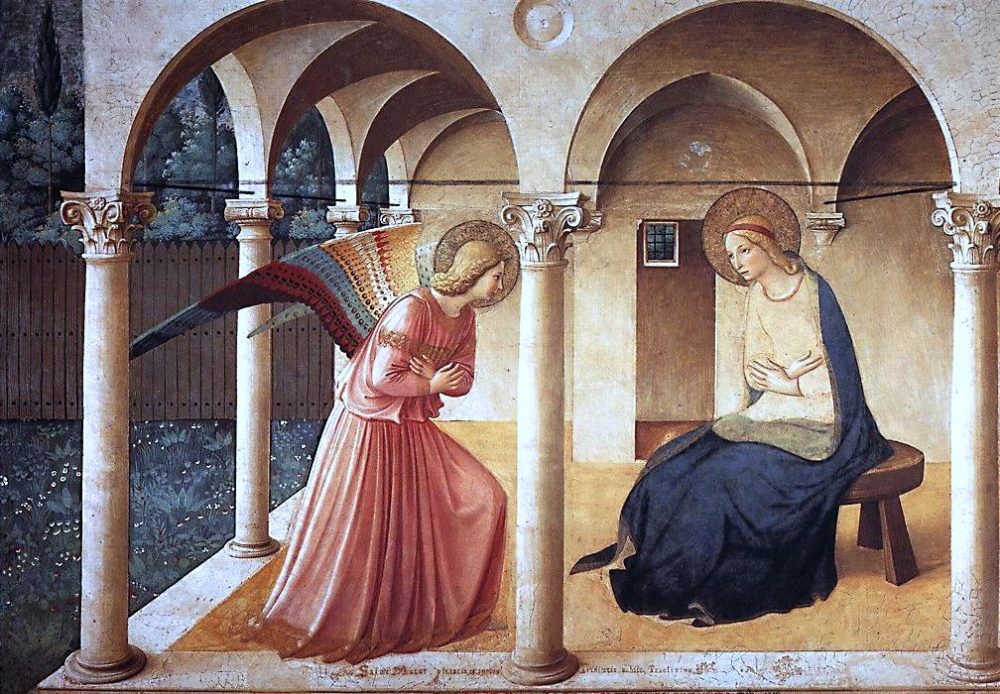
Annunciation (聖母領報) By Fra Angelico

對於今天這段聖母領報的福音,許多畫家以它為主題進行繪畫創作。這其中最著名的一幅就是15世紀真福安吉利科修士所畫的《聖母領報》,也叫《天使報喜》。在這幅畫裡,天使加卑厄爾有著一雙極其美麗的翅膀,身著粉色衣裳,她謙卑地將雙手交叉在胸前向瑪利亞俯身報告喜訊。當看到這副畫的時候,我有些疑問。我們知道聖母是偉大的,但是聖母畢竟是凡人,怎麼總領天使加卑厄爾居然向聖母俯身致敬呢?

直到我看到聖母德敘禱文中的一個對聖母的稱呼,我才明白為什麼連總領天使都要向聖母瑪利亞俯身致敬。聖母的這個稱呼就是「結約之櫃」。我們可能不明白什麼是結約之櫃?結約之櫃就是舊約中以色列人的約櫃。在今日的讀經一中,達味說要為上主的約櫃建造一座聖殿。為什麼呢?因為對以色列人來說,約櫃象徵著天主的臨在。約櫃裡面放著三樣東西,十誡的石板,一些天降的瑪納,和亞朗用過的發芽的手杖。十誡的石板是天主和梅瑟的約定,象徵天主聖父。天降的瑪納是基督聖體的預像,象徵天主聖子。 發芽的手杖,代表賦予生命的天主聖神。所以,我們看到約櫃對以色列人來說就是天主臨在的記號。

但是,隨著天使加卑厄爾的報喜,我們知道聖母瑪利亞成為了真實的約櫃。因為天主聖三真實居住在她內,天主聖子,也就是天主聖言更是臨在於聖母的母腹之中,所以這就是為什麼天使加卑厄爾見到聖母瑪利亞都要俯身致敬,因為她在聖母身上看到了天主真實的臨在。

但是聖母的偉大還遠遠不止於此。我們知道天主聖言是以不同的形式存在的。當我們把聖言寫下來的時候,聖言就存在於筆墨之中就是聖經。 當我們宣讀聖言時,聖言又存在聲音中。當我們默想聖言時,聖言又在我們的思想中。當一段音樂來自天主時,天主聖言又存在於音樂之中,這也就是為什麼聖樂會觸碰我們的內心。當聖言成了血肉,就是以人的形體存在,就是耶穌。當我們聽到聖言,而生活出來聖言時,聖言又在我們的行動中。所以,聖母瑪利亞的偉大,遠遠不僅在於耶穌基督因著她而成了血肉,降生成人,更是因為她將每一句聽到的天主聖言都生活了出來。

聖母不只是耶穌基督肉體上的母親,聖母瑪利亞更是讓她自己的靈魂,每一個思想、言語、行動,存在都產生聖言,所以這也就是為什麼天使稱呼聖母瑪利亞為充滿恩寵者。耶穌基督和聖母瑪利亞結合的是如此的緊密,這才是聖母最偉大的地方。

聖安博主教說:「你們這聽到、並相信主的人也是有福的,任何信主的靈魂,都懷孕並產生天主聖言。」如果我拿起來這張紙是天主的旨意,那麼天主聖言也在我的這個動作。如果我的講道是天主的旨意,天主聖言也在我的言語之中。 所以,這就是為什麼我們的身體是如此的重要,為什麼說我們的身體是聖神的宮殿,因為我們的每一個思言行為都反映出天主聖言。

對我們領洗的人來說,天主就是真實住在我們每一個人內。但問題是,我們願不願意將天主聖言活出來。 聖十字若望說,當我們聽到天主聖言而將聖言生活出來的時候,就像陽光穿透玻璃。當我們的罪越多,就像玻璃上有了污點,陽光就越不能穿透,而聖母瑪利亞的靈魂就像一塊無瑕透明的玻璃,所以以至於陽光透過的時候毫無阻攔,玻璃都似乎變成了陽光。

主內的兄弟姊妹們,這也就是為什麼我們要常辦告解,大部分聖人都是每週辦一次告解。因為我們是在不斷的清潔這塊玻璃,為了讓天主聖言能夠自由的穿透我們的心靈。當我們聽到天主聖言的時候,都能像聖母瑪利亞所說的:「看!上主的婢女,願照你的話,成就於我吧!」

結約之櫃, 為我等祈!

按此閱讀更多
《敞開心扉說「亮」話》反省文章

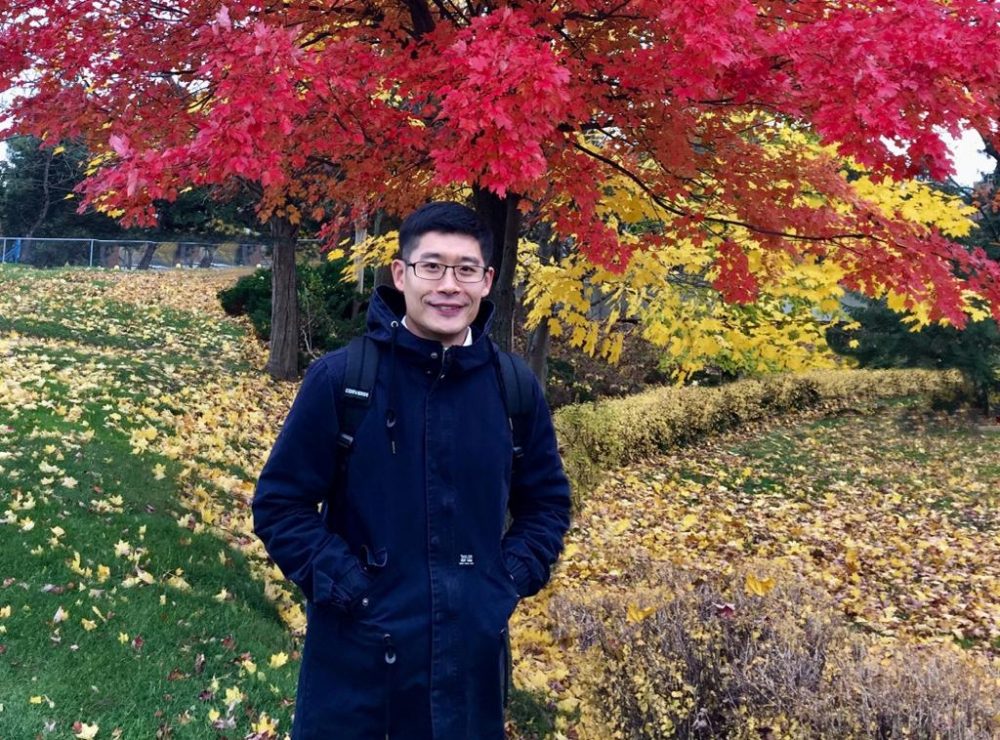
王新亮神父 (Fr. John Wang)簡介

王新亮神父於1990年10月2日,出生於天津市一教友家庭,並自幼領洗。2009年至2013年,在大學期間學習服裝設計與工程專業。直到2014年,王神父加入主徒會,並在2016年1月3日於新加坡宣發初願。其後,他2016年9月至2018年5月於多倫多St. Philip’s Seminary修讀讀哲學,2018年9月於多倫多總教區St. Augustine’s Seminary修讀神學。2021年12月27日,於天主教多倫多總教區聖曹桂英堂宣發永願。2023年5月13日,於聖彌額爾主教座堂大殿晉鐸,現擔任多倫多天主教聖曹桂英堂助理司鐸。

周守仁樞機2023年將臨期牧函:成為共議同行的天主子民

圖片:天主教香港教區

2023年將臨期牧函
成為共議同行的天主子民

「吾主上主的神臨到我身上,因為上主給我傅了油……宣布上主恩慈的喜年」。(依撒意亞先知書61:1a, 2a)

主內親愛的姊妹弟兄:

今年的將臨期來得稍晚一點,但由這個充滿期待和希望的節期經已來臨。感謝天主,我們總是有具體的理由抱持希望。我們作為教會和子民結伴同行時,可以心懷希望期待著厄馬奴耳的應許逐漸展現在我們面前。

我們要明白,教會不只是關乎聖統制。根據梵蒂岡第二次屆大公會議的教導,「天主子民」的概念包括了平信徒、修會會士和神職人員,它是教會非常基本的特質。我們天主子民是受傅者,洗禮時便領受了基督徒的尊嚴(《教會憲章》,第 2 章)。對,受傅和尊嚴——作為天主子民的尊嚴,以基督為首成為一個身體。

我們尊嚴的另一個幅度關乎使命。因著我們的洗禮,我們分擔了天主在世的使命。這使命並不複雜、不用研究多年才會明白。它關乎天主所愛和恩待的眾生,回看禧年免除債務的教導便可得知(肋未紀 25:10-11;依撒意亞書49:8)。這是免受被罪奴役的自由,讓我們恢復蒙召時的身份——天主子民。

以上這一點特別有意思,因為現今世界無疑是沉浸在仇恨、暴力和破壞當中。眾多心靈都變得躁動不定、迷茫,甚至想報復。我們需要平安和希望。我們需要好消息。簡言之,我們需要天主!

平安和希望從哪裡開始?從我們自己開始,使我們的內心和意念皈依,成為福音的真正信徒。天主的恩惠臨於我們、上主的受傅者身上。把這些應用到本地處境當中,我們作為在香港的天主子民,不但可以把好消息帶給本地人,還可以透過數碼媒體把好消息傳遍整個世界。

作為天主子民,我們被召喚成為共議同行的教會。 「共議同行」(Synodality)是我們的使命,要向人們見證作為夥伴的意思,並蒙召在天主永恒的愛內一起朝著我們的共同終向走去。在天主的愛內,我們可以得到真正的平安。有意思的是,共議同行既是一項使命,也是一個向社會和世界傳遞天主眷顧的方法。

因此,為要去履行共議同行的使命,我們就必須先被培育成為共議同行的天主子民。在去年的將臨期牧函中,我提到有需要為聖職人員、修會會士和平信徒——特別是我們的年輕人——提供知識和靈性上的培育。我們仍然有賴信仰小團體和禮儀,支持我們學習和實踐如何成為共議同行的子民。

要廣泛培育大家認識最近世界主教代表會議所採納「在聖神內交談」的方式,它會幫助建立一個聆聽和分享的群體。我們要學會成為懂得尊重和具備同理心的聆聽者,以及真誠的分享者,好能在群體內建立信任。 「愛情不可是虛偽的……應與喜樂的一同喜樂,與哭泣的一同哭泣。」(羅馬人書 12:9, 15)

然而,我們幾乎可以肯定,大家的意見不會時常相匯。可以預期分歧衝突會帶來張力。那麼,我們該如何應對這些張力呢?

比較好的方法是,不要趕急地或輕率地去除張力,因為弱勢者會有著被迫妥協的危險。重要的是,要學習如何托由分歧而來的張力,同時著眼於相通處或共同點,以幫助我們共同前進,這會更為可取。

我們蒙召成為共議同行的子民,好見證與我們同行的天主的大愛。我們透過以同理心傾聽那些遭受傷害和痛苦、幻滅、絕望和教會內的邊緣人士的聲音,與他們同行,為他們提供某些援助,就是給他們提供了見證和希望。我們知道無法解決他們的問題。但可以透過與他們同行,成為夥伴,與他們分享天主的恩惠。

最後,教宗方濟各早前公布2024年為「祈禱年」,聚焦於《我們的天父》(《天主經》),為2025年「希望的朝聖者」禧年做好準備。願天主父的和平、公義與仁愛的國度,在我們致力成為共議同行的天主子民時,逐漸臨現於世。願天主的恩惠在「祈禱年」與你們同在!

+周守仁樞機
香港教區主教
2023年將臨期

Advent Pastoral Letter 2023
Becoming A Synodal People of God

“The spirit of the Lord God is upon me, because the Lord has anointed me…. To announce a year of favour from the Lord” (Isaiah 61:1a, 2a)

My dear sisters and brothers in Christ,

Advent comes a little later this year, but the season of anticipation and hope is here. Thanks be to God that we always have a solid reason for our hope. We anticipate with hope the promise of Emmanuel to continue unfolding before us as we journey together as a Church and a people.

It is important for us to understand that our Church is not just about the hierarchy. The concept of “the People of God,” including laity, religious and clergy, is very much an essential character of the Church according to the Second Vatican Council. We are the anointed People of God with the dignity received at our baptism (Lumen Gentium, Ch. 2). Yes, anointing and dignity — the dignity of being the people of God, forming as one body with Christ as its head.

Another dimension of our dignity is its connection to mission. By virtue of our baptism, we share the mission of God in the world. The mission is not so complex that it requires years of studies to comprehend. It is about God’s favour for all God’s loved ones, recalling the jubilee year of release from debts (Leviticus 25:1011; Isaiah 49:8). That is freedom from the slavery of sin that enables us to be who we are called to be — the people of God.

This is particularly meaningful as our world today is unmistakably immersed in hate, violence, and destruction. The hearts of many have become unsteady, confused, and some have even become vengeful. We need peace and hope. We need good news. In short, we need God!

Where to start for peace and hope? With ourselves so that our hearts and minds are converted and become true believers of the Good News. The favour of God is on us, the anointed ones of God. Applying this to the local context, we as people of God in Hong Kong can bring the Good News not only to the locals, but to the entire world through the digital media.

As a people of God, we are called to become a synodal Church. “Synodality” is our mission, witnessing to others what it means to be companions, called to journey together to our common destiny in God’s eternal love. In God’s love, we can have true peace. Synodality is, interestingly, both a mission and a means to communicate God’s favour to our society and the world.

Hence, in order to carry out our synodal mission, we must first be formed into a synodal people of God. In my last Advent Pastoral Letter, I announced the need for intellectual and spiritual formation for clergy and religious, and lay people — especially for our young people. And we will still rely on small faith communities and liturgy to support our learning and realisation as a synodal people.

Large-scale formation for the “Conversation in the Spirit” adopted by the recent assembly of the Synod of Bishops will be necessary to build a listening and sharing community. We must learn to be respectful and empathic listeners, as well as sincere sharers, to build trust within the community. “Let love be sincere…. Rejoice with those who rejoice, weep with those who weep.” (Romans 12:9, 15)

However, we can almost be certain that our opinions will not always be converging. Tensions arising from conflicting divergences should be expected.  So, how do we treat these tensions?

The better way is not to handle tensions quickly or haphazardly, for the danger of compromising the weaker parties is real. More importantly, learning how to hold tensions generated by divergences, while focusing on the convergences or commonalities for helping us to move forward together is more desirable.

We are called to be synodal people and witnesses of the love of God who journeys with us. By intentionally listening with empathy as companions to those suffering from hurts and pains, disillusionment, hopelessness, and marginalisation within the Church, and by providing some form of relief, we give witness and hope to them. We know that we cannot solve their problems. But we can share with them God’s favour through our companionship and journey with them.

Finally, Pope Francis recently announced 2024 as the Year of Prayer with a focus on the “Our Father.” Its objective is to prepare for the Jubilee Year for the Pilgrims of Hope in 2025. May the kingdom of God the Father with peace, justice, and charity be a growing reality in our efforts to become a synodal people of God. And may God’s favour of the Year of Prayer be with you all!

+ Cardinal Stephen Chow, S.J.
Bishop of the Diocese of Hong Kong
Advent 2023

將臨期網上避靜:耶穌的誕生【國語】

耶穌的誕生

第一部分:驚天動地的降生

第一節 耶穌的雙重族譜

一:耶穌人性的族譜:瑪1:1 亞巴郎之子,達味之子耶穌基督的族譜:1:16 雅各伯生若瑟、瑪利亞的丈夫,瑪利亞生耶穌,他稱為基督。 1:17 所以從亞巴郎到達味共十四代,從達味到流徙巴比倫共十四代,從流徙巴比倫到基督共十四代。

二:耶穌神性的族譜:

若1:1 在起初已有聖言,聖言與天主同在,聖言就是天主。 1:2 聖言在起初就與天主同在。

這個聖言就是耶穌,是怎麼從起初到現在,是怎麼從超然變成入世的,是怎麼從自在變成生命進入到我們當中來的。

三:生育童貞瑪利亞

依9:5 因為有一個嬰孩為我們誕生了,有一個兒子賜給了我們;他肩上擔負著王權,他的名子要稱為神奇的謀士、強有力的天主、永遠之父、和平之王。

1.耶穌的誕生是空前絕後的:

2. 耶穌的誕生,是驚天動地的:

3. 耶穌的誕生是不可思議的:

第二節: 時空切入點

第一個,時間切入點,是公元零年。

第二個就是空間的切入點。就是中東的一個小城叫白冷。

瑪2:6 『你猶大的白冷啊!你在猶大的群邑中,決不是最小的,因為將由你出來一位領袖,他將牧養我的百姓以色列。 』

第三個切入點是人間的切入點。猶太人。

戶23:9 我由岩峰向他們觀看,我由高丘向他們眺望:這是一獨居,而不應與眾民同列的民族。

第三節:兩個景象

第一:在世界上給耶穌帶來的全是苦難,追殺,誤解,不接納,拒絕。在人間遭冷落

聖經記載說,人口普查的時候,若瑟帶著瑪利亞來到白冷。瑪利亞的產期到了,就生了頭胎的兒子,用布包起來放在馬槽裡,因為客店裡沒有地方。 (路2:7)

第二:但是在天上,張燈結彩,敲鑼打鼓,燈火通明,唱歌跳舞

耶穌的誕生,驚天動地的:驚動了天使(歌唱)天軍(奏樂):路2:13 忽有一大隊天軍,同那天使一起讚頌天主說:2:14 「天主受享光榮於高天,主愛的人在世享平安。」

第四節:朝拜耶穌的人

第一批人,承受耶穌的瑪利亞和若瑟。

第二批人,迎接耶穌的是牧羊人。

第三批人,朝拜耶穌的外邦賢士。

第四批人,盼望耶穌的以色列的虔誠人。

第二部分:耶穌為什麼降生

第一節:人的處境

耶穌為什麼要來?自古以來,因為人類靈魂的飢渴,人類就離不開宗教。一切宗教都無外乎要人行善、守誡、苦修、反省等等,不管是佛教、道教、穆斯林,包括印度教,包括儒家在內——如果把它稱得上是一種準宗教的話,無非是這麼四方面:行善;守誡;修行,反省。總歸起來就是一條,就是人找天主,就是人憑自己的努力,一種自救的行為。

那麼耶穌基督的福音呢是反過來,是天主找人,是天主的救贖。

那麼為什麼人找天主不行,天主找人才行?為什麼人自救不了,非得天主來救人不可?這要從人的處境談起。

一:人是有限的

二:人是有罪的

三:人是有死的

第二節:天主來找人

人的求知、求善、求生、三求。但是呢,從人的角度來求,都徒勞無功。那麼,我們何不換一個角度想一想,如果宇宙中真的有天主,他面對人類如此的困境,他會怎麼想,他會怎麼做?

一:天主一定來找人

二: 天主一直在找人

三:天主需要成為人

四:天主已經成為人

五:天主在耶穌裡

總結:他必須來,他可以來,他應該來,而實際上他已經來了,已經在我們中間,已經厄瑪奴耳與我們同在了,我們已經進入新約時代了,這是好消息,這是福音。這個福音就是耶穌基督。他來了。

進教之佑驛站:將臨期第一週 星期二 福音反省

圖片:鹽與光傳媒

路10:21-24

就在那時刻,耶穌因聖神而歡欣說:「父啊! 天地的主宰,我稱謝祢,因為祢將這些事瞞住了智慧和明達的人,而啟示了給小孩子。是的,父啊! 祢原來喜歡這樣做。我父將一切都交給我,除了父,沒有一個認識子是誰,除了子及子所願啟示的人外,也沒有一個認識父是誰的。耶穌轉過身來私下對門徒說:「見你們所見之事的眼睛是有福的。我告訴你們:曾經有許多先知及君王希望看你們所見的,而沒有看見;聽你們所聽的,而沒有聽到。

反省

《學習像天父的小孩子》

有時候,我們真的不知道天主喜歡什麼、祂的旨意是什麼、祂要我怎麼做等等。那麼問題可能是我們太複雜了,或許也想太多,或者不願意信任自己的直覺。耶穌今天給我們透露一個重要的祕密,那就是,天父喜歡把祂的事情啟示給小孩子。所以,除非我們學習成為像天父的小孩子,就不能認識祂的道路。身為基督徒的我們,讓我們越來越渴望能穿過信仰的表面,深入了解天主的心思意念。「智慧和明達的人」,他們哪願意受教呢?「智慧和明達的人」,他們很想聽到別人的讚美呢!其實,我們多多少少都有「智慧和明達人」的個性,而要變成天主所喜歡的小孩子,是每天我們要學習的課題。

主耶穌,我們要開口下讚美,我們要展開耳朵去聆聽和學習。亞孟。

進教之佑,為我等祈。

撰文:進教之佑驛站 / 陳鴻基神父

按此閱讀更多
《進教之佑驛站》反省文章

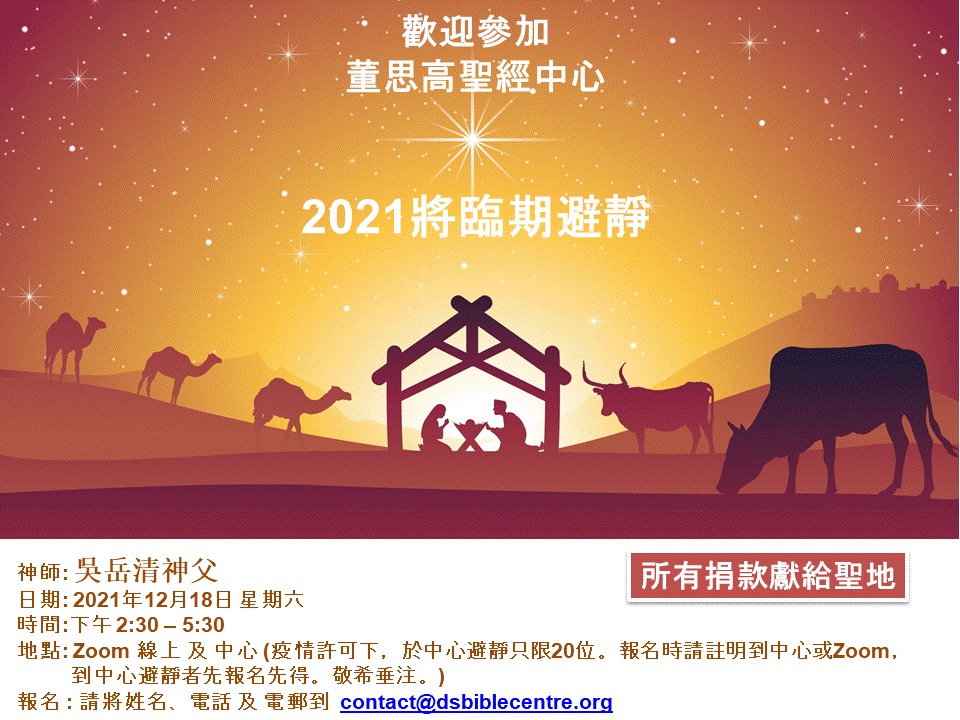
吳岳清神父:2021將臨期網上避靜

方濟會會士吳岳清神父,邀請您參與由《董思高聖經中心》舉辦的2021將臨期網上避靜。報名參與,詳情如下:

香港時間
日期:2021年12月18日(星期六)
時間:下午2:30至5:30
主題:聖言成為人
講者:吳岳清神父
語言:粵語
報名方法:
請將姓名、電話,以電郵方式發送到 [email protected]
並請註明「到中心參與」或「Zoom在線參與」。
*請注意:當天不設錄影*

歡迎各位參與
並一起準備心靈,迎接耶穌的誕生!

進教之佑驛站:將臨期第二週 星期六 福音反省

圖片:鹽與光傳媒

瑪17:9,10-13

他們從山上下來的時候,門徒便問耶穌說:「那麼, 為什麼經師說:厄里亞應該先來呢?」耶穌回答說:「厄里亞的確要來,且要重整一切;但我告訴你們:厄里亞已經來了,人們卻不認識他,反而任意待了他;照樣,人子也要受他們的磨難。 」門徒這纔明白耶穌給他們所說的,是指的洗者若翰。

反省

《學習基督關懷四周的人》

在這將臨期,我們該向耶穌基督學習,學習基督不是要當個好人而已,而是願意有柔順的心,能開放給他人,能表現出憐憫的心。人的心是活的,一旦心硬,我們人性的一部份也就死去了,而結果是,我們不認為對方重要,也不會為他人做點犧牲。聖母瑪利亞是我們的榜樣,讓我們也同她一起撫慰他人,特別是我們身邊的人。

主,我們要學習愛我們的近人,才能堪稱是祢的門徒。亞孟。

進教之佑,為我等祈。

撰文:進教之佑驛站 / 陳鴻基神父

按此閱讀更多
《進教之佑驛站》反省文章

進教之佑驛站:將臨期第二週 星期二 福音反省

圖片:鹽與光傳媒

瑪18:12-14

他們以為如何? 如果一個人有一百隻羊,其中一隻迷失了路,他豈不把那九十九隻留在山上,而去尋找那隻迷失了路的嗎? 如果他幸運找著了,我實在告訴你們:他為這一隻,比為那九十九隻沒有迷路的,更覺歡喜;同樣,使這些小子中的一個喪亡,決不是你們在天之父的意願。」

反省

《做個謙遜及聽命的小子》

耶穌來不是要我們痛苦,祂是來為了與我們同在。當耶穌看到迷失方向的人願意依靠祂、尋求祂,祂會從等待我們的角落,奔向我們。與主耶穌同受痛苦,就是心靈的成長。而我們也會在痛中感受到喜樂,我們痛但不苦;這既矛盾又衝突。何況,天父從來不願意使「這些小子中的一個喪亡」。讓我們做這些天父所照顧的「小子」,又謙遜又願意被祂關懷。

主!當我們迷失時,請聖神帶領我們,並求祢與我們同在。亞孟。

進教之佑,為我等祈。

撰文:進教之佑驛站 / 陳鴻基神父

按此閱讀更多
《進教之佑驛站》反省文章

進教之佑驛站:將臨期第二週 星期一 福音反省

圖片:鹽與光傳媒

路5: 17-26

有一天,耶穌正在施教,幾個法利塞人和法學士也在座。他們是從加里肋亞和猶太各鄉村及耶路撒冷來的;上主的德能催迫耶穌治病。看,有人用床抬來一個患癱瘓症的人,設法把他抬進去,放在耶穌跟前。但因人眾多,不得其門而入。遂上了房頂,從瓦中間,把他連那小床繫到中間,正放在耶穌面前。耶穌一見他們的信心,就說:「人啊!你的罪赦了。」經師和法利塞人開始忖度說:「這人是誰?竟說褻瀆話?除了天主一個外,誰能赦罪?」耶穌看透了他們的心思,就向他們說:「你們心裡忖度什麽呢?什麼比較容易?是說:你的罪赦了,或是說:起來行走吧!但爲叫你們知道人子在地上有權赦罪。」──便對癱子說:「我給你說:起來,拿起你的小床,回家去吧!」那人立刻在他們面前站了起來,拿著他躺過的小床,回家去了。眾人十分驚奇,並光榮天主,滿懷恐懼說:「今天我們看見了出奇的事。」

反省

《彼此擔待》

癱子雖然失卻活動的自由,但慶幸仍有一班好友在旁,丈義相助,不畏艱辛,衝破重重障礙,為能親自到耶穌跟前,尋求治癒。癱子和好友們同心合意,滿懷希望和信心,不輕言放棄,雖千萬人吾往矣!要抬著癱子爬上屋頂絕非易事,還要拆除瓦片,把人連床吊下,當中可要承受相當風險,他們的決心、堅持和勇氣,終能排除萬難,得賞所願。

有些時候我們會是癱子,需要身邊的知己好友扶持,需要他們的代禱,需要有人同行,需要團體的支援,彼此擔待,同心協力尋求上主,赦免我們的罪過,重獲身心靈的自由。也許更多時候,我們要作抬著癱子的好友,義無反顧,全心全意,陪伴同行,滿懷信靠和行動的決心,引領人走近天主。

撰文:進教之佑驛站 / 陳鴻基神父

按此閱讀更多
《進教之佑驛站》反省文章

Secured By miniOrange