天主教香港教區主教周守仁樞機2025年聖誕文告

天主教香港教區主教
周守仁樞機2025年聖誕文告

「聖言成了血肉,寄居在我們中間;
我們見了他的光榮」
若望福音1:14

各位香港市民和朋友:

當我們開始聽到聖誕歌或收到聖誕卡時,就知道聖誕節臨近了。我們正準備迎接這個帶著喜樂和希望的重大節日。然而,最近發生在大埔的嚴重火災,再次讓我們深深意識到生命的脆弱。那麼,在我們當中許多人仍感悲傷的時候,為甚麼還要慶祝聖誕節?

聖誕節正是給我們保證,天主子成為了我們當中的一員,完全分享我們人性中的「甜酸苦辣」。天主子自此與我們緊密相連,使我們不再在看不見未來的困境中苦苦掙扎。因為聖誕節意味著我們擁有了清晰的出路, 通往嶄新而充滿希望的人生。

但世界準備好迎接這個滿帶希望的慶節嗎?戰爭的叫囂幾乎每天都在發生,導致無謂的殺戮。一些國家以極端主義對抗極端主義,形成惡性循環,看不到盡頭。世界經濟改善不足,難以讓中產和勞動階層重燃希望。諷刺的是,富者愈富,貧者苦苦掙扎卻依然窮困。雖然金融業出現了復甦的跡象,但本地經濟依然緩慢。

人性: 

天主子取了我們的人性,讓它再次尊貴起來。祂也把人類從連綿不絕的無助中拯救出來。人性既神聖又不完美。我們一定看過或讀過一些平凡人無私奉獻的事蹟,他們的英勇行為令受助者重拾尊嚴和希望。

但沒有人是完美的。我們能否容讓不完美,甚至接納不完美的實況? 因為不完美是我們人性的一部分。它們能讓我們哭泣,但也讓我們歡笑; 能讓我們憤怒,但也讓我們體恤別人;能讓我們不願去寬恕,但也讓我們渴望被原諒。這正是我們複雜人性的美。

然而,人性變得不再是肯定的價值,反而是用來嘲諷別人的不足。我們要留意,這種否定終會導致人性的自我毀滅。與其迴避對方的缺點,不如滋養自己和別人內在的美善。畢竟,天主子完全接納了我們複雜的人性,沒有拒絕它。

人工智能: 

2025年最吸引人和為人關注的新聞是人工智能(AI)。它是前景亮麗的發明,原意是要造福人群。的確,如果我們明智地運用人工智能,它能夠處理生活中的功能層面的事務,從而保護我們,促進發展。但人工智能最終會取代人類,或是取得人性嗎?

在人際關係上,人工智能的情況就不同了。例如,當我們與別人建立情感關係時,需要接受自己變得脆弱。我們會受到傷害,那可能是一而再的傷害。人工智能無法以這種方式與我們建立關係。在這方面,聖誕節告訴我們,天主子透過進入人類歷史,視我們為兄弟姊妹,也使自己變得脆弱。

當然,任何發明都帶有缺點。要處理應用人工智能的倫理困境, 從教育著手似乎是較好的選擇。如何透過跨學科課程,讓學生在受惠於人工智能的同時,也能批判地理解它對個人以至全球發展的潛在風險?

教育:

當小耶穌在納匝肋長大時,他必定接受了基礎教育, 讓他掌握必須的生活技能,了解他的猶太文化和宗教信仰,並陶成他的人格。

然而,香港的教育仍聚焦於以功利主義為導向,強調功能的幅度,仍然未轉向為以關懷和尊重去看待青年的個體性。教育本質上不是主要用來促進地區繁榮的工具,或為公職、專業服務或勞動市場等輸送畢業生。

教育的基本使命是教導孩子自我發現,而不是把他們塑造成千篇一律;培養自主,不要依賴;建立自尊,而非自誇;尊重他人,而不自我中心;樂於與他人攜手同行,而非凌駕於他人之上;渴望創造更美好的世界,而非安於現狀;培養與夥伴及他人共同建構更美好世界的能力。

在傳統的教育方式之外,還有其他的教育途徑。這些途徑或許更切合那些擁有不同學習風格、有待發掘自身才華的孩子。我們應該鼓勵這些不同的方式或途徑發展起來,讓我們的青年能夠在合適的平台上展現他們的才華。

青年: 

福音書告訴我們,耶穌特別關愛兒童和青少年。在世界某些地區,貧困青年飽受自尊低落和缺乏自信的困擾,這情況在香港亦然。出乎意料的是,來自家境較好的青年情況好不了多少。他們面對類似的問題,包括無止境的競爭。難道沒有其他與「競爭」同樣重要、甚或更重要的價值嗎? 生命和希望呢?

當途徑和機會日益收窄時,即使那些能幹的人也會感到疲倦,因為他們被迫參與由別人設計的比賽,而不是按自己的意願行事。他們習慣了生活在別人的期望和框架中,失去了主動性。我們過去常對青年說「跟隨你的心」,可悲的是,這句話已成為空洞的口號。

聖誕節是饋贈的節日。許多人都想回饋社會。他們該如何幫助青年締造希望?首先,要懷著同理心去聆聽和理解,並向青年探究,這樣才能認清如何回饋社會,該付出甚麼。我們希望他們的付出,會得到青年認同的。

香港—文化相滙與相融之處: 

香港歷來都是一座移民城市,有著跨文化性的特徵。文化間的美妙不在於衝突,而是彼此相遇時帶來的創意融合。歧視非主流文化只會傷害香港。因此,我們需要敞開胸懷,接納跨文化的動力,歡迎移民,讓他們在我們的城市蓬勃發展。小耶穌一家也曾經是移民,他們為了躲避當時統治者的死亡威脅而逃往埃及。

最後,以上提及的不同事項,都不能單靠政府的政策便能得以落實。它們需要我們的善意、積極行動和合作,要跨越意識形態和傳統框界,才能共同建構一個帶有喜樂和希望的世界。讓我們成為文化間的橋樑;為需要希望的人而成為希望的傳承者,特別在慘劇發生後這艱難的時刻;成為一個交談並同行的群體!

藉此機會,我祝願大家、我們摯愛的香港、中國以及全世界一個欣悅的聖誕和一個充滿希望的2026年!

+周守仁樞機

Cardinal Stephen Chow, S.J.
Bishop of Hong Kong
Christmas Message 2025

“The Word became flesh
and made His dwelling among us,
and we saw His glory”
John 1:14

Dear fellow Hongkongers and friends,

When we start hearing Christmas carols or receiving Christmas cards, we know that Christmas is near. We are preparing to welcome this great festival of joy and hope. However, the recent disastrous fire at Tai Po brought us once again to a keen awareness of the fragility of life. So, why celebrate Christmas during this difficult time when many of us are still saddened by the tragedies?

Christmas is here precisely to assure us that the Son of God has become one of us, sharing fully the ‘sweetness, acidity, bitterness and heat’ of our humanity. The Son of God has since been intimately connected with us that we no longer struggle without a future. For Christmas means that we have a clear way out to a radically new and promising life.

But is our world ready to welcome this hope-filled festival? There are still war cries leading to senseless killings almost every day. Nations are applying extremism to counter extremism, creating a vicious cycle that shows no signs of ending. The world economy is not yielding sufficient improvements for the middle and working classes to become hopeful. Ironically, the rich continue to get richer while those struggling become poorer in their struggles. The local economy is still lagging, even though there are signs of recovery in the financial sector.

Humanity:

The Son of God takes on our humanity to make it noble once again. He also rescues humankind from our unending helplessness. Humanity is both sacred and imperfect. We must have seen or read about some altruistic acts by ordinary people that enabled their beneficiaries to, once again, live with dignity and hope through their heroic deeds.

But no one is perfect. Can we allow imperfections or even appreciate them for what they are? For imperfections are integral to our human nature. They can make us cry, but also laugh; angry, but also sympathetic; unforgiving, but also yearning for forgiveness. This is precisely the beauty of our complex humanity.

But humanity is becoming less of an affirming value than a cynical remark on the shortcomings of others. We should be aware that such a denial will lead to the self-destruction of humanity in the long run. Rather than eschewing each other’s imperfections, it is better to nourish the goodness in ourselves and in one another. After all, the Son of God has fully embraced our complex humanity, not rejected it.

Artificial Intelligence:

The news that has sparked high levels of enthusiasm and concern in 2025 is Artificial Intelligence (AI). It is a promising invention, supposedly for the good of humanity. It is true that AI can take care of the functional aspects of life, which is for our protection and development, if we use it wisely. But can AI ever replace or assume humanity?

It is a different scenario for AI when the focus is on human relationships. For example, when we enter into an affective relationship with another person, we need to allow ourselves to become vulnerable. We can be hurt, and probably more than once. AI cannot relate to us in that manner. Again, Christmas tells us that the Son of God has made himself vulnerable by entering our human history, calling us his sisters and brothers.

Of course, no invention is without drawbacks. To address the ethical dilemmas of applying AI, starting with education appears to be the better option. How can an inter-disciplinary curriculum prepare our students to benefit from AI, while critically understanding its pitfalls for personal to global developments?

Education:

When little Jesus was growing up in Nazareth, he must have received a basic education that equipped him with essential life skills, knowledge of his Jewish culture and religious faith, and the formation of his personhood.

However, education in Hong Kong has yet to shift its focus from functionality underscored by a utilitarian emphasis to a loving respect for the individuality of our young ones. Education should not be taken as an instrument that essentially serves the territory’s prosperity by providing young graduates for civil services, professional services, or the labour market, etc.

The essential mission of education is to teach children for self-discovery, not to be molded like the rest; to foster self-agency, not dependence; to build self-esteem, not boastfulness; for respect for others, not self-centeredness; for willingness to reach out and walk with others, not lording over them; to cultivate a deep desire for a better world, not to be sedentary in their own comfort zones; and to nurture a capacity to co-construct a better world with their peers and others.

There are other educational pathways besides the conventional way. These may be more suitable for children who thrive on different learning styles and have gifts yet to be discovered. We should encourage these different pathways to shine out so that our young people can celebrate their gifts on suitable platforms.

Young people:

Jesus, as we know from the Gospel, has a soft spot for children and youth. Underprivileged young people are struggling with low self-esteem and weak self-confidence in some parts of the world, including Hong Kong. Ironically, young people coming from better-off families are not faring that much better either. They, too, are suffering from similar issues, including constant competition. Are there no other values that are equally or more important than being competitive? What about life and hope?

When the pathways and opportunities are narrowing, even those who are capable are getting tired because they are being forced to engage in someone’s game rather than their own. They are well conditioned to live in other people’s expectations and frameworks, leaving little initiative in them. We used to say, “follow your heart” to our young people. Sadly, it has become an empty slogan.

Christmas is a time of giving. There are individuals who want to give back to society. How can they help create hope for our young people? First, listen empathically, understand, and learn from the young ones before they can identify how and what to give back. We hope that their giving back will be truly appreciated by our young people.

Hong Kong — where cultures meet and fuse:

Hong Kong has long been a city of migrants where inter-culturality is its hallmark. The beauty of cultures lies not in clashing but in creative fusions as they encounter one another. Discriminating against cultures other than the conventional ones will only hurt Hong Kong. Hence, we need to open ourselves to intercultural dynamics and welcome migrants so they can thrive in our city. Jesus and his family were migrants when they escaped to Egypt from the death threat ordered by their ruler of the time.

Finally, none of the above can be achieved with government policy alone. They require our goodwill, initiatives and collaborations beyond ideological and conventional boundaries, so that they can contribute to building a joyful and hopeful world. Let us be bridges among cultures, messengers of hope to those who need hope, especially during this difficult time after the tragedy, and a community that dialogues and journeys together!

I take this opportunity to wish you, our beloved Hong Kong, China and the world a joyful Christmas and a hope-filled 2026!

+ Stephen Cardinal Chow, S.J.

來源:天主教香港教區

周守仁樞機2024年復活節文告:傳遞希望的陌生人

圖片:天主教香港教區

周守仁樞機2024年復活節文告

傳遞希望的陌生人

「他們就彼此說:『當他在路上與我們談話,給我們講解《聖經》的時候,我們的心不是火熱的嗎?』他們遂即動身,返回耶路撒冷」。(路加福音24:32-33)

逃離

原始復活事件的實際情況,跟今天我們看到色彩繽紛、明亮和充滿希望的復活節裝飾截然不同,它沒有那麼亮麗和有著希望。相反,在原始耶穌復活事件的敘述中,我們可以看到困惑、極度失望甚至是絕望。

例如,有兩位門徒離開耶路撒冷,前往家鄉厄瑪烏,他們對耶穌未能拯救以色列、反過來更被羅馬人殺害而非常失望(路加福音24:21)。既然再不能對耶穌寄以希望,兩人便決定離開他的團體。為甚麼要為一個失敗者、以及一個與他緊密相連的團體,而給自己的福祉和生命冒上風險呢?

著熱情的心

對那些不了解或不相信基督信仰的人來說,這兩位門徒決定離開是合情合理的。但對於我們基督徒來說,卻知道這不是故事的結局。復活的主在兩位門徒回家的路上向他們顯現,兩人當刻卻不認得他。主與他們同行、說明他們所愛的師傅就是他們期待的默西亞,並使他們記起與主耶穌的最後晚餐,他們便感到內心再次因對主的熱情而變得火熱。

兩位門徒決定動身返回那令人困擾和失望的耶路撒冷,與耶穌的信仰團體重新建立聯繫,對主復活的消息團體仍感到繚亂、難以置信、困惑而又喜樂。這消息好得令人難以置信。誰會相信這個完全不合邏輯、超乎預期的結局? !但這正是他們對主復活的經歷,原始的復活事件!

相信善的力量

因此,當我們慶祝耶穌復活時,我們不是去慶祝一個平凡的春日慶節。因為如果那是一個可以預期的驚喜,那它就再不是驚喜了。就如二千多年前上主在耶路撒冷外所做的一樣,祂現在也要告訴我們,邪惡的力量不能阻礙上主使生命從死亡中復活過來,也阻不了希望從絕望中冒起,或是正義戰勝不公。我們要相信,依循天主全知的計劃,在合適的時間,善終能勝惡。

返回去的勇氣

除了相信,願意懷著那份扎根於內心的希望回到備受困擾的地方,也是同樣重要。任何俗世的圖謀,都不能打垮那份對上主所懷有的希望,因上主是生命與愛的主。上主已經叫耶穌從死者中復活,亞肋路亞!當我們心懷這份希望,來面對那些在生命及感知世界中感到哀傷或對良善存疑的人時,便有力量去陪伴他們。兩位門徒雖然明知會面臨種種威脅,仍決定回到耶路撒冷,陪伴他們那深受困擾的團體。

分享微薄資源來互相支持的力量

我們或許都聽過「相濡以沫」這成語,它描述兩條魚在乾了的水池中掙扎,互相用口沫來潤濕對方身體以維持生命。有一說提出接著上天似乎給感動了,雨開始下來,拯救了這兩條在危難中的魚兒。

現今世界被自以為是的意識形態和像漣漪般擴散出去的戰事深深地傷害著,疲弱的地方經濟奮力掙扎以求復元,還有一些似是毫無能力創造希望的主流社會政治論述,面對以上情況,我們仍可在互相陪伴時去分享自己微薄的資源,好使所有人都能夠在等待雨水和拯救到來前保存生命。絕不要低估心存善念和希望去分享微薄資源的力量。

畢竟,在這風高浪急的大海中,我們都同坐一條船,除了生命與愛的上主之外,我們還可以互相依靠。我們的信仰讓我們知道,上主一直與我們同在,祂透過不同的人和方法來祝福我們、尤其是那些我們最意想不到的人。或許,當我們能夠對驚喜保持開放,就能夠保持希望。反過來,如果我們只容許自己所預期的可能性出現,生活和未來便會變得乏味和沉悶。

成為傳遞希望的陌生人

當門徒看到他們的老師死去,他們最初的反應是極度失望,可能還感到憤怒和被欺騙。然而,當他們打開心扉,聆聽那位與他們同行的陌生人時(路加福音24:15),希望和力量溫暖了他們的內心,更開始取代了困擾著他們的失望和怨懟。

我們是否能夠成為別人身邊的那位「陌生人」,讓他們知道我們為何仍然抱有希望,並與他們分享我們微薄的資源嗎?面對遭逢經濟不景、經歷各種不公義、又或被邊緣化的人,我們如何通過陪伴、共同努力以及相信協同善意的力量,為他們帶來希望?我相信天主必會倍增出於善意的微薄付出,令更多人得以飽餐,就如五餅二魚增餅的奇蹟,最後能讓眾多的人吃飽。(瑪竇福音14:13-21)。

願我們在這個艱難時刻體驗到希望,透過相互陪伴、分享實質和靈性資源,以及一同給予和平與無條件對話的堅持,好能為最終的治癒和復元做好準備!祝大家有一個快樂而又充滿希望的復活節!

+周守仁樞機

Easter Message 2024

The Stranger Who Brings Hope

“Then they said to each other, ‘Were not our hearts burning [within us] while he spoke to us on the way and opened the scriptures to us?’ So they set out at once and returned to Jerusalem” (Luke 24:32-33)

Running away

Unlike the colourful, bright, and hope-filled Easter decors we see today the actual happenings surrounding the first Easter were likely not so bright and hopeful. Instead, confusion, profound disappointment and hopelessness were readily identifiable in the original Easter narratives.

For example, the two disciples left Jerusalem for their hometown, Emmaus, with great disappointment in Jesus for failing to redeem Israel (Luke 24:21). Instead, he let himself be killed by the Romans. Since he proved to be a lost cause, they decided to leave his community. Why risk their welfare and lives for someone who had lost, and for a community so much identified with him?

Hearts ignited with a passion

The two disciples’ decision of leaving probably sounds sensible to those who do not know or embrace the Christian faith. But for us Christians, we know that it was not the end of their story. The risen Lord appeared to them on their way to their hometown without being recognised. Having walked with them, explained why their dear teacher was their expected Messiah, and reminded them of the last supper with him, they could feel their hearts were once again ignited with a passion for their Lord.

What they decided to do was to return to the troubling and disappointing Jerusalem, and re-connect with the faith community of Jesus, still dazzled with disbelief, joy, and confusion over the news of their risen Lord. That was too good to be true. Who would believe this outcome, which was totally illogical and beyond expectation?! But this was exactly the experience of the resurrection of their Lord, the first Easter!

Believing in the power of goodness

So, when we celebrate Easter, we do not celebrate a mundane Spring festival. For if the surprise was something that could be anticipated, it would not be a surprise at all. And God is telling us, as God did over 2000 years ago outside Jerusalem, that no evil power could stop God from raising life from death, hope from despair, and justice over injustice. What is needed is our faith in the triumph of good over evil in due course, following God’s omniscient plan.

Courage to return

Besides believing, our willingness to return to the troubling spots with the implanted hope in our hearts is equally significant. The same hope in the God of life and love who cannot be defeated by any worldly plots. God has raised Jesus from the dead, Alleluia! When we have this hope operating from our hearts, we may have the power to accompany those who are dejected or doubtful of goodness in their lives and their perceived world. The two disciples decided to return to Jerusalem to accompany their troubled community, knowing that they were facing definite threats at the same time.

The power of supporting each other with meagre resources

We probably are aware of the Chinese idiom “相濡以沫,” which is about two fish struggling in a drying-up puddle, while trying to keep each other alive and moistened by spitting on each other’s bodies. According to one source, it seemed that the heaven was moved, and rain started pouring down once again, saving the two fish from peril.

When we are faced with a world deeply hurt by self-righteous ideologies and wars with widened ripple effects, or a weakened local economy that is struggling to recover, or some dominant socio-political narratives that do not seem at all hope-yielding, we can still accompany each other with our meagre resources, so that all of us can stay alive while waiting for the rain and salvation to arrive. Never underestimate the power of sharing meagre resources with goodwill and hope.

After all, for those of us, seated in the same boat sailing over a challenging sea, we can have each other to count on, besides the God of life and love. And our faith tells us that God is always with us, blessing us through different people and means, particularly those we least expect. Maybe if we remain open to surprises, then we can stay hopeful. Otherwise, life and the future will be dull and boring if we only allow our envisaged possibilities to come into the picture.

Be the stranger who brings hope

When the disciples looked at the death of their teacher, their initial reactions were great disappointment and possibly anger while feeling cheated. However, when they opened their minds and listened to that seemingly stranger walking with them (Luke 24:15), their hearts warmed up with energy and hope, starting to replace disappointment and resentment that were disturbing them.

Can we be that ‘stranger’ to others, sharing our reasons to remain in hope and our meagre resources with them? How can we provide hope to those suffering under a weak economy or different forms of injustice and marginalisation through our accompaniment, collective efforts, and trust in the power of collaborative goodwill? I believe God will multiply whatever meagre provisions are provided out of goodwill so that more can be fed, like the miracle of feeding the multitude with only two fish and five loaves (Matthew 14:13-21).  

May we experience the power of hope at this difficult time through mutual accompaniment, sharing of physical and spiritual resources, and a collective conviction for peace and unconditional dialogue paving the way for eventual healing and recovery! A happy and hope-filled Easter to you all!            

+ Cardinal Stephen Chow, S.J.

來源:天主教香港教區
周守仁樞機2024年四旬期牧函:同行的夥伴

圖片:天主教香港教區

主內親愛的姊妹兄弟:

我們再次踏進了四旬期的門檻,這個在進入主逾越奧蹟的悲傷與喜樂之前、為靈性作準備的時期。悲傷,因為我們黑暗的人性未能全心擁抱天主——天主真實的一面。主透過受難和死亡,來喚醒我們要覺知天主震憾人心的愛。喜樂,因為天主沒有放棄我們。天主終於戰勝了邪惡的王牌、即死亡本身,粉碎了它的力量,並透過天主子的復活,把我們從永恆的詛咒中釋放出來。

當我們說主的逾越奧跡是生命戰勝死亡時,這也意味著,奧跡本身就是慈悲的愛戰勝了冷漠。在我們去細看社會及當中不同架構時,會看到甚麼?我相信可看到人性的美善和受造界的光輝。但我們同時也可看到個人主義的孤獨,以及大自然環境因我們自私的利己主義而受傷流血。

在推展一個共議同行的教會時,我們蒙召叫,要從個人主義和利己主義皈依到共議同行的境況,在這個境況中,我們學習互相陪伴,去完成天主託付給我們作為團體的使命、去共同分辨聖神的引領,在我們各自的處境中去實踐天主救贖的使命。

聖神是合一的神,所以我們相信,因著我們的使命也是源自天主的使命,縱然大家有不同的進路,但都會彰顯那些出自上主、相同的慈愛和對合一的渴望。舉例說,若我們在四旬期受聖神感動而採納了不同的補贖方式,那麼這些補贖對整個團體有何助益,而不僅是我們自己的靈性得益?

我們可以考慮陪伴以下五個目標類別,以展現天主的慈愛。當然,具體方式取決於我們的實際情況和能力。我們不必陪伴全部五個類別,而是辨別出一至兩個,讓我們能夠有質素地陪伴他們。這五個類別分別是精神健康受困擾的人、青少年、流離失所者、善意的人,以及受造界。

目前香港面對的其一主要課題是精神健康。據了解,抑鬱症是香港以至世界各地最常見的精神病。有研究顯示,香港有超過三十萬人患有抑鬱症。其他本地研究發現,截至2022年,香港有四分之一的六至十七歲兒童和青少年患有最少一種心理健康問題,有些人更同時患有兩至三種精神病。當我們與患抑鬱症的兒少同行時,能否幫助他們學習去把憂慮交託給天主、信任天主會看顧他們 ?「將你們的一切掛慮都託給他,因為他必關照你們。」(伯多祿前書 5:7)。

從以上資料可見,兒童和青少年迫切需要同理心的理解和忠誠的相伴。他們並不是我們的問題,而是我們的希望和未來。然而,應該由他們去創造自己的未來、這某程度上亦是我們的未來。我們的其中一個角色是陪伴他們,與他們分享如何辨別、並懷著信心和希望去跟隨天主的指引。此外,我們要知道,自己到了晚年時也需要他們的陪伴。因此,「你們願意人怎樣待你們,也要怎樣待人。」(路加福音 6:31)

另一個需要我們陪伴同的無聲群體是流離失所人士,他們因敵對或危及生命的外在環境而被迫離開家園或常居地。其中一些流離失所者屬難民或尋求庇護人士。香港法律禁止他們從事有薪工作。要申請重新安置,即使成功、也可能要等上十年以上。當事人要面對著各種挑戰,例如財政、子女教育、要對不可知的將來存有希望、不安全感和社會孤獨感、遭犯罪集團剝削等等。作為在世的朝聖者,我們蒙召一起走向今生以後的新家園。 「因為我們在此沒有常存的城邑,而是尋求那將來的城邑。」(希伯來書13:14)。

感謝天主,不少善心人士為了社會可享有更美好的未來而作出貢獻。他們有著不同視野,採納不同信仰傳統的途徑、當中亦有人沒有宗教信仰,但他們都願意分擔我們的關注。

我們都明白,孤軍作戰的善意力量非常有限。但當心懷善意的人聚集並合作起來,便會產生協同效應,集體的聲音會變得更加強大。 「為此,我們行善不要厭倦;如果不鬆懈,到了適當的時節,必可收穫。」(迦拉達書 6:9)。

最後但同樣重要的是,我們人類也不能倖免於受造界的困境。回看愈來愈令人困擾的炎夏高溫和極端天氣,以及食物鏈內日益嚴重的污染。假如我們繼續忽視對大自然的破壞,不與天主的受造界同行,這就是咒詛後代要他們在地獄般的世界中生活。但如果我們願意踏上「生態皈依」之旅,給大自然一個良好的療癒空間,就有機會為後世提供宜居的生活環境。要相信上主之神的創造力啊! (參考聖詠 104:30a)。

2025年禧年以「希望的朝聖者」為主題,今年2024年則訂為「祈禱年」。我們應教宗邀請,以主禱文作為今年的焦點,為希望的禧年做好準備。

我們透過主禱文祈求天主(天父)的國度來臨,「和平、正義與愛」是這國度的特質。因此,當我們的內心和世界經驗到這些天國的特質時,自然就會抱有希望。當我們天主子民與上述五類人士及眾生同行時,天主的國度便會植根於我們的內心和世界裡。

父啊,願你的國來臨。教導我們謙卑而又忠信地,與患精神病的、年輕的、流離失所的、心懷善意的的姊妹兄弟,以及受造界同行。亞孟。

+周守仁樞機

來源:天主教香港教區

聖公會主教和天主教主教共同參加大公祈禱活動

在2024年1月的基督徒合一祈禱週期間,聖公會的主教和天主教主教共同參加名為「一起成長」的大公活動。參與者是來自27個國家的五十多位主教,從1月22日至29日,主教們分別在羅馬和英國坎特伯里參加研討會和朝聖活動。該活動由聖公會與羅馬天主教會促進合一與傳教國際委員會(IARCCUM)組織承辦。

主教們在羅馬和坎特伯里參加朝聖活動,共同祈禱、反思並相互學習,目的是討論如何在世界上的見證和使命中一起成長。

此次活動的高峰是1月25日聖保祿宗徒歸化日,教宗方濟各和坎特伯里總主教將在聖保祿大殿內的宗徒聖保祿墓前派遣主教,以見證基督徒的團結。

在羅馬,除了1月25日的活動外,坎特伯里總主教將在聖巴爾多祿茂教堂主持聖公會的聖餐禮。主教們1月23日至26日在聖伯多祿大殿朝聖,也將前往大聖額我略教堂朝聖,這位教宗曾於公元597年在此地派遣本篤會士奧斯定前往英格蘭傳教。之後,奧斯定成為坎特伯里的首任總主教。

1月28日,主教們將在坎特伯里主教座堂參與禮儀活動,香港教區主教周守仁樞機將在禮儀中講道。

來源:梵蒂岡新聞網


周守仁樞機耶穌聖誕節子夜彌撒講道

圖片:公教頻道

耶穌聖誕節 — 子夜感恩祭 2023

依 9:1-6
鐸 2:11-14
路 2:1-14

今時今日作為君王的已不復從前君權神授的威嚴,享有莫大的權力。但今天的民主發展也在一定程度上是因為一些君王的攬權,不理百姓幸福死活而致的後果。可是現代的民主制度又是否真的讓人民的尊嚴得到合理的體現呢?或已變成黨派及資本之爭呢? 民粹主義就更加不理想了,它把立場對立化和情緒化,缺乏交談的空間。

今日我們慶祝一位小君王在二千多年前為我們誕生了。他是一個怎樣的君王,相信大家都略知一二了。耶穌基督在世的時候就已經努力不懈地為聖父履行給他的正義與公平使命,以致最後他捨身取義。

天主的正義與公平是基於祂對受造界,特別是我們人類的那份情深的愛。聖父派遣祂的唯一聖子進入我們人類的歷史,成為我們的一份子,與我們同行,目的是要帶我們回家,回到那位創造和對我們念念不忘的上主的懐抱中。這正是慈愛的上主的心願。所以,上主的正義是建基於這份大愛之上,不是在私利或仇恨與報復之上。這與我們一些現世的正義觀真的有相當距離。

而公平更是因人的不同需要和已有的資源而定,因為上主創造我們每一個人都是獨特的,所以公平也會因人而異,不會一定要一視同仁的那種公平。所以我們要認識不同的人的不同需要,和他們各人有的資源,好用來適切地互相補足。這也是基於無私的愛而做的。聖誕就是天主聖子完全地放下自己的尊嚴,降生成為有生老病死的凡人,好讓我們能跟他一起回歸天父的家。

小耶穌降生在猶大的白冷。而「白冷」的意思是「麵包之家」,即是猶大的糧倉。所以這個地方為整個民族是重要的,民以食為天,這是民生的重地。同時,小耶穌是出生於馬槽裏,而「馬槽」的希伯來文是אֵבוּס ,含意包括「盛載飼料的容器」。小耶穌就是被放在這容器之中。他就是上天給我們的精神食糧,好維持我們的靈性生命。所以這位新生的嬰孩是給整個民族,以至全世界的食糧,我們因為他才能有永遠的生命。

今晚當我們教內的兄弟姊妹領受聖體時,請大家細味這份自我奉獻的愛,也是因為這份愛,世人才有可能從黑暗的奴役中被拯救出來,我們眾人才可以回歸永恆的光明,天主的懷抱中。這個美好的將來不在乎我們現在身處何方,也不論我們的生活形式和不同的取向,重要的是我們的心是歸向光明,願意離開黑暗的心境、處境和它的影響,更進一步生活在大愛和美善的光輝中。那就可以了。這也是耶穌聖誕的意義啊!記得聖人有他們黑暗的過去,罪人也所以有他們光明的未來。

雖然耶路撒冷和白冷今年因戰亂而變得冷清,我們好像沒有甚麼好的理由慶祝在白冷的聖誕。但這是一個誘惑,對上主的救贖能力存有疑心的誘惑。我們可以想像所謂的「現實」其實不是平面,而是立體或多重的。上主透過耶穌聖誕給世人的承諾,已在另外的層面或幅度運作中,只是在我們暫時看不到,未能體驗得到而已。何況二千多年前的第一個聖誕亦不是那麼平靜,那麼有條理的。試想想兩位年青人的第一胎生產在馬槽裏⋯

因此我們不要被眼前的現實所蒙敝,要懷着信德和望德繼續朝著天主聖神帶領的方向共議同行。世界和平,我們人人有責。首先是對和平的君王有信心和懷着希望,在自己的生活中做一個接近上主的「正義和公平」的人。

最後,當我們很高興地慶祝聖誕節的同時,也不要忘記這些意義。不要放縱或荒淫地盡慶,而是把我們的幸福的資源和其他缺乏的弟兄姊妹分享,把光明帶給那些在黑暗中掙扎著的人士。這樣我們就能公正及虔敬地生活,永恆的幸福也會在等候著我們。祝大家有一個蒙福的聖誕節和富有意義及大愛的新的一年!

+周守仁樞機
天主教香港教區主教

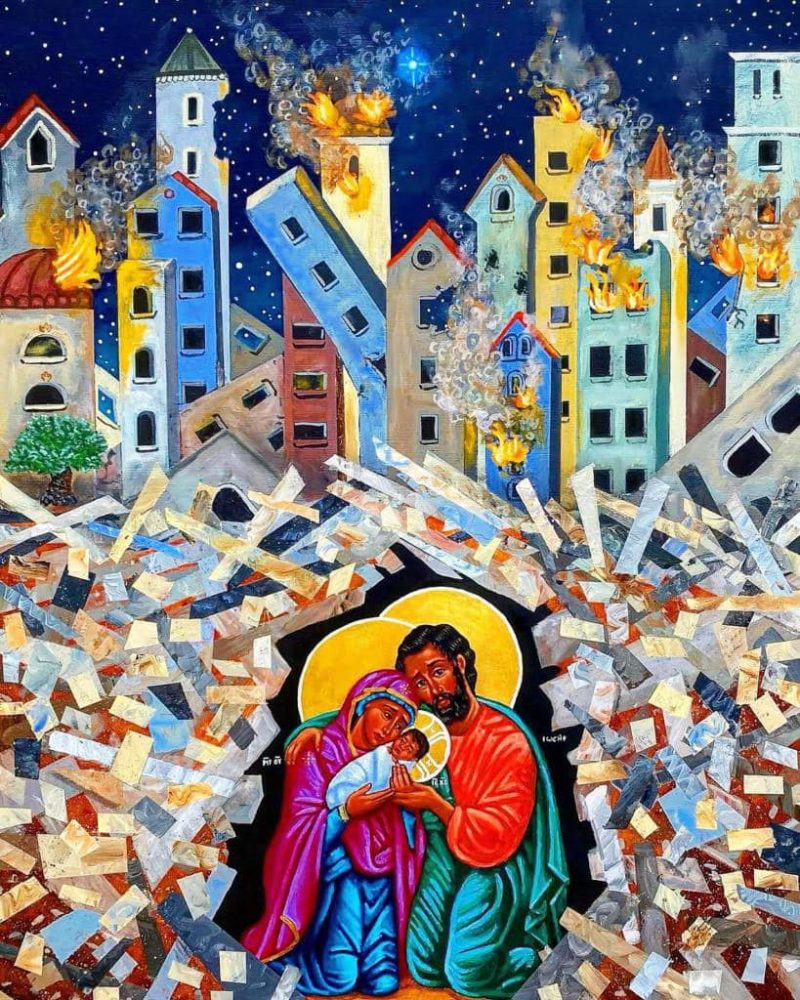
Christ among the Rubble. @KLICONS

天主教香港教區主教周守仁樞機2023年聖誕文告

圖片:天主教香港教區

當香港和世界眾多地方正熱切準備慶祝聖誕節的時候,究竟目前的甚麼主要形勢可能怎麼樣影響我們慶祝這個節日?

每日都有戰爭和恐怖主義的新聞報道,當中也有地緣政治的緊張局勢,特別是和中國有關的,這都會對香港有著影響,以致疫情後的經濟仍然疲弱,不同行業和專業都出現了明顯的人才短缺情況。最令人心碎的是,青少年自毀行為的個案有所上升——這一切相加起來,便給人帶來無動力、甚至灰鬰的情緒,沒信心美好前景快將來臨。那為甚麼我們要慶祝?

「在黑暗中行走的百姓看見了一道皓光,光輝已射在那寄居在漆黑之地的人們身上。」(依撒意亞先知書九1)

聖誕節是慶祝天主對世人永恆大愛和忠信相伴的承諾,這承諾實現在這位新生嬰孩、即是厄瑪奴耳(意思是天主與我們一起),和耶穌(意思是救世主)身上。這承諾不只為2000 多年前的人而作出,而是每年當我們慶祝聖誕節時,這承諾都會再次被肯定。

不論我們是否基督徒,這承諾在我們身處黑暗時為我們帶來光明,在我們悲傷時給我們帶來喜樂。真正的愛不為歷史、宗教、文化、政治或經濟劃下界限。任何人只要是希望慶祝生命,相信神聖會介入脆弱的現實環境,那麼聖誕節就是深切喜樂的因由。

過去一個多世紀以來,香港都有慶祝聖誕節,而天主子為我們先祖降生的事實,至今亦然。自開始以來,厄瑪奴耳永恒忠信的陪伴和耶穌大愛的奇蹟就從未間斷,為非基督徒也如此。然而,這些奇蹟的效果為真實的信徒來說,應該更加明顯。

那麼,我們是否都準備好去慶祝那聖誕的奇蹟?它能夠從虛耗生命的現實中驅除黑暗和疑慮。更者,我們是否願意成為這奇蹟的中介,即是,成為那些需要陪伴的人的忠信夥伴,為期待被愛肯定的人付出無條件的愛?

「(她)便生了她的頭胎男兒,用襁褓裹起,放在馬槽裡,因為在客棧中為他們沒有地方。」(路加福音二7)

當耶穌聖嬰將要降生的時候,人們還沒準備好去迎接他。他們忙於招呼其他客人,那些他們認為更值得用時間和空間去接待的人。因此,他的誕生在馬槽裡,為新生嬰孩來說已是最不恰當的地方,更不用說為天主子了。人們的內心沒有為他預留時間和空間。

當我們的心對愛的源頭封閉起來時,便無法經驗這愛,即使它是為我們而來。當我們不關心別人時、特別是那些在社會或經濟邊緣掙扎的人,其實就是我們在判處大家要承受更長時間的苦。如果我們能為在掙扎中的人、特別是青少年和長者,騰出時間和空間,光明和喜樂也會隨之而來。

我們的社會需要提升具同理心的體諒、寬容和寬恕的文化。沒有人可以斷言自己將來不會渴望得到別人的體諒和寬恕。當建立了具同理心和慈悲的文化時,我們就能夠開始相互陪伴,攜手前行 —— 特別是與我們的青少年一起行。

我們也要讓教育工作者有時間、空間和精力去陪伴青少年。陪伴同行需要時間、內在空間、並且要不帶批判地聆聽對方的困境。但若果教育工作者被種種工作職務纏擾,即使他們想學習如何最好地陪伴學生,也只變得有心無力。請大家明白,陪伴為青少年、以至我們自己,是很有價值的聖誕禮物。因為聖誕的核心禮物,就是天主對全人類和受造界以堅定不移的愛情委身相伴。

當然,我們要感謝宗教團體和社會機構、包括政府,以至不少個別人士,他們一直在幕後努力著,幫助近年違法的青年,讓他們重新融入社會,並透過各種方式讓他們的人生繼續向前走。但仍有很多人在等待這種具希望的待遇。此外,還有一些人士特別著力去陪伴那些易受傷害的長者,長者是自殺率最高的年齡組別。

在香港的朋友們,請相信:我們值得得到比目前所有的更好。但我們必須起行,不要自憐,要離開局限著我們的安舒區,跟隨聖誕的光芒,去獲取聖誕節核心的禮物。讓我們把聖誕的光輝反射開去,把光帶給那些在黑暗中掙扎的人們。

祝大家聖誕蒙福,2024年更具智慧地面對一切快樂與挑戰!

+ 周守仁樞機

天主教香港教區主教

As Hong Kong and most parts of the world are psyched up for the celebration of the Christmas festivities, what are the dominant outlooks that may colour our capacity to celebrate?

There is news of wars and terrorism continuing in daily news, geopolitical tensions concerning China in particular, which have bearings on Hong Kong, a slack post-pandemic economy, noticeable labour shortages in various industries and professions, and, most heartbreaking, the rising numbers of young people engaging in self-destructive behaviours—all these, when added up, can contribute to a flat and even darkened spirit, lacking confidence of a brighter future anytime sooner. Then why should we celebrate?

“The people who walked in darkness have seen a great light; upon those who dwelt in the land of gloom, a light has shone” (Isaiah 9:1).

Christmas is the celebration of God’s promise of eternal love and faithful companionship for all being fulfilled in this newborn baby, Emmanuel, i.e., God-is-with-us, and Jesus, i.e., the Lord is salvation. This promise was not only for those people more than 2000 years ago, but each time we celebrate Christmas, the promise is re-affirmed.

This promise should give us light in our darkness and joy in our sorrows, regardless of whether we are Christians or not. Real love knows no boundaries of histories, religions, cultures, politics, or economies. Christmas is the cause of deep joy for anyone who wants to celebrate life and have hope in the divine intervention in a frail reality.

Hong Kong is certainly a place where Christmas has been celebrated for over a century, while the reality of the Son of God being born for our ancestors up to this point in time is always the case. The miracles of the ever-faithful companionship of Emmanuel and the love of Jesus have never ceased since, even for all those who are non-Christians. However, the effects of these miracles should be more pronounced for true believers.

So, are we ready to celebrate the miracles of Christmas that dispels darkness and doubts in the life-draining reality? Furthermore, are we willing to become agents of those miracles, i.e., to be faithful companions to those who need accompaniment and unconditional love for those who would appreciate loving affirmation?

“ And she gave birth to her firstborn son. She wrapped him in swaddling clothes and laid him in a manger, because there was no room for them in the inn” (Luke 2:7).

People at the time of this baby Jesus’ imminent coming were not ready to host him. They were occupied with other guests whom they deemed more worthy of their time and space. That was why he was born in a manger, a most unseemly space for any human newborn, not to mention the Son of God. People’s hearts had no time or space for him.

When our hearts are closed to the source of Love, we cannot experience it either, even though it is offered to us. And when our hearts are uncaring for others, especially those who are struggling on the social or economic margins, we are condemning each other to prolonged suffering. But if we can make the time and space for them, especially our young people and the elderly, light and joy can come in as well.

Our society needs to strengthen a culture of empathic understanding, tolerance, and forgiveness. No one can be certain that she or he will not become the yearning recipient of empathy and forgiveness in the future. For when there is an established culture of empathy and compassion, we can start accompanying and moving forward with each other— especially with our young people.

We must also allow our educators to have time, space and energy to accompany them. Walking with each other requires time, inner space, and non-judgmental listening of each other’s plights. But if our educators are already overwhelmed by the different job-related requirements, they cannot be in a position to learn how best to accompany their students, even if they want to do so. But this will be a worthy Christmas gift for our young people and ourselves as the essential gifts of Christmas are God’s committed companionship and unfailing love for all humanity and Creation.

Indeed, we can be thankful to individuals and groups of religious or social institutions, including the government, which have been working behind the scenes helping young people, who have violated the laws in recent years, reintegrate into our society and move ahead with their lives through various means. But more are still waiting to receive such hope-filled treatments. There are also those who make special efforts in accompanying vulnerable elderlies, an age group that holds the highest suicidal rate.

My friends in Hong Kong, do have confidence in our worthiness for something much better than what we are experiencing. But we must get up, leave our limiting comfort zones, stop feeling sorry for ourselves, and follow the light of Christmas to attain the essential gifts of Christmas. Let us be the ones who reflect the light of Christmas to those struggling in their darkness.

I pray that we will enjoy a blessed Christmas. May we be endowed with wisdom to face all sorts of joys and challenges in 2024!

+ Cardinal Stephen Chow, S.J. Bishop of Hong Kong


周守仁樞機2023年將臨期牧函:成為共議同行的天主子民

圖片:天主教香港教區

2023年將臨期牧函
成為共議同行的天主子民

「吾主上主的神臨到我身上,因為上主給我傅了油……宣布上主恩慈的喜年」。(依撒意亞先知書61:1a, 2a)

主內親愛的姊妹弟兄:

今年的將臨期來得稍晚一點,但由這個充滿期待和希望的節期經已來臨。感謝天主,我們總是有具體的理由抱持希望。我們作為教會和子民結伴同行時,可以心懷希望期待著厄馬奴耳的應許逐漸展現在我們面前。

我們要明白,教會不只是關乎聖統制。根據梵蒂岡第二次屆大公會議的教導,「天主子民」的概念包括了平信徒、修會會士和神職人員,它是教會非常基本的特質。我們天主子民是受傅者,洗禮時便領受了基督徒的尊嚴(《教會憲章》,第 2 章)。對,受傅和尊嚴——作為天主子民的尊嚴,以基督為首成為一個身體。

我們尊嚴的另一個幅度關乎使命。因著我們的洗禮,我們分擔了天主在世的使命。這使命並不複雜、不用研究多年才會明白。它關乎天主所愛和恩待的眾生,回看禧年免除債務的教導便可得知(肋未紀 25:10-11;依撒意亞書49:8)。這是免受被罪奴役的自由,讓我們恢復蒙召時的身份——天主子民。

以上這一點特別有意思,因為現今世界無疑是沉浸在仇恨、暴力和破壞當中。眾多心靈都變得躁動不定、迷茫,甚至想報復。我們需要平安和希望。我們需要好消息。簡言之,我們需要天主!

平安和希望從哪裡開始?從我們自己開始,使我們的內心和意念皈依,成為福音的真正信徒。天主的恩惠臨於我們、上主的受傅者身上。把這些應用到本地處境當中,我們作為在香港的天主子民,不但可以把好消息帶給本地人,還可以透過數碼媒體把好消息傳遍整個世界。

作為天主子民,我們被召喚成為共議同行的教會。 「共議同行」(Synodality)是我們的使命,要向人們見證作為夥伴的意思,並蒙召在天主永恒的愛內一起朝著我們的共同終向走去。在天主的愛內,我們可以得到真正的平安。有意思的是,共議同行既是一項使命,也是一個向社會和世界傳遞天主眷顧的方法。

因此,為要去履行共議同行的使命,我們就必須先被培育成為共議同行的天主子民。在去年的將臨期牧函中,我提到有需要為聖職人員、修會會士和平信徒——特別是我們的年輕人——提供知識和靈性上的培育。我們仍然有賴信仰小團體和禮儀,支持我們學習和實踐如何成為共議同行的子民。

要廣泛培育大家認識最近世界主教代表會議所採納「在聖神內交談」的方式,它會幫助建立一個聆聽和分享的群體。我們要學會成為懂得尊重和具備同理心的聆聽者,以及真誠的分享者,好能在群體內建立信任。 「愛情不可是虛偽的……應與喜樂的一同喜樂,與哭泣的一同哭泣。」(羅馬人書 12:9, 15)

然而,我們幾乎可以肯定,大家的意見不會時常相匯。可以預期分歧衝突會帶來張力。那麼,我們該如何應對這些張力呢?

比較好的方法是,不要趕急地或輕率地去除張力,因為弱勢者會有著被迫妥協的危險。重要的是,要學習如何托由分歧而來的張力,同時著眼於相通處或共同點,以幫助我們共同前進,這會更為可取。

我們蒙召成為共議同行的子民,好見證與我們同行的天主的大愛。我們透過以同理心傾聽那些遭受傷害和痛苦、幻滅、絕望和教會內的邊緣人士的聲音,與他們同行,為他們提供某些援助,就是給他們提供了見證和希望。我們知道無法解決他們的問題。但可以透過與他們同行,成為夥伴,與他們分享天主的恩惠。

最後,教宗方濟各早前公布2024年為「祈禱年」,聚焦於《我們的天父》(《天主經》),為2025年「希望的朝聖者」禧年做好準備。願天主父的和平、公義與仁愛的國度,在我們致力成為共議同行的天主子民時,逐漸臨現於世。願天主的恩惠在「祈禱年」與你們同在!

+周守仁樞機
香港教區主教
2023年將臨期

Advent Pastoral Letter 2023
Becoming A Synodal People of God

“The spirit of the Lord God is upon me, because the Lord has anointed me…. To announce a year of favour from the Lord” (Isaiah 61:1a, 2a)

My dear sisters and brothers in Christ,

Advent comes a little later this year, but the season of anticipation and hope is here. Thanks be to God that we always have a solid reason for our hope. We anticipate with hope the promise of Emmanuel to continue unfolding before us as we journey together as a Church and a people.

It is important for us to understand that our Church is not just about the hierarchy. The concept of “the People of God,” including laity, religious and clergy, is very much an essential character of the Church according to the Second Vatican Council. We are the anointed People of God with the dignity received at our baptism (Lumen Gentium, Ch. 2). Yes, anointing and dignity — the dignity of being the people of God, forming as one body with Christ as its head.

Another dimension of our dignity is its connection to mission. By virtue of our baptism, we share the mission of God in the world. The mission is not so complex that it requires years of studies to comprehend. It is about God’s favour for all God’s loved ones, recalling the jubilee year of release from debts (Leviticus 25:1011; Isaiah 49:8). That is freedom from the slavery of sin that enables us to be who we are called to be — the people of God.

This is particularly meaningful as our world today is unmistakably immersed in hate, violence, and destruction. The hearts of many have become unsteady, confused, and some have even become vengeful. We need peace and hope. We need good news. In short, we need God!

Where to start for peace and hope? With ourselves so that our hearts and minds are converted and become true believers of the Good News. The favour of God is on us, the anointed ones of God. Applying this to the local context, we as people of God in Hong Kong can bring the Good News not only to the locals, but to the entire world through the digital media.

As a people of God, we are called to become a synodal Church. “Synodality” is our mission, witnessing to others what it means to be companions, called to journey together to our common destiny in God’s eternal love. In God’s love, we can have true peace. Synodality is, interestingly, both a mission and a means to communicate God’s favour to our society and the world.

Hence, in order to carry out our synodal mission, we must first be formed into a synodal people of God. In my last Advent Pastoral Letter, I announced the need for intellectual and spiritual formation for clergy and religious, and lay people — especially for our young people. And we will still rely on small faith communities and liturgy to support our learning and realisation as a synodal people.

Large-scale formation for the “Conversation in the Spirit” adopted by the recent assembly of the Synod of Bishops will be necessary to build a listening and sharing community. We must learn to be respectful and empathic listeners, as well as sincere sharers, to build trust within the community. “Let love be sincere…. Rejoice with those who rejoice, weep with those who weep.” (Romans 12:9, 15)

However, we can almost be certain that our opinions will not always be converging. Tensions arising from conflicting divergences should be expected.  So, how do we treat these tensions?

The better way is not to handle tensions quickly or haphazardly, for the danger of compromising the weaker parties is real. More importantly, learning how to hold tensions generated by divergences, while focusing on the convergences or commonalities for helping us to move forward together is more desirable.

We are called to be synodal people and witnesses of the love of God who journeys with us. By intentionally listening with empathy as companions to those suffering from hurts and pains, disillusionment, hopelessness, and marginalisation within the Church, and by providing some form of relief, we give witness and hope to them. We know that we cannot solve their problems. But we can share with them God’s favour through our companionship and journey with them.

Finally, Pope Francis recently announced 2024 as the Year of Prayer with a focus on the “Our Father.” Its objective is to prepare for the Jubilee Year for the Pilgrims of Hope in 2025. May the kingdom of God the Father with peace, justice, and charity be a growing reality in our efforts to become a synodal people of God. And may God’s favour of the Year of Prayer be with you all!

+ Cardinal Stephen Chow, S.J.
Bishop of the Diocese of Hong Kong
Advent 2023

北京主教香港行:一次兄弟情誼的經驗

圖片:Vatican Media

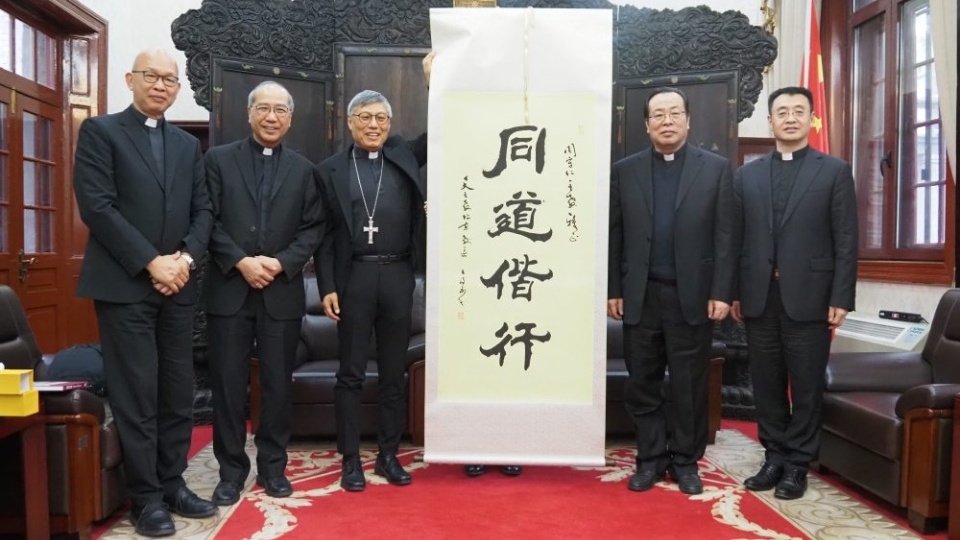
北京總教區李山主教在香港教區的訪問具有兄弟情誼和建設性。應香港教區主教周守仁樞機的邀請,11月13至15日,李山主教率領教區代表團回訪香港教區。此前,周樞機於今年4月訪問了北京教區。

據香港教區媒體的報導,李山主教衷心感謝香港的主教和弟兄姐妹促成這次交流。他說,確實感受到香港教會的發展,「讓我們收獲甚豐」。李山主教矢志汲收經驗,努力建設北京的天主教會,愈辦愈好。他也鼓勵眾人,無論遇上任何困難,仍要懷著信德,保持感恩的心,時常讚美天主。

周樞機在講話中則深切期盼,兩岸四地的天主教徒有朝一日「能夠一起相聚祈禱」。談到不久前參與的世界主教會議,樞機強調同道偕行的主角是聖神,以及香港教會在與弟兄姐妹同行中的「橋樑教會」的角色。他指出,共議乃分辨眾人的匯合點,同時正面看待分歧及其帶來的張力。

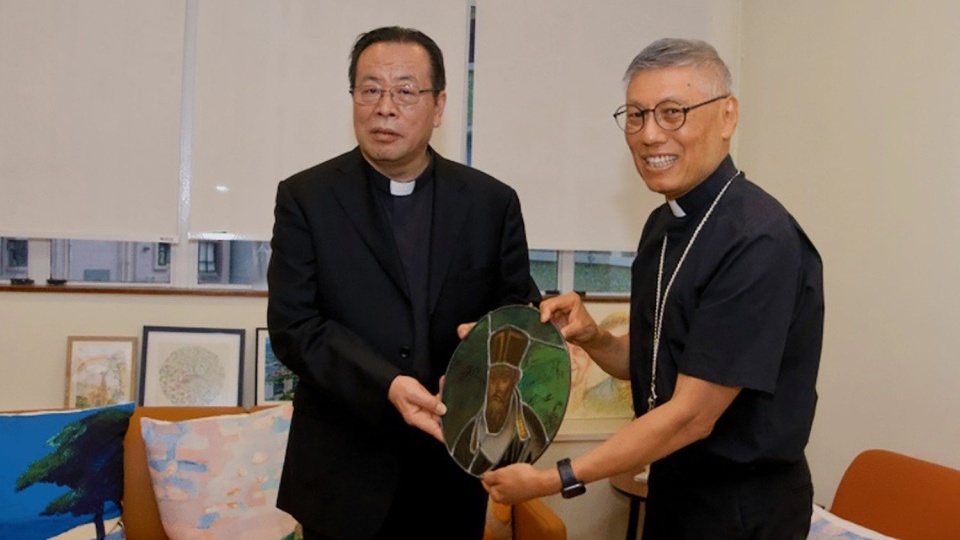
北京教區訪問團的活動始於11月13日星期一,在香港教區主教公署的小堂共同誦念晚禱。隨後,在周樞機的辦公室,雙方互贈禮物。北京主教送給周樞機一幅耶穌會傳教士利瑪竇神父的彩色玻璃畫,周樞機則送給李山主教一幅繪製在白色木板上的聖伯多祿和聖保祿像。

第二天,11月14日星期二,北京教區代表團參觀了聖母無原罪主教座堂和中華殉道聖人小堂,追念傳教士將福音傳至中華土地的恩情。當天下午,李山主教前往聖神修院、聖神修院神哲學院及聖神研究中心。

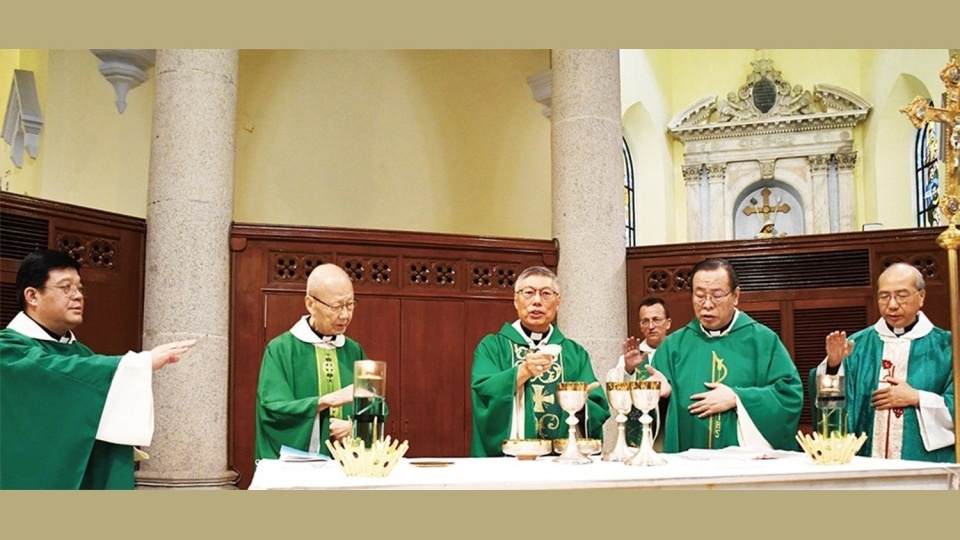
11月15日星期三,聖母無原罪主教座堂舉行彌撒。據《信仰通訊社》的消息,李山主教表示,能夠與周樞機和湯漢樞機共祭實屬難得。北京教區代表團離開香港前出席了一項神學研討會,主題為「共議同行與中國教會:共融、參與及使命」。

來源:梵蒂岡新聞網

北京總教區李山主教訪問香港教區

圖片:Vatican Media

應香港教區周守仁樞機的邀請,北京總教區李山主教率領教區代表團於11月13日抵達香港,開始對香港進行訪問。此行的目的是「促進雙方接觸與交流,以增進了解」。

北京教區訪問團當天的主要活動,是在香港教區主教公署的小堂與周樞機、夏志誠輔理主教及其他公署成員共同誦念晚禱。隨後,在周樞機的辦公室,雙方互贈禮物。李山總主教送給周樞機一幅耶穌會傳教士利瑪竇神父的彩色玻璃像,周樞機則送給李主教一幅繪製在白色木板上的聖伯多祿和聖保祿像。

第二天,11月14日星期二,北京教區代表團在教區主教公署小堂舉行彌撒後,還參觀了聖母無原罪主教座堂和教區中心。

周守仁樞機曾於今年4月17日至21日對北京教區進行了訪問。在那次機會上,他邀請李山總主教訪問香港教區。

來源:梵蒂岡新聞網

按此閱讀相關資訊


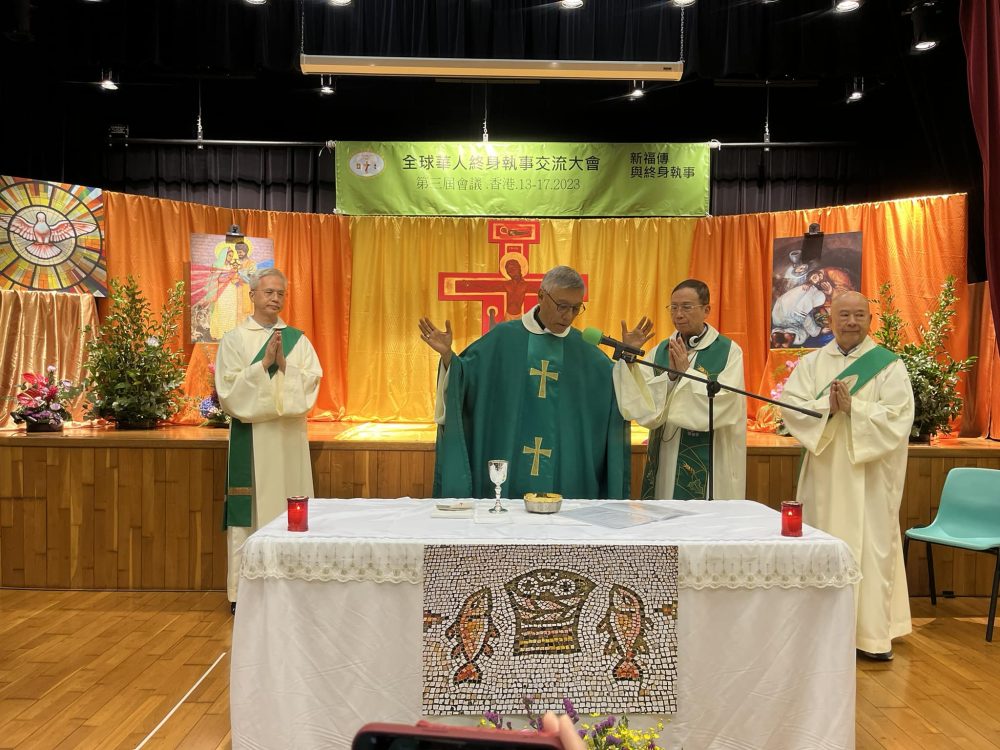
第三屆全球華人終身執事交流大會

圖片:香港教區終身執事委員會

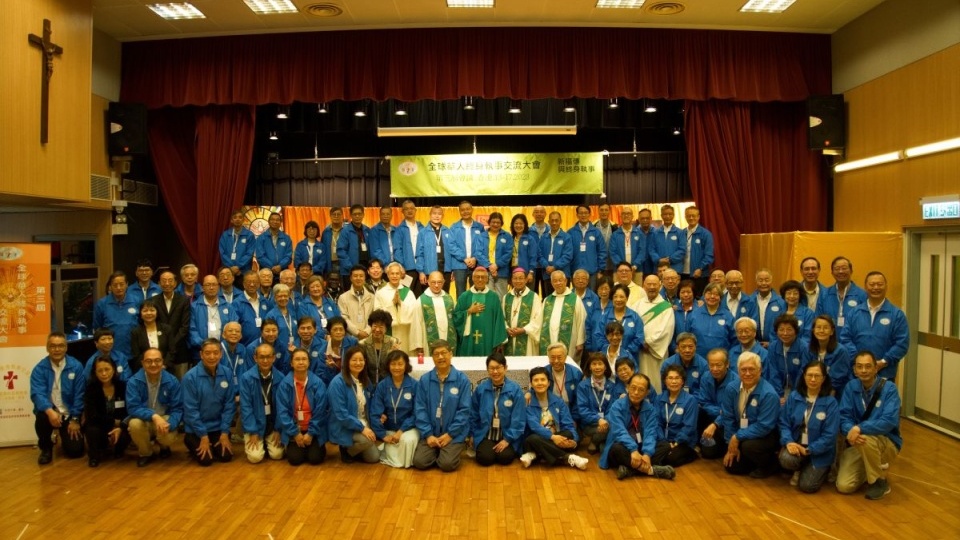
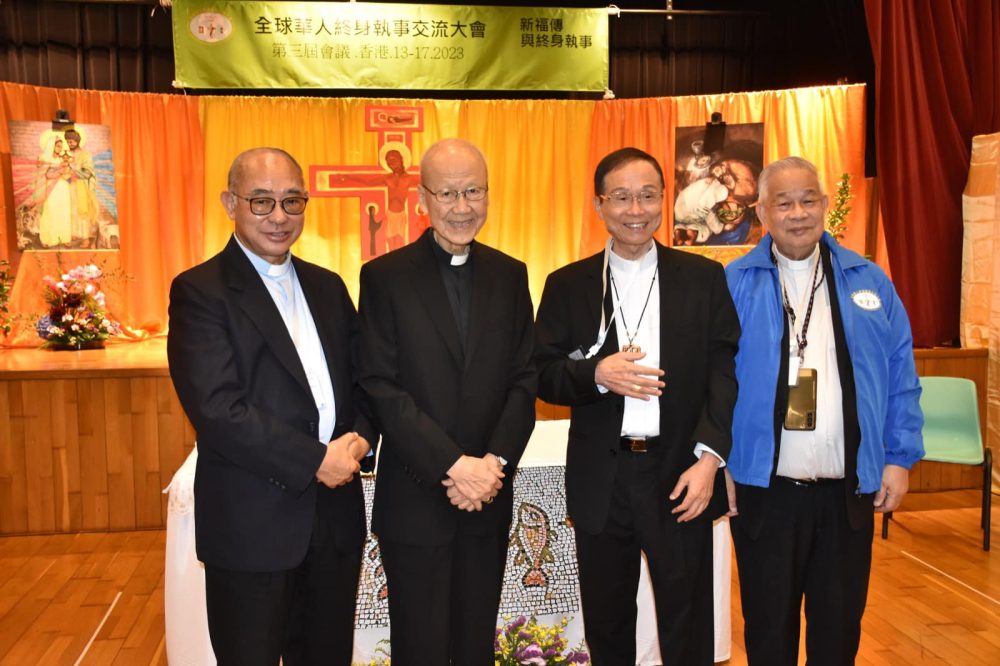
【鹽與光傳媒資訊】2013年11月,時任的天主教香港教區陳志明副主教在香港籌辦了第一屆的全球華人終身執事交流大會。5年後,2018年5月13至17日在多倫多總教區舉行第二屆全球華人終身執事交流大會,大會討論了終身執事的過去、現在及將來。2023年11月13日至17日,第三屆全球終身執事交流大會在香港「明愛賽馬會香港仔服務中心」內的社區會堂舉行,而該中心的「明愛張奧偉國際賓館」則為內地、海外的參加者及嘉賓提供住宿服務。本屆主題為「新福傳與終身執事」,目的是希望大家在新福傳的環境之下去保持傳揚福音的心火。

按此閱覽大會官方網頁

96位參加者中有來自世界不同地方的華人終身執事,包括香港、澳洲、美國、加拿大、新加坡、蘇格蘭,而嘉賓有鍾安住總主教(台北總教區)、許德訓神父(台北總教區)、金載原神父(新竹教區)、盧成珉神父(新竹教區)、陸友望神父(台北總教區秘書長)、杜貴仁神父(新竹教區)、胡坡神父(北京教區)、閻獻恩神父(北京教區)、賴貴美女士(台北總教區)、林雅玲女士(台北總教區)、姚麗英女士(新竹教區)、劉炎新神父(澳門教區)。

大會的活動包括邀請不同的講者作專題講座、小組分享、朝聖、愛德服務及外出探訪、擬定未來五年計劃等等。此外,香港教區主教周守仁樞機於大會首天主持開幕彌撒,夏志誠輔理主教則於最後一天為大會主持結束彌撒。

周樞機在開幕彌撒中向全球華人終身執事分享第十六屆世界主教代表會議「共議同行」的經驗和反省,他勉勵終身執事和他們的太太,共同回應天主的召叫和積極回應時代徵兆的挑戰。香港教區榮休主教湯漢樞機也前去會場,給予大家鼓勵和支持。

圖片:香港教區終身執事委員會

圖片:香港教區終身執事委員會

以下是香港教區終身執事委員會主席陳志明神父的分享:

懇請大家為終身執事祈禱:

全能永生的天主, 祢揀選終身執事,
在宣道、聖祭和愛德的事務上,
協助主教及從屬於主教的司鐸團,
為人群服務,作大眾的公僕。

求祢遣發聖神降臨於他們,
使他們忠實地履行使命,
尤其是信仰所宣講的,
教導所信仰的,以及實行所教導的。

上主願他們具備福音中的各種美德:
仁愛無私、關顧貧病、威信有節、
純樸良善、信守內心紀律。

願他們對教會忠貞不移,
以純潔的良心作美好的見證,
今生全心追隨你的聖子,
來日在天上與祂共享王權。

因主耶穌基督之名,
求祢俯聽我們的祈禱。
亞孟。

來源:香港教區終身執事委員會

相關節目:

Secured By miniOrange