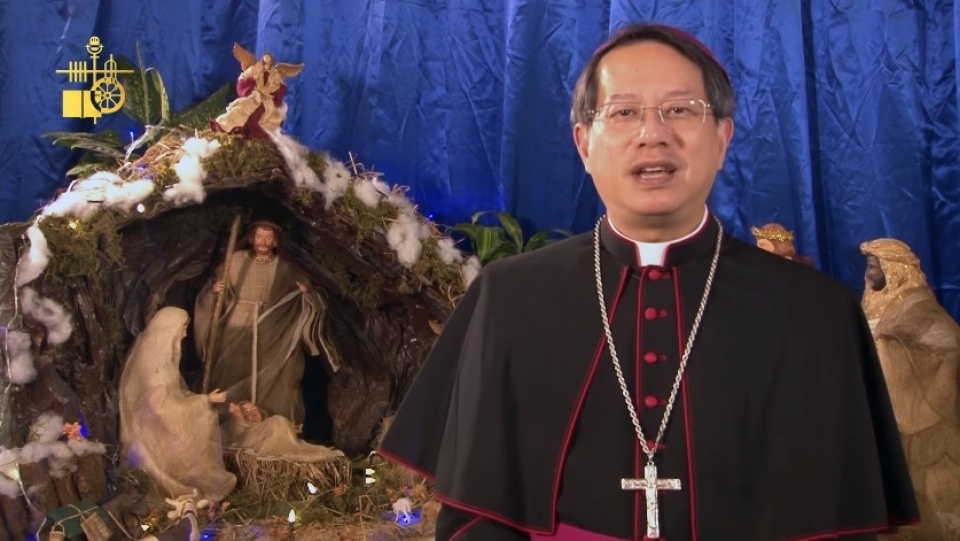
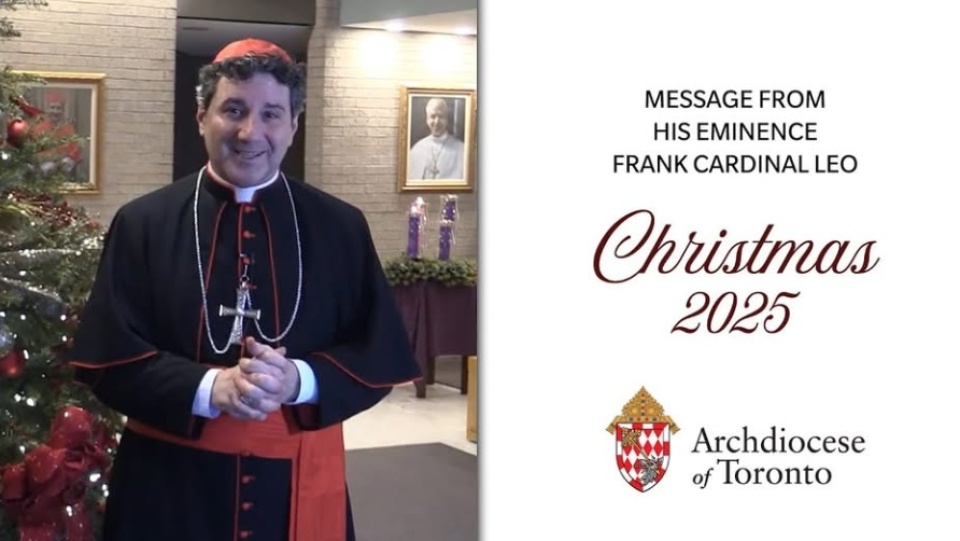
天主教多倫多總教區總主教里奧樞機2025年聖誕文告

圖片:Archdiocese of Toronto

【鹽與光傳媒資訊】2025年12月24日,天主教多倫多總教區總主教里奧樞機發布2025年聖誕文告。他強調,藉著主基督降生成人,我們與天主的關係已徹底改變,我們不再只是受造物,而是祂所愛的子女,被召分享祂的神聖生命。

天主教多倫多總教區總主教里奧樞機
2025年聖誕文告

2025年12月25日

親愛的弟兄姊妹們:

讚美耶穌基督!並向你們及你們的親人致以衷心的聖誕祝福。

每一年,救主耶穌基督的誕生,都邀請我們更深入地默觀降生奧蹟的真正意義,再次省思天主之愛的深奧,並因著耶穌的教導與榜樣,更新我們服事弟兄姊妹的方式,甚至尋找全新的途徑。

降生奧蹟的奇妙——天主在耶穌內成為人——早在九個月前,於天使報喜之時,已由總領天使加俾額爾宣告,如今則在默西亞的誕生中得以圓滿實現。正如聖史若望所深刻表達的:「聖言成了血肉,寄居在我們中間」(若 1:14)。自此,天地永遠結合,構成我們希望的根基,因為那位愛我們的天主,如今已永遠與人類結合。

今年,教會正在慶祝聖年——禧年,這是一個充滿恩寵、寬恕與更新的年份;在此背景下,白冷城的光芒顯得格外深遠而豐富意義。耶穌的誕生,可被視為第一個、也是永恆的禧年。這是天主慈悲的偉大宣告:在其中,真正的自由得以實現,寬恕洋溢充盈,人與天主的關係得以永遠修復。因此,聖誕節不僅是一個我們慶祝的節日,更是一項我們被召進入、親身經驗的奧蹟。

我們懷著希望而生活,因為白冷的事件——基督降生於我們中間——不只是溫柔的畫面,而是救贖的保證:天主的忠信有一個名字——耶穌。從馬槽到祭台,從白冷到我們的家庭、堂區與各個團體,天主的臨在並非遙遠過去的回憶,而是此時此地、真實活著的臨在。這臨在始終派遣我們作門徒、作傳教士,去宣告:「天主的救贖」——這正是「耶穌」之名的意義。

作為希望的朝聖者,我們在世界中為天主的愛與慈悲作證,並期待有一天在祂永恆的國度中,與祂永遠共融。基督徒並不是向世界提出一種新的意識形態、理論或哲學,而是揭示一個新的現實:天主與我們同在,而祂對我們的慈悲永存不息。藉著降生成人,我們與天主的關係已徹底改變,我們不再只是受造物,而是祂所愛的子女,被召分享祂的神聖生命。

「白冷」(Bethlehem,希伯來文 beit lehem,意為「麵包之家」)這個名字,為我們開啟了一條深刻的神學與靈修之路,將天主的生命、我們的生命,以及至聖感恩祭緊密相連。事實上,從一開始,那份屬於天主本體的愛,已在馬槽中取了血肉,並有一天將安放於彌撒的祭台之上。

的確,只要我們明白聖體聖事是「未來光榮的保証」(參閱《天主教教理》1402–1405),我們便能看見聖誕奧蹟在聖體中得以延續。藉著這奧蹟,我們既紀念基督首次在白冷以血肉降臨,也期待祂最終光榮的再來——這正是基督徒希望中「已然,尚未」的奧祕(參閱《天主教教理》1818)。

因此,每一次我們舉行感恩祭,希望的視野便在我們眼前敞開:始於白冷的,繼續在祭台上,並將在永恆中的天上盛宴裡圓滿實現。聖體不僅讓我們注視天主曾經來臨之處,也指引我們祂正帶領我們前往的方向。

在每一台彌撒中,那曾在聖母瑪利亞心中與胎中成了血肉的同一位聖言,如今再次臨在於我們中間——以聖事的方式。那曾被聖母懷抱的同一位耶穌,如今在謙卑的餅酒形象下,託付給我們。那曾選擇馬槽向世界顯示自己的神聖謙卑,如今並直到祂再來之前,仍選擇彌撒中的犧牲祭台。

那曾臨到牧羊人與陌生人的慈悲,如今也臨到我們每一個人。在聖體中,降生奧蹟不只是被紀念,而是被更新、被實現、被賜予眾人。那曾親近我們、行走在我們中間、教導我們的天主,如今進入我們內,藉著聖體共融居住在我們心中。聖體是天主親近不息的活標記。

當我們在堂區與團體中圍繞祭台舉行彌撒時,我們被引入與白冷馬槽前聚集的牧羊人同一個奧蹟。我們同樣帶著自己的貧乏而來——帶著恐懼、失敗、對意義的渴求、希望、夢想與最深的渴望——並發現基督正在等待我們,因為祂按著名字、親自愛著我們。

對亞西西的聖方濟各而言,馬棚成了聖所,飼槽成了生命之桌,而聖體聖事在主誕中已被預示(參閱:Thomas of Celano, Book 1 Life of St Francis, 85:469; St Cyril of Alexandria, Sermon I, Commentary on the Gospel of Luke 2:1-7)。

今年聖誕,讓我們再次為帶來和平的聖嬰耶穌騰出空間。願我們的家庭成為愛與理解的避風港;我們的堂區成為接納與關懷之地;我們的社區成為憐憫與服務的學校;而我們的心,成為轉化慈悲的帳幕。

聖言仍然成為血肉——在每一次信德的行動中、每一個愛的舉動中、每一台主日感恩祭中——並派遣我們出去,藉著彼此服務而事奉天主。

願這神聖的節期,在我們內更新那份被愛、歸屬的喜樂,並賜予我們勇氣,將這份愛分享給天主放在我們生命道路上的每一個人。願天主在這個聖誕節期,豐厚而有力地降福你們與你們的家人。

+里奧樞機

天主教多倫多總教區

25 December 2025
Message for Christmas

His Eminence Frank Cardinal Leo
Metropolitan Archbishop of Toronto

My dear brothers and sisters,

Praised be Jesus Christ and Merry Christmas to you and to your loved ones.

Each year the birth of our Saviour Jesus Christ invites us to delve deeper into the true meaning of the Incarnation, to ponder anew the mystery of God’s love, and to renew or even seek new ways to serve our brothers and sisters because of Jesus and his teaching and example. The wonders of the Incarnation – God becoming man in Jesus – were first announced by the Archangel Gabriel nine months earlier at the Annunciation and are now fulfilled in the birth of the Messiah and as St John the Evangelist describes so eloquently, “The Word became flesh and dwelt among us” (Jn 1:14). Heaven and earth are joined forever giving rise to the foundation of our hope because God, who loves us, is now united to humanity forever.

This year, as the Church celebrates a Holy Year, the Jubilee – a year of grace, forgiveness, and renewal – the light of Bethlehem shines with renewed meaning. The birth of Jesus can be seen as the first and perpetual Jubilee. It is God’s great proclamation of mercy: where true freedom is realized, forgiveness abounds, and our relationship with God is restored forever. For this reason, Christmas is not only a feast we celebrate but a mystery we are called to enter into and experience. We live in hope because the Bethlehem event – Christ being born among us – is not simply a scene of tenderness but the pledge of redemption: God’s faithfulness has a name – Jesus. From the manger to the altar, from Bethlehem to our families, parishes and different communities, God’s nearness is not a mere memory of a long-ago event, far, far away but a living presence here among us, now. And his presence always sends us forth as disciples and missionaries to proclaim, “God saves”, which is the very meaning of the name of Jesus.

As Pilgrims of Hope, we live in this world witnessing to the love and mercy of God, looking forward to the day when we will be with God forever in his eternal Kingdom. As Christians we do not offer the world a new ideology, theory, or philosophy. Rather, we reveal a new reality: that God is with us, and his mercy for us endures forever. With the Incarnation the way we relate to God has changed, we are no longer merely creatures, but his beloved children called to share in his divine life.

The name “Bethlehem” (beit lehem) literally “house of bread” offers us a rich theological and spiritual connection of God’s life, our life and the holy Eucharist. Indeed, from the beginning, the same love which is the Godhead, now lays in the manger in the flesh and would one day be placed upon the altar at Mass. Truly, the mystery of Christmas finds its continuation in the Eucharist insofar as we understand the Eucharist to be the promise of our future glory (cf. CCC 1402-1405). By this mystery we recall both Christ’s first coming in Bethlehem in flesh and anticipate his final return in glory – the “already and not yet” of Christian hope (cf. CCC 1818). As such, each time we celebrate the holy Eucharist, the horizon of hope opens before us. What began in Bethlehem continues on the altar and will be fulfilled in the heavenly banquet in eternity. The Eucharist keeps our eyes fixed not only on where God has come, but where he is leading us.

At every Mass, the same Divine Word that was made flesh in Our Lady’s heart and womb way back many years ago, becomes present to us again – but now sacramentally. The same Jesus whom Mother Mary held in her arms is now entrusted to us under the humble signs of bread and wine. The same divine humility that chose the manger to show himself to the world, chooses now and until his return the altar of sacrifice at Mass. The same mercy that came to shepherds and strangers comes to each and every one of us. In the Eucharist, the Incarnation is not just remembered but renewed, made present, and given to all. The God who once drew near to us, walked among us, and taught us, is now given to us to dwell within us in holy communion. The Eucharist is the living sign that God’s nearness endures. When we gather around the altar in our parishes and communities for Mass, we are drawn into the same mystery that gathered shepherds around the crib in Bethlehem. We, too, come in our poverty – carrying our fears, our failures, our hunger for meaning, our hopes, dreams and deepest desires – and we find that Christ is waiting for us, because he loves us personally and by name. For St. Francis of Assisi, the stable becomes the sanctuary, the feeding trough becomes the table of life, and the Eucharist is foreshadowed at the Nativity. (Thomas of Celano, Book 1 Life of St Francis, 85:469; St Cyril of Alexandria, Sermon I, Commentary on the Gospel of Luke 2:1-7).

This Christmas, let us make room again for the Child Jesus who comes with peace. Let our families be havens of love and understanding; our parishes be places of welcome and care; our communities become schools of compassion and outreach; and our hearts tabernacles of transforming mercy. The Word still becomes flesh – in every act of faith, every gesture of love, every Sunday Eucharist – and then sends us forth to serve God by serving one another. May this holy season renew in us the joy of belonging and being loved and the courage to share that love with those the Lord puts on our path. God bless you and your family abundantly and powerfully this Christmas season.

來源:天主教多倫多總教區
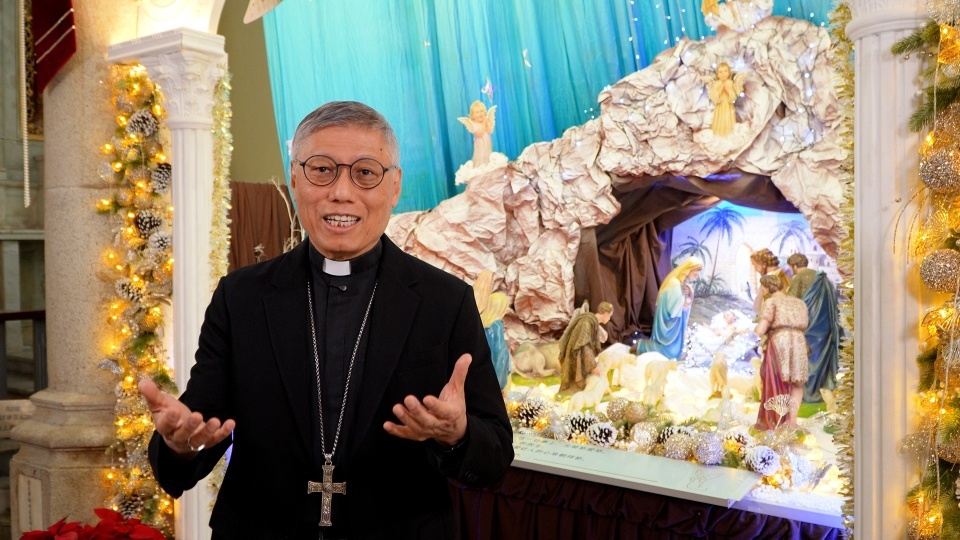
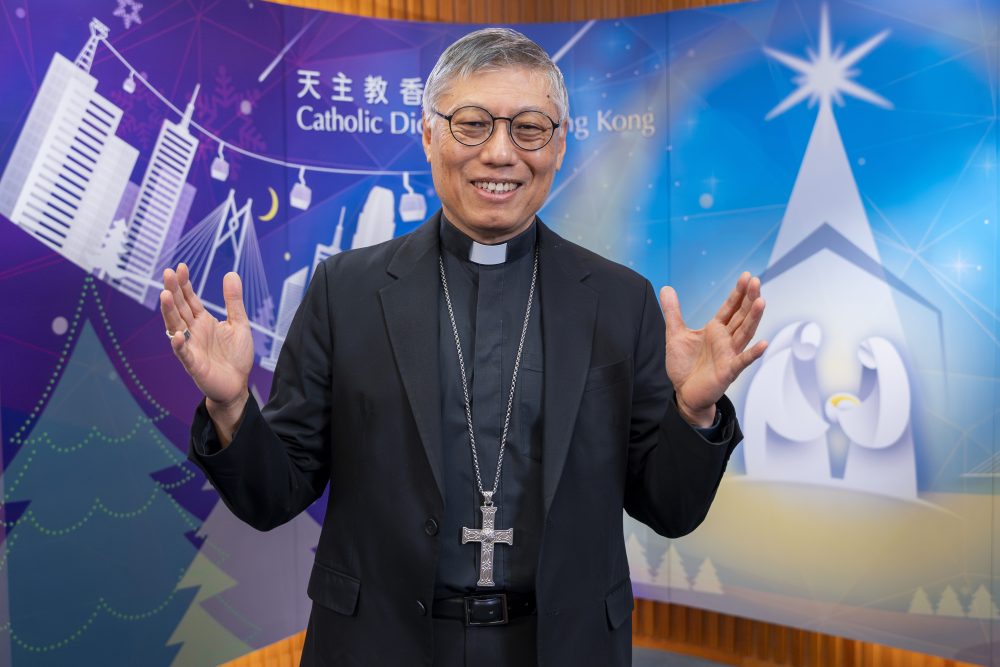
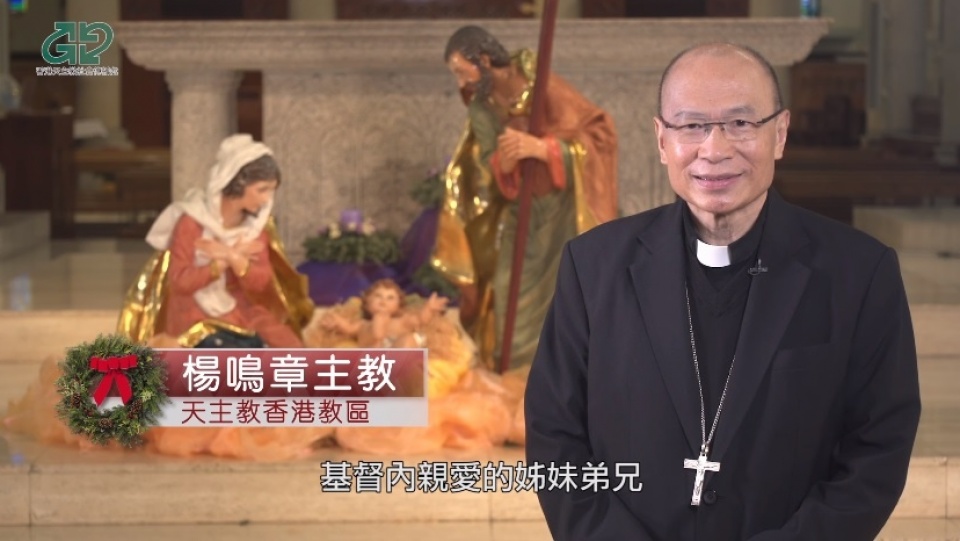
天主教香港教區主教周守仁樞機2025年聖誕文告

天主教香港教區主教
周守仁樞機2025年聖誕文告

「聖言成了血肉,寄居在我們中間;
我們見了他的光榮」
若望福音1:14

各位香港市民和朋友:

當我們開始聽到聖誕歌或收到聖誕卡時,就知道聖誕節臨近了。我們正準備迎接這個帶著喜樂和希望的重大節日。然而,最近發生在大埔的嚴重火災,再次讓我們深深意識到生命的脆弱。那麼,在我們當中許多人仍感悲傷的時候,為甚麼還要慶祝聖誕節?

聖誕節正是給我們保證,天主子成為了我們當中的一員,完全分享我們人性中的「甜酸苦辣」。天主子自此與我們緊密相連,使我們不再在看不見未來的困境中苦苦掙扎。因為聖誕節意味著我們擁有了清晰的出路, 通往嶄新而充滿希望的人生。

但世界準備好迎接這個滿帶希望的慶節嗎?戰爭的叫囂幾乎每天都在發生,導致無謂的殺戮。一些國家以極端主義對抗極端主義,形成惡性循環,看不到盡頭。世界經濟改善不足,難以讓中產和勞動階層重燃希望。諷刺的是,富者愈富,貧者苦苦掙扎卻依然窮困。雖然金融業出現了復甦的跡象,但本地經濟依然緩慢。

人性: 

天主子取了我們的人性,讓它再次尊貴起來。祂也把人類從連綿不絕的無助中拯救出來。人性既神聖又不完美。我們一定看過或讀過一些平凡人無私奉獻的事蹟,他們的英勇行為令受助者重拾尊嚴和希望。

但沒有人是完美的。我們能否容讓不完美,甚至接納不完美的實況? 因為不完美是我們人性的一部分。它們能讓我們哭泣,但也讓我們歡笑; 能讓我們憤怒,但也讓我們體恤別人;能讓我們不願去寬恕,但也讓我們渴望被原諒。這正是我們複雜人性的美。

然而,人性變得不再是肯定的價值,反而是用來嘲諷別人的不足。我們要留意,這種否定終會導致人性的自我毀滅。與其迴避對方的缺點,不如滋養自己和別人內在的美善。畢竟,天主子完全接納了我們複雜的人性,沒有拒絕它。

人工智能: 

2025年最吸引人和為人關注的新聞是人工智能(AI)。它是前景亮麗的發明,原意是要造福人群。的確,如果我們明智地運用人工智能,它能夠處理生活中的功能層面的事務,從而保護我們,促進發展。但人工智能最終會取代人類,或是取得人性嗎?

在人際關係上,人工智能的情況就不同了。例如,當我們與別人建立情感關係時,需要接受自己變得脆弱。我們會受到傷害,那可能是一而再的傷害。人工智能無法以這種方式與我們建立關係。在這方面,聖誕節告訴我們,天主子透過進入人類歷史,視我們為兄弟姊妹,也使自己變得脆弱。

當然,任何發明都帶有缺點。要處理應用人工智能的倫理困境, 從教育著手似乎是較好的選擇。如何透過跨學科課程,讓學生在受惠於人工智能的同時,也能批判地理解它對個人以至全球發展的潛在風險?

教育:

當小耶穌在納匝肋長大時,他必定接受了基礎教育, 讓他掌握必須的生活技能,了解他的猶太文化和宗教信仰,並陶成他的人格。

然而,香港的教育仍聚焦於以功利主義為導向,強調功能的幅度,仍然未轉向為以關懷和尊重去看待青年的個體性。教育本質上不是主要用來促進地區繁榮的工具,或為公職、專業服務或勞動市場等輸送畢業生。

教育的基本使命是教導孩子自我發現,而不是把他們塑造成千篇一律;培養自主,不要依賴;建立自尊,而非自誇;尊重他人,而不自我中心;樂於與他人攜手同行,而非凌駕於他人之上;渴望創造更美好的世界,而非安於現狀;培養與夥伴及他人共同建構更美好世界的能力。

在傳統的教育方式之外,還有其他的教育途徑。這些途徑或許更切合那些擁有不同學習風格、有待發掘自身才華的孩子。我們應該鼓勵這些不同的方式或途徑發展起來,讓我們的青年能夠在合適的平台上展現他們的才華。

青年: 

福音書告訴我們,耶穌特別關愛兒童和青少年。在世界某些地區,貧困青年飽受自尊低落和缺乏自信的困擾,這情況在香港亦然。出乎意料的是,來自家境較好的青年情況好不了多少。他們面對類似的問題,包括無止境的競爭。難道沒有其他與「競爭」同樣重要、甚或更重要的價值嗎? 生命和希望呢?

當途徑和機會日益收窄時,即使那些能幹的人也會感到疲倦,因為他們被迫參與由別人設計的比賽,而不是按自己的意願行事。他們習慣了生活在別人的期望和框架中,失去了主動性。我們過去常對青年說「跟隨你的心」,可悲的是,這句話已成為空洞的口號。

聖誕節是饋贈的節日。許多人都想回饋社會。他們該如何幫助青年締造希望?首先,要懷著同理心去聆聽和理解,並向青年探究,這樣才能認清如何回饋社會,該付出甚麼。我們希望他們的付出,會得到青年認同的。

香港—文化相滙與相融之處: 

香港歷來都是一座移民城市,有著跨文化性的特徵。文化間的美妙不在於衝突,而是彼此相遇時帶來的創意融合。歧視非主流文化只會傷害香港。因此,我們需要敞開胸懷,接納跨文化的動力,歡迎移民,讓他們在我們的城市蓬勃發展。小耶穌一家也曾經是移民,他們為了躲避當時統治者的死亡威脅而逃往埃及。

最後,以上提及的不同事項,都不能單靠政府的政策便能得以落實。它們需要我們的善意、積極行動和合作,要跨越意識形態和傳統框界,才能共同建構一個帶有喜樂和希望的世界。讓我們成為文化間的橋樑;為需要希望的人而成為希望的傳承者,特別在慘劇發生後這艱難的時刻;成為一個交談並同行的群體!

藉此機會,我祝願大家、我們摯愛的香港、中國以及全世界一個欣悅的聖誕和一個充滿希望的2026年!

+周守仁樞機

Cardinal Stephen Chow, S.J.
Bishop of Hong Kong
Christmas Message 2025

“The Word became flesh
and made His dwelling among us,
and we saw His glory”
John 1:14

Dear fellow Hongkongers and friends,

When we start hearing Christmas carols or receiving Christmas cards, we know that Christmas is near. We are preparing to welcome this great festival of joy and hope. However, the recent disastrous fire at Tai Po brought us once again to a keen awareness of the fragility of life. So, why celebrate Christmas during this difficult time when many of us are still saddened by the tragedies?

Christmas is here precisely to assure us that the Son of God has become one of us, sharing fully the ‘sweetness, acidity, bitterness and heat’ of our humanity. The Son of God has since been intimately connected with us that we no longer struggle without a future. For Christmas means that we have a clear way out to a radically new and promising life.

But is our world ready to welcome this hope-filled festival? There are still war cries leading to senseless killings almost every day. Nations are applying extremism to counter extremism, creating a vicious cycle that shows no signs of ending. The world economy is not yielding sufficient improvements for the middle and working classes to become hopeful. Ironically, the rich continue to get richer while those struggling become poorer in their struggles. The local economy is still lagging, even though there are signs of recovery in the financial sector.

Humanity:

The Son of God takes on our humanity to make it noble once again. He also rescues humankind from our unending helplessness. Humanity is both sacred and imperfect. We must have seen or read about some altruistic acts by ordinary people that enabled their beneficiaries to, once again, live with dignity and hope through their heroic deeds.

But no one is perfect. Can we allow imperfections or even appreciate them for what they are? For imperfections are integral to our human nature. They can make us cry, but also laugh; angry, but also sympathetic; unforgiving, but also yearning for forgiveness. This is precisely the beauty of our complex humanity.

But humanity is becoming less of an affirming value than a cynical remark on the shortcomings of others. We should be aware that such a denial will lead to the self-destruction of humanity in the long run. Rather than eschewing each other’s imperfections, it is better to nourish the goodness in ourselves and in one another. After all, the Son of God has fully embraced our complex humanity, not rejected it.

Artificial Intelligence:

The news that has sparked high levels of enthusiasm and concern in 2025 is Artificial Intelligence (AI). It is a promising invention, supposedly for the good of humanity. It is true that AI can take care of the functional aspects of life, which is for our protection and development, if we use it wisely. But can AI ever replace or assume humanity?

It is a different scenario for AI when the focus is on human relationships. For example, when we enter into an affective relationship with another person, we need to allow ourselves to become vulnerable. We can be hurt, and probably more than once. AI cannot relate to us in that manner. Again, Christmas tells us that the Son of God has made himself vulnerable by entering our human history, calling us his sisters and brothers.

Of course, no invention is without drawbacks. To address the ethical dilemmas of applying AI, starting with education appears to be the better option. How can an inter-disciplinary curriculum prepare our students to benefit from AI, while critically understanding its pitfalls for personal to global developments?

Education:

When little Jesus was growing up in Nazareth, he must have received a basic education that equipped him with essential life skills, knowledge of his Jewish culture and religious faith, and the formation of his personhood.

However, education in Hong Kong has yet to shift its focus from functionality underscored by a utilitarian emphasis to a loving respect for the individuality of our young ones. Education should not be taken as an instrument that essentially serves the territory’s prosperity by providing young graduates for civil services, professional services, or the labour market, etc.

The essential mission of education is to teach children for self-discovery, not to be molded like the rest; to foster self-agency, not dependence; to build self-esteem, not boastfulness; for respect for others, not self-centeredness; for willingness to reach out and walk with others, not lording over them; to cultivate a deep desire for a better world, not to be sedentary in their own comfort zones; and to nurture a capacity to co-construct a better world with their peers and others.

There are other educational pathways besides the conventional way. These may be more suitable for children who thrive on different learning styles and have gifts yet to be discovered. We should encourage these different pathways to shine out so that our young people can celebrate their gifts on suitable platforms.

Young people:

Jesus, as we know from the Gospel, has a soft spot for children and youth. Underprivileged young people are struggling with low self-esteem and weak self-confidence in some parts of the world, including Hong Kong. Ironically, young people coming from better-off families are not faring that much better either. They, too, are suffering from similar issues, including constant competition. Are there no other values that are equally or more important than being competitive? What about life and hope?

When the pathways and opportunities are narrowing, even those who are capable are getting tired because they are being forced to engage in someone’s game rather than their own. They are well conditioned to live in other people’s expectations and frameworks, leaving little initiative in them. We used to say, “follow your heart” to our young people. Sadly, it has become an empty slogan.

Christmas is a time of giving. There are individuals who want to give back to society. How can they help create hope for our young people? First, listen empathically, understand, and learn from the young ones before they can identify how and what to give back. We hope that their giving back will be truly appreciated by our young people.

Hong Kong — where cultures meet and fuse:

Hong Kong has long been a city of migrants where inter-culturality is its hallmark. The beauty of cultures lies not in clashing but in creative fusions as they encounter one another. Discriminating against cultures other than the conventional ones will only hurt Hong Kong. Hence, we need to open ourselves to intercultural dynamics and welcome migrants so they can thrive in our city. Jesus and his family were migrants when they escaped to Egypt from the death threat ordered by their ruler of the time.

Finally, none of the above can be achieved with government policy alone. They require our goodwill, initiatives and collaborations beyond ideological and conventional boundaries, so that they can contribute to building a joyful and hopeful world. Let us be bridges among cultures, messengers of hope to those who need hope, especially during this difficult time after the tragedy, and a community that dialogues and journeys together!

I take this opportunity to wish you, our beloved Hong Kong, China and the world a joyful Christmas and a hope-filled 2026!

+ Stephen Cardinal Chow, S.J.

來源:天主教香港教區

天主教香港教區主教周守仁樞機2024年聖誕賀辭

圖片:香港天主教社會傳播處

聖誕節和新年是希望、愛、和平與夢想的時刻 !
+
天主教會將慶祝 2025 禧年

「期待所希望的幸福,和我們偉大的天主及救主耶穌基督光榮的顯現。」 (弟鐸書 2:13) 

在我們現今的世界,希望似乎比以往更難獲得。隨著全球和地方經濟的復 蘇慢於預期,世界多處地區的戰爭哀號更趨強烈,地緣政治日益緊張,達致功能失調的心理健康問題增多、特別在青少年和長者組別,令人沮喪的關係貧窮,具破壞力的零和競爭,以及自然生態的黯淡前景。 

就是在這些令人沮喪和焦慮的現實當中,我們仍再次等待聖誕帶來的喜樂 和希望。明白聖誕節原意的人都知道,它不是世俗的商業慶節。聖誕是愛 的慶節,永遠愛著我們的天主派遣祂獨生子與我們一起走人世路,直接介 入我們人類的歷史之中。聖誕的救贖目標,是要向我們展示上主那無疆界的慈愛。 

上主的愛為祂與人之間帶來了寬恕與修和。因此,那些經驗過而又接受這 愛的人們,可以帶著明確的希望去面對生活中的挑戰和失望。這不是隨意 的一種希望,而是在今生、以至今生以後,對上主堅懈不屈和永恆的愛的 希望。是的,天主的兒子,我們的厄瑪奴耳的到來,是要給世界這個保證、尤其是當希望看似漸趨渺茫的時候。 

天主教會將慶祝 2025 禧年。事實上,禧年是每 25 年慶祝一次。這次禧年 的主題是「希望的朝聖者」,因為「望德不使人蒙羞」(羅馬書 5:5)。 我們要記得人人都只是過客;沒有人能夠永遠地活在這世上。讓我們感到 安慰的是我們相信自己正在通往另一生命,將會在永恆中與我們慈愛的創 造主、我們所愛的人、以及那些愛我們的人團聚。 

聖誕節讓我們經驗到上主慈愛的應許。因此我們朝聖者可以懷著希望,以不同的步伐甚至不同的模式,與生命和愛的源頭一起邁步,走向永恆。 

因此,透過我們的意識中的這種愛與希望,可以把愛帶到不同的團體裡 去。我們要強化這希望,它不會讓我們愛的人、跟我們合不來的人、以至 為我們是陌生的人感到失望,尤其是那些在不同的社會邊緣掙扎、感到無 用和被遺棄的人。 

我們會想到那些在戰亂地方掙扎求存而承受著似是無盡折磨的人們、那些為尋求具尊嚴的未來的流離失所者和難民、那些期待新生活的在囚人士、那些因看不到穩定前景而不敢生兒育女的夫婦,那些看不到可信的理由讓他們勾劃出希望的未來的青年,那些孤獨和被遺棄的長者,那些在醫院內 感到寂寞的病人。 

禧年有一個別具意義的傳統,就是寬免那些永遠無法償還、或未能完全償還的債務,讓借債人有機會開展新生。我們相信所有人都在分享共同家園 裡的眾多資源,這意味著我們需要學習公正和互相依存地生活,以提高整 體的生活質素,或最低限度要共存下去。這個「我們」必須包括構成共同 家園的其他生命。 

當我們能幫助疲弱的一方健康壯大起來,讓我們一起擁有更美好的現在和充滿希望的未來時,這便符合我們以至後代的最佳利益。公義不是透過報 復、而是藉著同理心,讓有關各方能攜手共建新的現實所達致的。這是否 太過天真、不切實際呢?不,才不是,這為我們共同的未來是必須的。 

我們要懷著希望去面對本地和全球的經濟、關係 —— 特別是那些受苦於 關係貧窮的人、政治穩定與和諧,以至生態環境的健康。為我們在香港這 個家生活的人來說,一定要鼎力支持香港。大家以慈愛相待,特別是對青 年、長者、移民和旅客,香港可望成為充滿希望、愛和生命的充滿活力之都! 

最後,聖誕節和新年是希望、愛、和平與夢想的時刻!沒有希望和夢想, 就沒有更美好的未來。尤其是為我們的年青人來說,我們需要與他們同行,為他們具創意的希望和夢想加添力量。 

祝大家和我們的共同家園有一個歡樂的聖誕和充滿希望的 2025 年。

+ 周守仁樞機


Christmas and the New Year are a time
for hope, love, peace, and dreams!

+
The Catholic Church to celebrate
the Ordinary Jubilee of the Year 2025!

“We await the blessed hope, the appearance of the glory of our great God  and saviour Jesus Christ.” (Titus 2:13) 

Hope seems harder to come by in our world today. With the slower-than expected recovery of global and local economies, there are growing war  cries in different parts of the world, increasingly tense geopolitics, rising of dysfunctional mental health problems, particularly among the younger and  elderly populations, depressing relational poverty, devastating zero-sum competitions, and a darkening outlook of the natural ecology.  

Even within these depressive and anxiety-provoking realities, we await  once again the promise of joy and hope of Christmas. Those who  appreciate the original meaning of Christmas should know that it is not a  secular commercial feast. It is a feast of love through the direct  intervention of the ever-loving God into our human history. This was made  possible by sending God’s only Son to journey with us. Its salvific objective is to show us the compassionate love of God that knows no bounds.  

This love of God brings forgiveness and reconciliation between God and  humanity. For those who have come to experience and accept this love  can, therefore, face challenges and disappointments in life with definite  

hope. Not just any hope, but a hope for the unyielding and eternal love of  God, both in this life and the life after. Yes, the coming of the Son of God,  our Emmanuel, is to give the world this assurance, especially when hope  seems ever dimmer.  

The Catholic Church is to celebrate the Ordinary Jubilee of the Year 2025.  The Ordinary Jubilee, in fact, occurs once every 25 years. The theme of this  Jubilee Year is “Pilgrims of Hope,” for “Hope does not disappoint” (Romans  5:5). We are reminded that everyone is only a sojourner; no one can live forever in this world. It is consoling when we believe that we are on our way  to another life, reuniting with our loving Creator in eternity, our beloved  ones, and those who loved us.  

Christmas allows us to experience this loving promise of God. Because of that, we can have hope, as fellow pilgrims, to journey together towards eternity with the Source of Life and Love, though at different paces and even in different modes. 

Therefore, with this love and hope in our consciousness, we can help  bringing love to our communities. We need to reinforce this hope that does  not disappoint those we love, those with whom we have di[iculties, and  those who are strangers to us, especially those who are struggling in the social margins, feeling unwanted and abandoned.  

We can think of those who are struggling in war zones with seemingly  endless torment, displaced persons and refugees looking for a dignified future, prisoners waiting for a new life, married couples who cannot see a  su[iciently stable future for childbearing, young people who fail to identify convincing reasons to envisage a hopeful future, the elderly who are lonely  and abandoned, and those who are sick and lonely in hospitals.  

The one meaningful tradition of a Jubilee Year is to forgive the debts of  those who will never be able to repay or repay fully, so that they can have a  chance to restart their lives anew. We believe all of us share many  resources of our Common Home, which means we need to learn to live justly and inter-dependently in order to enhance the overall quality of life or  our mutual survival at the least. This “we” must include other life forms  constituting this Common Home.  

It is in our best interest, and that of future generations, when we can help  the weaker parties to become stronger so that together we can have a better present and a hope-filled future. Justice is better not sought through  vengeance but through empathy so that all the parties concerned can co construct a new reality hand-in-hand. Is this not too naïve and unrealistic?  No, it is not, but a must for our collective future. 

We certainly need to have hope in the economy, both locally and globally,  in relationships, especially for those su[ering from relational poverty, in  political stability and harmony, and in the health of the ecology. For those  of us living in Hong Kong, which we call our home, it definitely needs our  utmost support. Together with lovingkindness to each other, especially towards young people, the elderly, migrants, and visitors, Hong Kong will  shine as a vibrant city filled with hope, love, and life! 

Finally, Christmas and the New Year are a time for hope, love, peace, and  dreams! Without hope and dreams, there will be no better future.  Especially for our young people, we need to walk alongside them and  empower their creative hopes and dreams. 

A joyous Christmas and a hope-filled 2025 to you all and our Common  Home!  

+ Cardinal Stephen Chow, S.J.

來源:香港天主教社會傳播處

天主教香港教區周守仁主教 聖誕賀辭2021-厄瑪奴耳

天主教香港教區
周守仁主教
聖誕賀辭2021
【厄瑪奴耳】

2021 幾年前,當我們仍可乘搭飛機在空中來去自如時,我有一次前往菲律賓參加退省。當時是九月,可知道我在當地商場聽到和看到甚麼嗎? 聖誕歌、聖誕燈飾!我問,九月 迎接聖誕是否早了一點,他們回答說:「才不。」任何引起消費者購買意欲的方法,都有利當地經濟。

我熱切期待聖誕節嗎?你們呢?當全球各地仍然受到疫情困擾時,假若我們仍然以歡 度俗世節日的方式,去慶祝聖誕節,當然不容易。

然而,聖誕節為我們基督徒來說,是要慶祝「厄瑪奴耳」—— 天主與我們同在(瑪一 23),那就是,天主直接介入,讓天主子降生成人,與我們同在。

天主決定派遣祂的兒子來到世界,告訴世人祂多麼親近我們,鍾愛我們。禮物不能夠完全表達緊密關係和鍾愛。要更好地表達這些關係,我們便得樂意「浪費」時間去陪 伴我們所愛的人,不計成果。付出時間去「陪伴」他們,以同理心去聆聴他們,感受他們所感受的,與他們一起慶祝成就和失敗,為他們指出由天主而來的希望和愛。

我們蒙受邀請,透過陪伴有需要的人,去成為天主的傳訊者。這些有需要的人,可以是我們鍾愛的人、特別是青年,以及那些感到無助、孤獨或失意的人,那些受情緒困 擾而掙扎求存的人,那些等候寛恕和修和的人,這份清單還可以繼續下去。

各位朋友,在這聖誕節和即將來臨的新一年,可以肯定地說,因著天主的緣故,我們可以付出更多。願天主「厄瑪奴耳」的祝福,在這聖誕節和 2022 年,常常伴隨著你們 和你們鍾愛的人。

英語版 English Version


來源:天主教香港教區

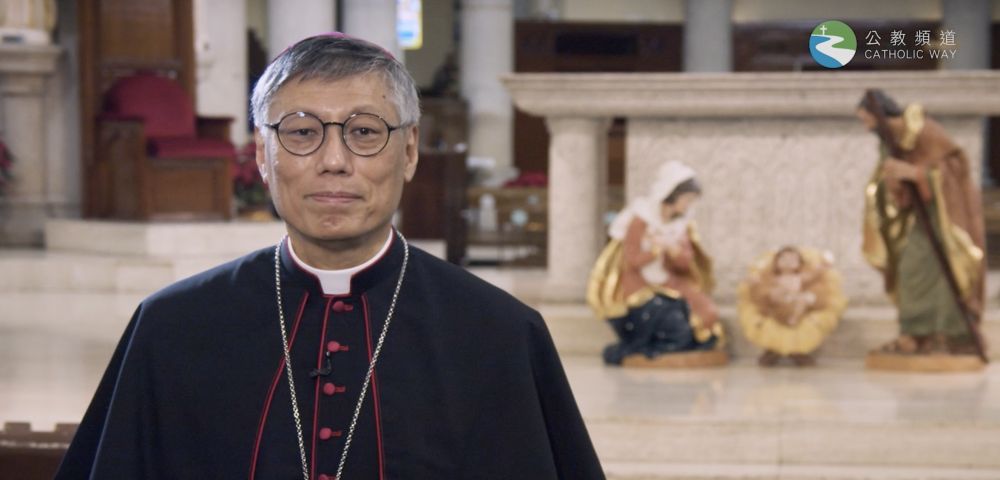
【在黑暗中照耀的光】:夏志誠輔理主教聖誕訊息分享

夏志誠輔理主教聖誕訊息分享
【在黑暗中照耀的光】

各位兄弟姊妹,聖誕節來了!

聖誕節慶祝——大家都知道——就是天主降生成人,耶穌基督的誕生。他誕生於甚麼時代?可以說是一個黑暗的時代;羅馬帝國以血腥、暴力、強硬的手腕,統治地中海大大小小的民族。在猶太人地區,情況更加悲慘,因為地方政府——羅馬帝國是中央政府——地方政府的首長是黑落德,大黑落德,他是一個多疑的統治者,整日擔心這裡不安全,那裡不安全。所以在他的統治下,人民充滿著恐懼。不過猶太人本身,在猶太人的社會中,亦有很多不理想的地方,只顧爭拗教義、禮節、安息日應怎樣遵守、有些事情是否可以做。在這些事上爭拗不休。所以說,耶穌誕生在一個甚麼時代?可以說是一個黑暗的時代、很不開心的時代。不過他本身就是光明,耶穌帶來光明,不單止,因為他的出生就是光明,他就是那在黑暗中照耀的光。

黑暗使人怎樣?使人覺得很孤獨,看不到其他人,很無助,一個人。但是聖誕節慶祝甚麼?天主降生成人,來到我們中間,做我們的同伴,體諒我們的艱難、困苦,憂苦與共,一齊走人生的路。耶穌在各方面跟我們相似,只是並沒有罪過。因此,我們真的有一個同伴,因為這一位神,這一個人,他完全明白我們做人的艱辛、困苦,所以我們不再孤獨。聖誕節,如果我們明白當中的意思,我們便能夠衝破這孤獨的黑暗,因為我們有同伴,人生路上有同伴。

黑暗除了使我們感覺孤獨,也使我們覺得自己很沒用,因為甚麼都做不了,週圍黑漆漆,可以做甚麼呢?甚麼也做不了使我們覺得自己很沒用,質疑自己的價值,很無奈,好像要承受這一切。但不是的,天主降生成人,因何降生成人?不是因為我們做了甚麼,抑或我們有甚麼成就,而是因為我、因為我們,我們就是祂所愛的兒女。所以聖誕節慶祝甚麼?無錯,我們好像直接上是慶祝天主降生成人,但其實通過這樣的慶祝,也為我們自己慶祝,我們在天主眼中原來如此有價值,我們不是沒用的,我們所是遠遠超過我們所做。各位兄弟姊妹,在黑暗中我們有光,我們看到自己的價值,我們不是沒用的。

黑暗不單使我們覺得孤獨,不單使我們覺得沒用,也使我們看不到前路,沒有希望。是啊,黑漆漆,怎能看到?不知走往何方。但是各位兄弟姊妹,祂就是道路、真理、生命。聖誕節就是慶祝耶穌降生成人,他怎樣做人,他怎樣走了人生的道路,也就是我們要走的路。或許我們不能看得很遠,看著一步還一步,亦步亦趨跟隨祂,我們便懂得走,我們便會有希望。不做天主的天主,在聖誕節到來,為了我們而成為人,教我們怎樣做人,做人是怎麼一回事。

各位兄弟姊妹,這就是在黑暗中照耀的光,依撒意亞先知書9章1節,我非常喜歡的一節,他告訴我們:「在黑暗中行走的百姓看見了一道皓光。」沒錯,我們見到光明,雖然仍有黑暗,黑暗並沒有被拿走,但我們有光。所以我們知道,我們並不孤獨,我們的真正價值,以及我們是有希望的。

各位兄弟姊妹,聖誕快樂!

來源:香港天主教正義和平委員會

相關資訊

【在黑暗中照耀的光】:周守仁主教聖誕訊息分享

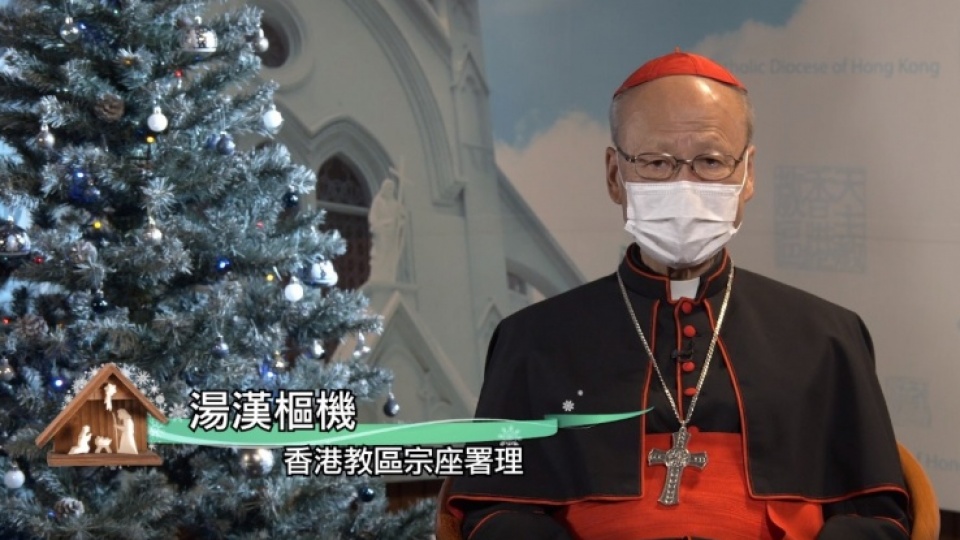
天主教香港教區宗座署理湯漢樞機聖誕賀辭2020

各位朋友:

2020年是艱苦的一年。因為疫情,大家必須保持社交距離,影響了人與人之間的關係及互動方式,影響了我們的日常生活。

被動的等待疫情過去並不恰當。在這個數碼文化的年代,我們必須運用嶄新的思維方法應對。數碼年代的空間、語言、習慣等概念正在轉化我們,特別是年青的一代。我們必須善用資訊科技面對挑戰,與其他人保持聯繫。

聖誕節提醒我們「聖言成了血肉,寄居在我們中間」(若1:14)。天主用之不竭的恩寵,激發人心中崇高的願望,推動平等友愛。

天主的愛,讓人通過對話,締造和平團結,更讓人關注整個大地的創造。

為了防範疫症傳播,戴上口罩,已成了日常生活的一部分。但是,在口罩背後的,仍然是我們的兄弟姊妹。口罩儘管遮擋了臉上的笑容,但不會阻擋我們對其他人的關懷。

聖誕期間,大家不要忘記聯絡一下朋友、家人,從心出發,祝福他們常懷平安喜樂。

我們不知道艱苦的抗疫日子要到何時才結束,但是,倚仗上主的恩寵,大家互相扶持,一定可以走出陰霾。

願上主的愛與平安與大家同在。聖誕快樂!新年進步!

Dear friends,

The year 2020 has been a difficult one.  The pandemic social distancing regulations have changed how we interact and relate to each other.  All these interfered with our daily lives.

Waiting for the pandemic to be over is too passive.  We must adopt a new way of thinking and acting in the context of the digital culture.  The concepts of space, language and behaviour are transforming us, particularly among the younger generation.  We have to face all the challenges and make good use of information technologies to have contact with other people.

Christmas recalls “the Word became flesh and dwelt among us” (John 1:14).  God’s inexhaustible grace stimulates every heart with sublime ideas of equality and friendship.  His grace calls for a commitment to peace-making and a dialogue of solidarity across all nations. It also calls for a universal concern for creation.

To wear a mask because of caution is now a fact of our daily lives.  And behind the mask is the face of a brother or sister.  While smiles on the face may be blocked by the mask, the care from our heart is never blocked.  Therefore, this Christmas, don’t forget to reach out to friends and the family, and wish them peace and joy from our caring heart.

We do not know how long this difficult pandemic days will last.  With God’s grace, we will sail through the rough waters.  Let us stand by each other.

May the Love and Peace of the Lord be with you always!  Merry Christmas and Blessed New Year!

來源:香港天主教社會傳播處

澳門教區李斌生主教2017年聖誕節文告

在這段將臨期的日子, 走在澳門的街道上,除了五光十色的聖誕燈飾,也許大家會留意到一些大大小小,精心設計的馬糟,雖然它們或許已成為聖誕裝飾之一, 但對於我們基督信徒來說, 它真有特別的意思。我很高興知道教區一些組織, 正推行在家庭建造馬槽,或教友拜訪教堂馬槽的活動, 旨在重現基督降生成人的偉大奧蹟,鼓勵我們懷抱希望,預備我們的心靈,以望德一步一步迎接那無比歡悅的聖誕佳節及新的一年開始。

相信你們已知道, 教宗方濟各在本年年初宣佈在2018年10月將召開以「青年、信仰和聖召辨別」為主題的主教會議。教宗心繫青年人的福祉,透過富於慈悲的天主,邀請年青人來跟隨耶穌基督所預備的,充滿美善的道路。

大家亦記得去年「慈悲禧年」所帶給教會豐厚的恩寵,和今年我呼籲在這教區內推動教宗方濟各提出的「慈悲的文化」(參《慈悲》20 ),特別著重於修和聖事的認知和實踐。我希望明年能繼續深化這「慈悲的文化」,更能把這關懷特別擴展到年青人,我們有必要促進家庭內的更新,努力應對年青人面對的各種顧慮、需要、問題和傷害。當今世界變化萬千,問題也不容易解決,誠如教宗所說:「……為成年人來說,若要耐心聆聽他們、體諒他們的顧慮和要求、用他們能理解的語言來交談,確不容易。」(《福音的喜樂》105)

其實教宗早在去年發出的通諭《愛的喜樂》中已經一再重申維護家庭完整,以修和及共融的目標循序漸進:對年長的要接納,對年輕的要聆聽。「在我們的社會,缺乏歷史回憶是個嚴重問題……我們應認識過去並作出回應,只有這樣才能締造有意義的未來。若沒有記憶,就不能教導……。長者的故事對孩子和青年很有助益,因為這些故事使他們與家族的歷史,以及社區和國家的歷史連繫起來……。憶念過去的家庭是有未來的家庭。」(《愛的喜樂》 193)。

面向年青的人的幅度,教宗告訴我們,避免過分「偏執」是聆聽子女心靈需求的開端,也能教導子女們明辨心志。教宗說:「如果父母執著於要知道他們的子女身在何方,想控制子女所有的行動,那麼他們只是在試圖掌控空間而已……最重要的是以豐富的愛,幫助子女展開學習的過程,培育他們成熟地運用自由,並培養真正的獨立自主,作好準備,邁向健全的成長……。重要的問題不是: 子女到底人在何方?他們此刻與誰作伴?而是我們應了解他們在人生旅途上處於什麼位置,以及他們在信仰、目標、期盼和人生計劃方面,有什麼想法。因此,我要問為人父母者:『你們是否嘗試了解子女在人生旅途中,身處『何方』?你們知道他們的心靈狀況嗎?最重要的是,你們是否願意了解?』」(《愛的喜樂》 261)

我親愛的年青人,「要建立一個更美好的世界需要你們的努力、也需要你們有改變世界的願望和慷慨大方。」(教宗方濟各《致青年信函》)你們若想改變世界,首先還是要從你們的生活,你們的家庭開始。你們有沒有像教宗對你們的規勸一樣,時常抽空探望你們年老的祖父母?有沒有關心你的家人今天過得開心嗎?有沒有留下時間陪伴他們嗎?同樣地,做父母的亦要時常以愛德為本,在忙碌的工作中亦要多關心子女。因為我深信,透過樹立正確的榜樣能夠把青年人內心重要的價值觀轉化為健全和穩定的外在行為。

基於以上的體察,在新的一年的牧民工作中,我呼籲所有教區內的牧民團體和機構,包括堂區、教區委員會、善會、牧民中心、修會等,都以「慈悲的文化:青少年和家庭的修和與共融」為方針,具體的邀請青少年和他們的家人參與策劃、研討等活動,共同開始推動在家庭中的慈悲、仁愛和喜樂的文化。

我懇切祈求那被天主所眷愛的納匝肋聖母瑪利亞的轉禱,我們主耶穌基督的喜樂、平安和祝福,在這聖誕節和2018年新的一年裡,降臨到你們身上。


+李斌生主教

天主教澳門教區

下載全文

來源:天主教澳門教區

香港教區楊鳴章主教2017年聖誕賀辭

基督內親愛的姊妹弟兄:

「有一嬰孩為我們誕生了,有一個兒子賜給了我們。」(依9:5)

聖誕是一個生命的慶典、家的慶典。天主給我們最大的恩賜,就是將自己的生命,以兒子的形式,接受了人的軀體,誕生在一個家庭中。降生成人的奧跡,顯示了全能的創造主,來到我們當中,竟然像一個孤獨無助的人,要敲瑪利亞和若瑟的門。幸好祂被接納了,基督耶穌有了一個家。可是,是他被接納了,還是瑪利亞和若瑟首先被天主接納了?

我們所收到的聖誕賀卡,不管是從哪裡來的、郵遞或網絡下載的,常常給人一種只有安靜祥和的錯覺,沒有描繪出嬰孩是會啼哭的、從未懷孕過的少女必有初為人母的忙亂、仗義的若瑟一定需要奔走張羅。事實上並非如此;真正的喜悅,常常是通過共同承擔困難與考驗後才能彰顯,而家庭正是構建這份喜悅的田園。

人人都希望被愛和被接納,包容和肯定的家庭關係帶給我們愛和歸屬感。對每個人而言,家庭就是生命與愛的搖籃,是出生和成長的地方。人之能信守承諾、肩負重任,主要是來自家庭教育。家庭是我們來到世上的第一所學校,是一種培育豐富人性的學校(梵二《牧職憲章》#52),我們在這裡,通過實踐,學習到真理、生命與家的價值、愛與正義的重要。

我深深體會到,尤其在今日的香港,對年輕的一代而言, 要成立家庭,需要付出何等的勇氣和慷慨,面對多大的挑戰, 才能感謝迎接主,作客他們家中。我因此向他們真誠致意。教宗方濟各說:「一家人生活的空間,可成為家庭教會,作為舉行感恩祭的場地,讓基督臨在,同坐一席。」(《愛的喜樂》#15)

生命常有跌宕,建築在磐石上的家,可以經得起考驗, 儘管面對困難,仍然有信心和希望。我祝願每一個家庭都能建立在基督的愛上,在慶節的歡樂過去後,在煩鬧爭執聲與憂慮中,仍有耶穌、瑪利亞與若瑟所組成的聖家,恆在你身旁佇立守護。

祝願你們家庭中的每一位,不論年長年輕,都滿懷基督聖誕的喜樂與平安。

+楊鳴章
天主教香港教區主教

下載全文

來源:天主教香港教區

天主教澳門教區李斌生主教2016年聖誕文告

回到天父的懷抱

當我們凝望和默想那位躺在馬槽裡的嬰孩耶穌的面容時 – 那位原是全能的天主,是至尊的君王,如今竟取了一個手無寸鐵的嬰兒形體 – 我們就是以個人和整人類集體的方式去經驗和見證天主的慈悲。沒有什麼比人類更需要上主神聖的慈悲。這份愛是仁慈的,充滿同情心的,並能超越人類的弱點,將人類舉揚到天主聖潔那無限的高度。

讓我在這裡節錄教宗方濟各在宗座牧函 “Misericordia et Misera”《暫譯:慈悲與不幸的罪人》中的一些語錄及概念:「我們剛剛慶祝了一個熱熾的禧年。在這個禧年當中,我們獲贈了豐碩的慈悲之恩寵…」儘管禧年已經完結,聖門亦業已關閉,但是教會已經開始了一個嶄新的慈悲時代,新的慈悲時刻及一條全新的慈悲之路。教會提醒我們眾人:我們的心已被更新,使我們更熱情地敞開我們心中的慈悲之門。它是「兩顆心的相遇:天主的心俯就前來,與人的心相遇…我們的鐵石之心被化為血肉之心,血肉雖帶罪愆,但它卻能『愛』。在這兒,我被視為真正的『新創造』:我被愛所以我存在;我被寬恕所以我重生;慈悲臨於我所以我成為慈悲的工具。」(《慈悲》16)。

我希望我們的教區回應教宗方濟各的呼籲,在未來幾個月裡促進「慈悲的文化」(《慈悲》20),至少到明年聖誕節。我想強調當中一個非常特定的方式,就是在告解聖事中所慶祝的慈悲。這聖事能讓「我們感受到天父的懷抱,祂出來迎接我們,恢復我們的恩寵,使我們再一次成為祂的兒女」(《慈悲》8)。縱然我們繼續對天主和對我們的鄰人犯罪,然而「恩寵總在我們之先,並呈現慈悲的面容,在修和及寬恕之中,恩寵彰顯其果效」。通過這件聖事,我們承認我們的罪過,然後我們看見,認清,感受和擁抱天主偉大的愛。

具體來說,我呼籲教區神父和所有參與澳門教區牧養靈魂工作的所有神父們, 能夠講道及教導更多有關這件慈悲聖事的需要和美麗之處給教友認識,而且更應該騰出更多時間去聽告解。 為了方便教友更容易獲得此聖事,我鼓勵所有堂區都能設立每周固定的告解時間表。同時,我已向主教座堂及花地瑪聖母堂要求他們提供更多和更長的告解時間, 及安排一些補贖和修和禮儀,以準備慶祝花地瑪聖母顯現一百周年 。

請鼓勵你們堂區的教友,去邀請一些特別是已經離開教會及聖事的人,無論已經多久,親自與基督在告解聖事中相見,並從他那裡獲得他的救贖恩寵。 「讓我們以天主無限的愛,幫助我們燃亮個人良心之中的那片空間」(《慈悲》11)。

同樣地,我邀請所有主日學及成人教理班的導師能更深入地教授此告解聖事的教義,組織一些關於這主題的複習班,尤其是在將臨期和四旬期的時期,準備他們勤領這聖事。

在個人修和的層面,教宗方濟各在牧函中也提到,天主的寬恕「在活出愛德伊始就能獲得…愛德遮蓋許多罪過(伯前 4:8)。唯有天主能赦免罪惡,祂亦要求我們準備隨時寬恕他人,就如祂寬恕我們一樣。」如果我們不能敞開我們的心去求祂寬恕,我們所遭受的痛苦是不可估量的。「如果我們受仇恨、憤怒和報復所捆綁,我們便活得不快樂,並阻礙我們接受這欣喜的承諾 – 好讓我們邁向慈悲的道路。」(《慈悲》8)。為了促進慈悲的文化,我邀請所有的教友在未來幾個月懇求我們慈悲的主,幫助我們克服所有個人的恩怨,憤恨,並付出特別的努力與之一一和解,無論他們是你的家人,親戚,同事,或是朋友。如果你願意的話,你可以寫下這些個人的修和故事,並寄來給我。我希望年杪能出版一本以「與慈悲的主相遇 – 愛與修和」為題的書籍,並將作為聖誕禮物送給你們。

我懇切祈求聖母瑪利亞慈悲之母的轉禱,願她慈悲聖子的喜樂、平安和祝福,在這聖誕節和2017年新的一年裡,降臨到你們身上。 [Read more…]

教宗發表2015年聖誕文告

blog_1451058831

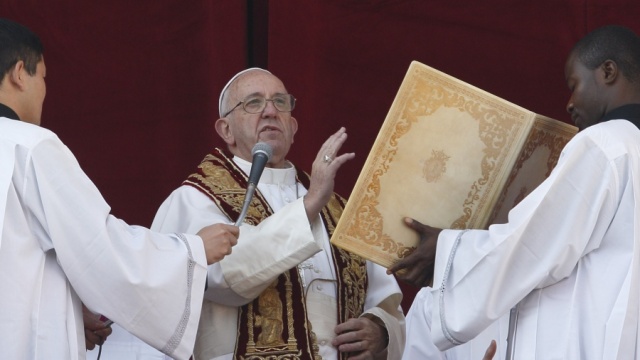
12月25日聖誕節中午,教宗方濟各,在聖伯多祿大殿的中央陽台上發表2015年聖誕文告並降福羅馬城和全世界。教宗在聖誕文告中強調:「天主誕生在何處,希望亦在那裡誕生。天主誕生在何處,和平亦在那裡誕生。」他特別念及因戰爭而受苦的人民和離鄉背井去尋找合乎尊嚴生活的移民,祈求天主賜予他們安慰與力量。

教宗在發表聖誕文告之後,向聚集在聖伯多祿廣場上來自世界各地的弟兄姐妹,以及透過廣播、電視和各種傳媒聆聽聖誕文告的各國人士祝賀聖誕。他表示,我們在這慈悲禧年中慶祝了聖誕節,願人人都能接納耶穌基督賜予的天主慈悲,仁慈地善待弟兄姐妹。如此,我們便能促進和平。

以下是教宗方濟各2015年聖誕文告全文:

親愛的弟兄姐妹,聖誕快樂!

基督為我們誕生了!在我們獲救的這一日,大家歡躍吧!

讓我們敞開心扉接納這一日的恩寵,就是耶穌自己。耶穌是從人類視野前升起的光亮「日子」。祂是天主父向人類揭示祂那無限大愛的慈悲日子。祂是驅散恐懼與焦慮之黑暗的光明日子。祂是人們可以相會、對話,尤其是和好的和平日子。祂是歡欣喜樂的日子:一個為弱小、卑微者和全民族的「大喜樂」(參:路2:10)。

在這一日,救主耶穌由童貞瑪利亞誕生了。馬槽讓我們看到天主給我們的「記號」:「一個嬰兒,裹著繈褓,躺在馬槽裏」(路2:12)。正如白冷城的牧人那樣,我們也要去看看這個記號,看看這件每年在教會中更新的大事。耶穌聖誕是在每個家庭、堂區、團體中更新的大事,以接納天主降生在耶穌基督身上的愛。教會也像瑪利亞一樣,向所有人展示天主的「記號」:瑪利亞在胎中孕育並且生產的嬰孩,卻是至高者的聖子,因為祂是「出於聖神」(瑪1:20)。為此,祂真是救主,因為祂是天主的羔羊,祂背負了世界的罪(參:若1:29)。讓我們與牧人們一起在天主羔羊前,俯伏朝拜降生成人的天主的美善,任由那懺悔的淚水滿盈我們的眼,洗滌我們的心。我們眾人都需要懺悔!

只有祂,只有祂能拯救我們。只有天主的慈悲能將人類從衍生於自私,有時極為可怕的各式各樣的邪惡中釋放出來。天主的恩寵能令人心改過遷善,為人力無法解決的情勢打開出路。

天主誕生在何處,希望亦在那裡誕生:祂帶來希望。天主誕生在何處,和平亦在那裡誕生;而在和平誕生之處,仇恨與戰爭就不再有餘地。然而,正是在天主聖子降生於世的地方,緊張與暴力卻持續不斷,和平仍是有待祈求與締造的恩典。願以色列人與巴勒斯坦人能重拾直接對話之路,且達成一個令這兩個民族得以克服衝突而和睦共處的協議。衝突使他們長期敵對,並對整個地區造成了嚴重的影響。

我們祈求上主使在聯合國達成的協議得以儘快令敍利亞境內武器的喧囂靜默,且使該國苦難人民的危急人道處境獲得彌補。關於利比亞的協議也同樣迫切需要得到所有人的支持,以使該國各方克服令國家飽受磨難的彼此間的嚴重分歧與暴力。願國際社會全體一致地把注意力投向如何終止在伊拉克、也門、非洲撒哈拉以南地帶等處的殘暴行徑,這些殘暴行徑至今仍造成無數人命的犧牲和重大的痛苦,甚至連整個民族的歷史和文化遺產也不放過。我也想到所有遭受恐怖暴力打擊的人,尤其是最近在埃及上空,在貝魯特、巴黎、巴馬科、突尼斯發生的慘劇的犧牲者。

願嬰孩耶穌賞賜世界上許許多多地區因信仰而受迫害的我們的弟兄們安慰與力量。他們是今日的殉道者。

我們祈求天主賜予親愛的剛果民主共和國、布隆迪、南蘇丹人民和平與和諧,使他們通過對話,更加通力合作,以建造一個誠心修好與彼此諒解的文明社會。

願耶穌聖誕也帶給烏克蘭真正的和平,減輕被衝突後果殃及者的痛苦,啟發人們履行已達成之協議的意願,來恢復全國的協和。

願這一日的喜樂光照哥倫比亞人民的努力,使他們滿懷希望,繼續致力於追求所渴望的和平。

天主誕生在何處,希望亦在那裡誕生,而在希望誕生之處,人們便重新有尊嚴。然而,今天仍有成群的男女不能享有人性尊嚴,他們也和嬰孩耶穌一樣,忍受寒冷、貧窮、被人拒絕的痛苦。願我們的關懷到達那些最缺乏自衛能力的人那裡,尤其是到達兒童兵、忍受暴行的婦女、販賣人口和毒品勾當的受害者那裡。

我們也要安慰所有逃避窮困或戰爭的人,他們的旅程境況經常極其不合乎人道,不時得冒生命的危險。願所有為援救和接納大量移民及難民而慷慨出力的個人和國家,獲得豐富祝福的償報。這些個人與國家協助移民和難民為自己與親人建造一個合乎尊嚴的未來,同時也協助他們融入接納他們的社會中。

在這節日上,願上主將希望賞賜給一切沒有工作的人,他們如此之多!願上主也支助所有在政治和經濟園地擔負責任的人,使他們致力於促進公益,維護每一個人的生命尊嚴。

天主誕生之處,慈悲亦興旺。那是天主賞賜我們的最寶貴的禮品,尤其是在這禧年當中,我們受召去發覺天父對我們每一個人的溫柔之愛。願天主特別賞賜監獄中服刑的人恩典,使他們得以體驗祂那痊癒傷口、克勝邪惡的慈悲之愛。

為此,在今天,我們的獲救之日,我們要一同歡躍。在默觀馬槽時,我們要定睛凝視耶穌張開的雙臂,祂向我們展示天主慈悲的擁抱。在此同時,我們也要聆聽聖嬰的哭聲正輕輕地向我們訴說:「為了我的兄弟和同伴,我要向你說:祝你平安!」(詠122:8)

來源: 梵蒂岡電台

圖片: catholicnews.com

Secured By miniOrange